
Earplugs for Sensory-Sensitive Adults: What the Data Shows
Ten earplugs tested for autistic and sensory-sensitive adults. Not just decibel ratings: canal pressure, the occlusion effect, own-voice perception, and what each one is like to live with over time.
What these reviews focus on. Most earplug reviews stop at the decibel rating on the packet. For an autistic or sensory-sensitive ear, the number on the box rarely predicts the experience: whether your own voice booms, whether the canal aches after an hour, whether the quiet helps or just feels like being cut off. Every product here was tested for those things, in the rooms where they actually matter.
Why earplug choice works differently for sensory-sensitive adults
For a lot of autistic and sensory-sensitive adults, the reason an earplug fails isn’t that it does too little. It’s that it introduces something new and intolerable: a booming voice, a pressure on the eardrum, a silence so complete it reads as alarming. The right earplug isn’t the one that blocks the most. It’s the one whose particular trade-offs match your particular sensory profile.
Three things separate the products below, and matching them to your situation matters more than price or brand: how each one seals, what it does to the sound of your own body, and how much it actually removes. A fuller breakdown sits in wax vs silicone for sensory-sensitive ears.
The occlusion effect
Seal a canal and the low-frequency sounds your own body makes, your voice, your breathing, your chewing, get trapped and amplified. Your voice booms, your footsteps thud inside your head. If you already notice internal signals more than most people do, this can be more distressing than the noise you put the plugs in to escape. It’s the single most common reason sensory-sensitive adults abandon a product that’s otherwise working. The full explanation, and which designs make it better or worse, is in the guide to the occlusion effect for sensitive ears.
Canal pressure and the piston effect
Push a sealing plug in and it can trap a column of air against the eardrum, building a pressure some ears find painful and a pop on removal. Narrower canals feel it more, which is why standard plugs have always seemed too intense for some people. More on fit in a narrow canal. Hollow and entrance-seal designs sidestep it. If pressure is what put you off earplugs, the wax vs silicone comparison sorts the designs by exactly this problem.
What the attenuation figures mean, and what they do not
A high NRR tells you a plug can block a lot in a lab. It tells you nothing about whether the quiet will feel grounding or unmooring, whether your own voice will boom, or whether the seal will ache. The strongest overall reduction in this investigation came from wax and foam, not the most expensive silicone. Maximum quiet and maximum price don’t travel together here, which is worth knowing before you spend. The full per-frequency breakdown shows exactly where each plug wins and loses across the range.”
The ten earplugs tested
Listed strongest-attenuating first. Each links to the full case file.
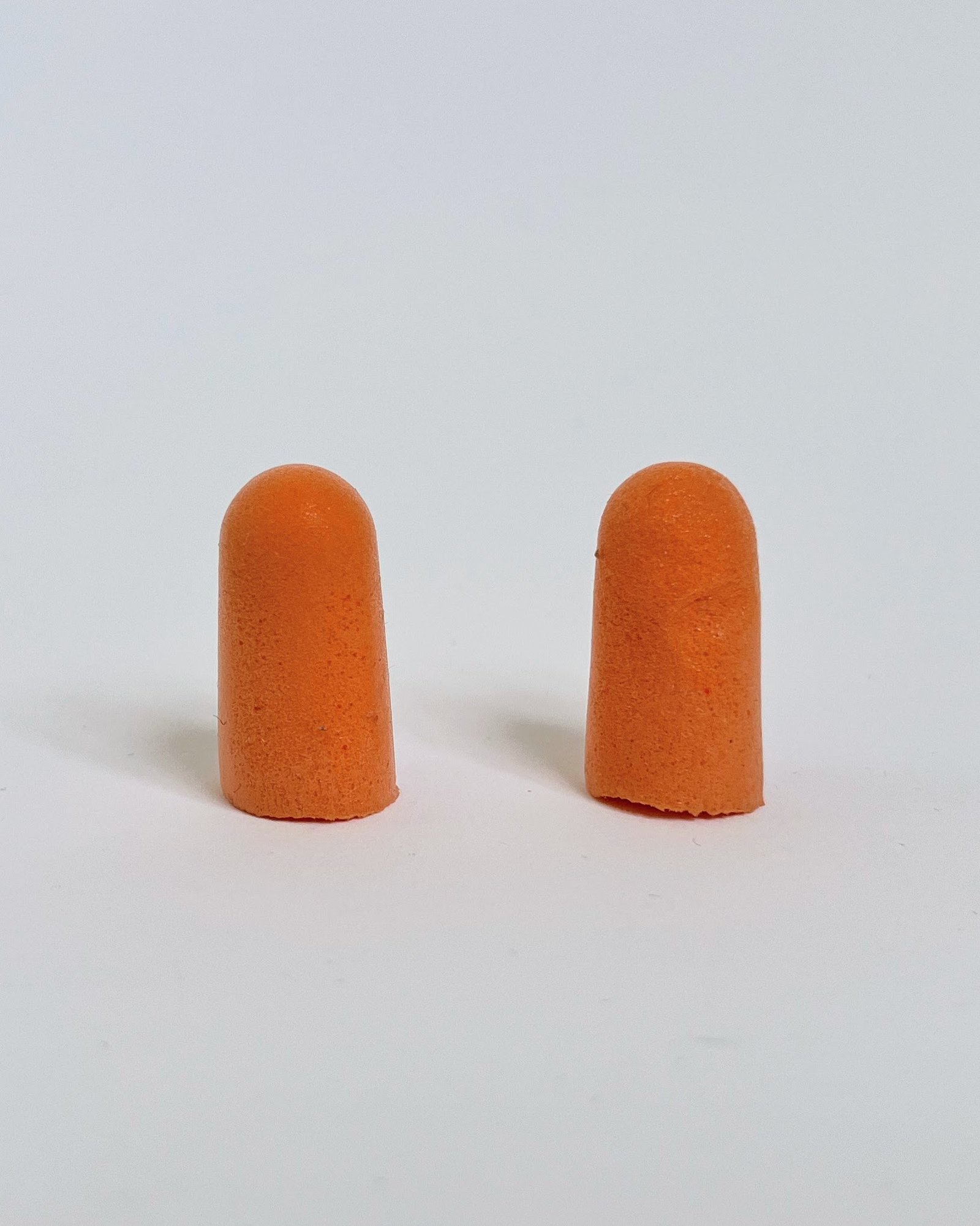 3M 1100 Foam Earplugs
Strongest attenuator tested. Chewing sounds eliminated entirely. Solo use only, speech intelligibility near zero.
3M 1100 Foam Earplugs
Strongest attenuator tested. Chewing sounds eliminated entirely. Solo use only, speech intelligibility near zero.
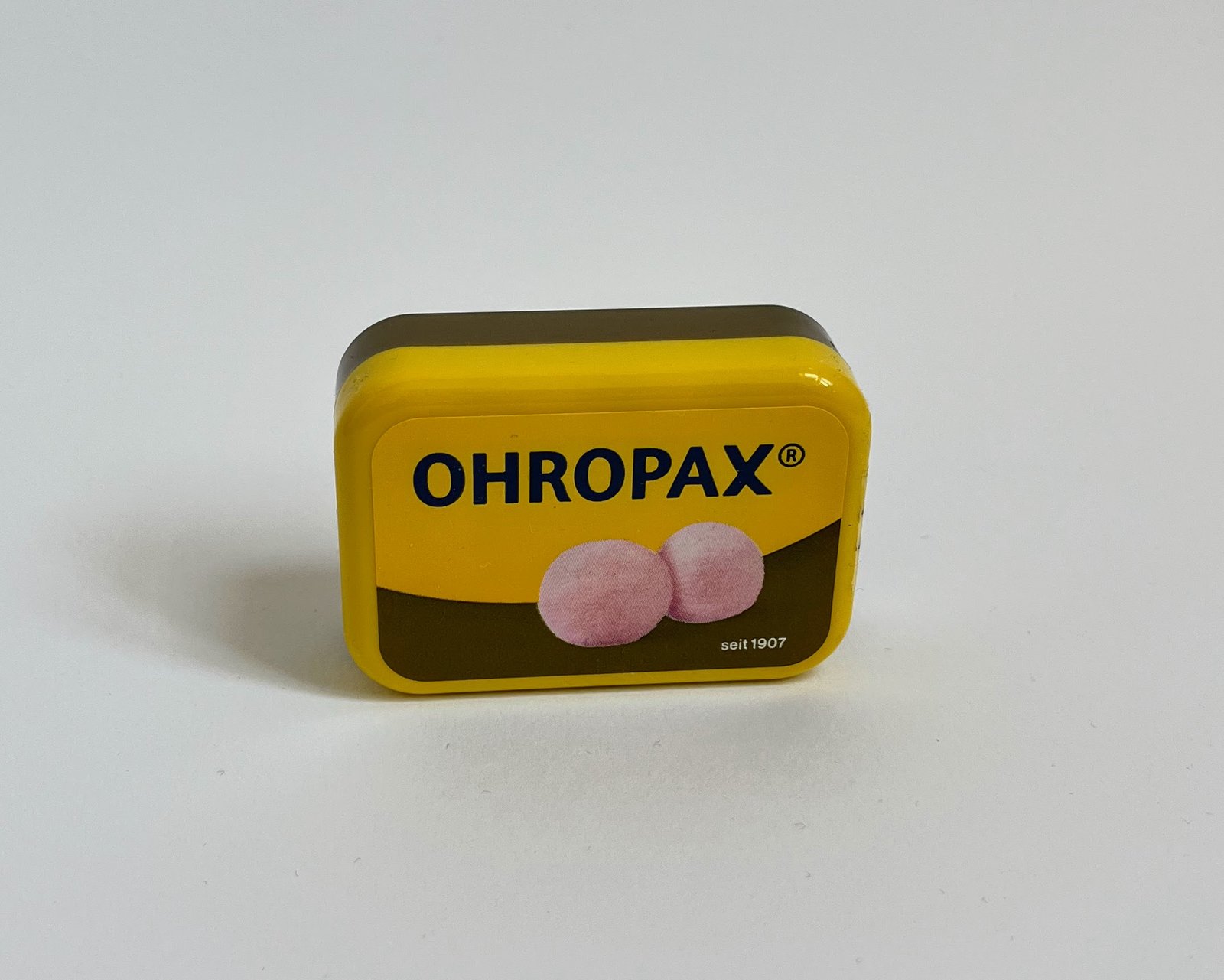 Ohropax Classic Wax
Unchanged since 1907. Higher low-frequency attenuation than Loop at a fifth of the price. Handling texture is the trade-off.
Ohropax Classic Wax
Unchanged since 1907. Higher low-frequency attenuation than Loop at a fifth of the price. Handling texture is the trade-off.
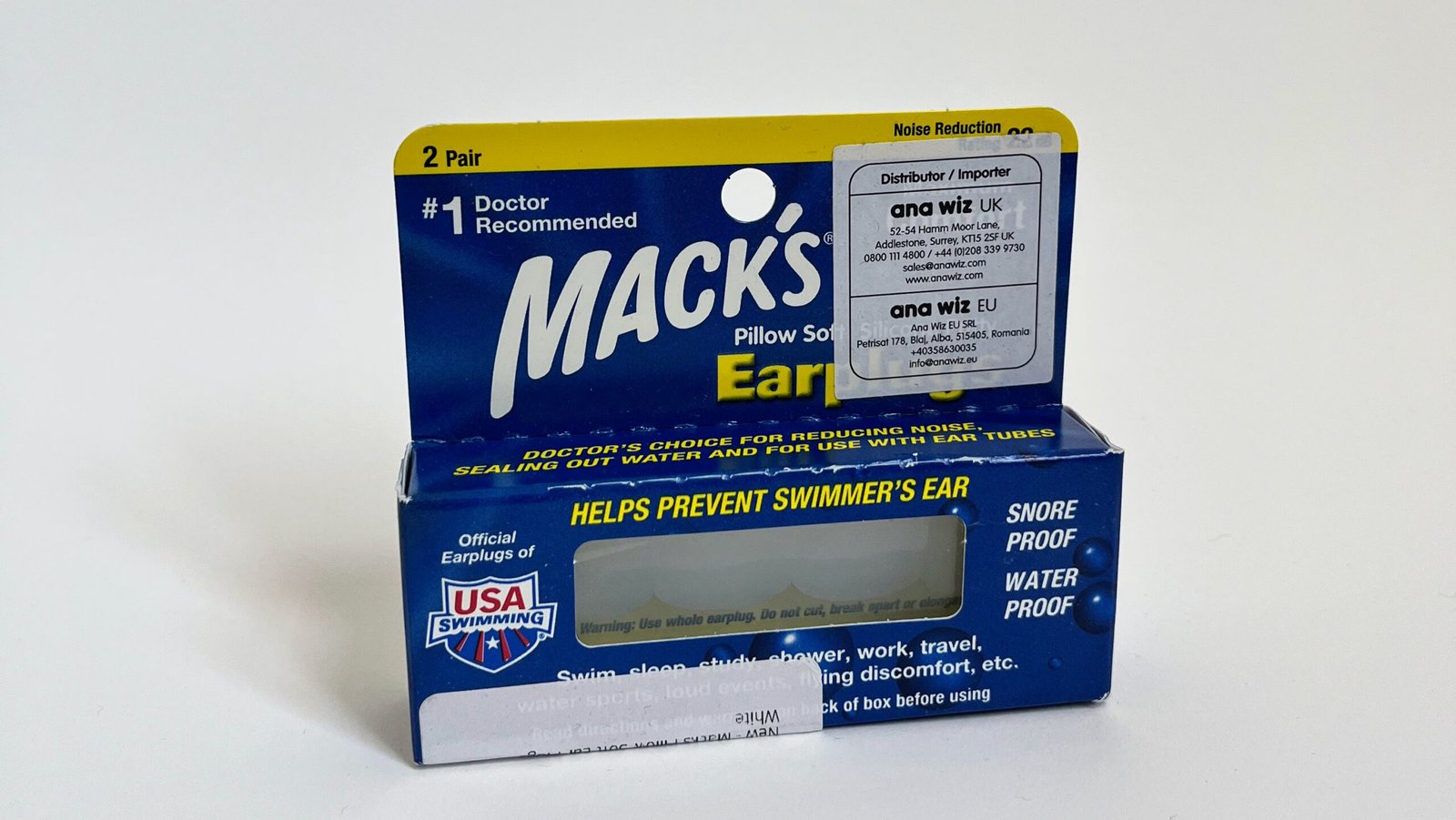 Mack’s Pillow Soft Silicone Putty
Entrance-seal putty, no canal insertion. Strong attenuation for solo environments. The finite use life is the trade-off.
Mack’s Pillow Soft Silicone Putty
Entrance-seal putty, no canal insertion. Strong attenuation for solo environments. The finite use life is the trade-off.
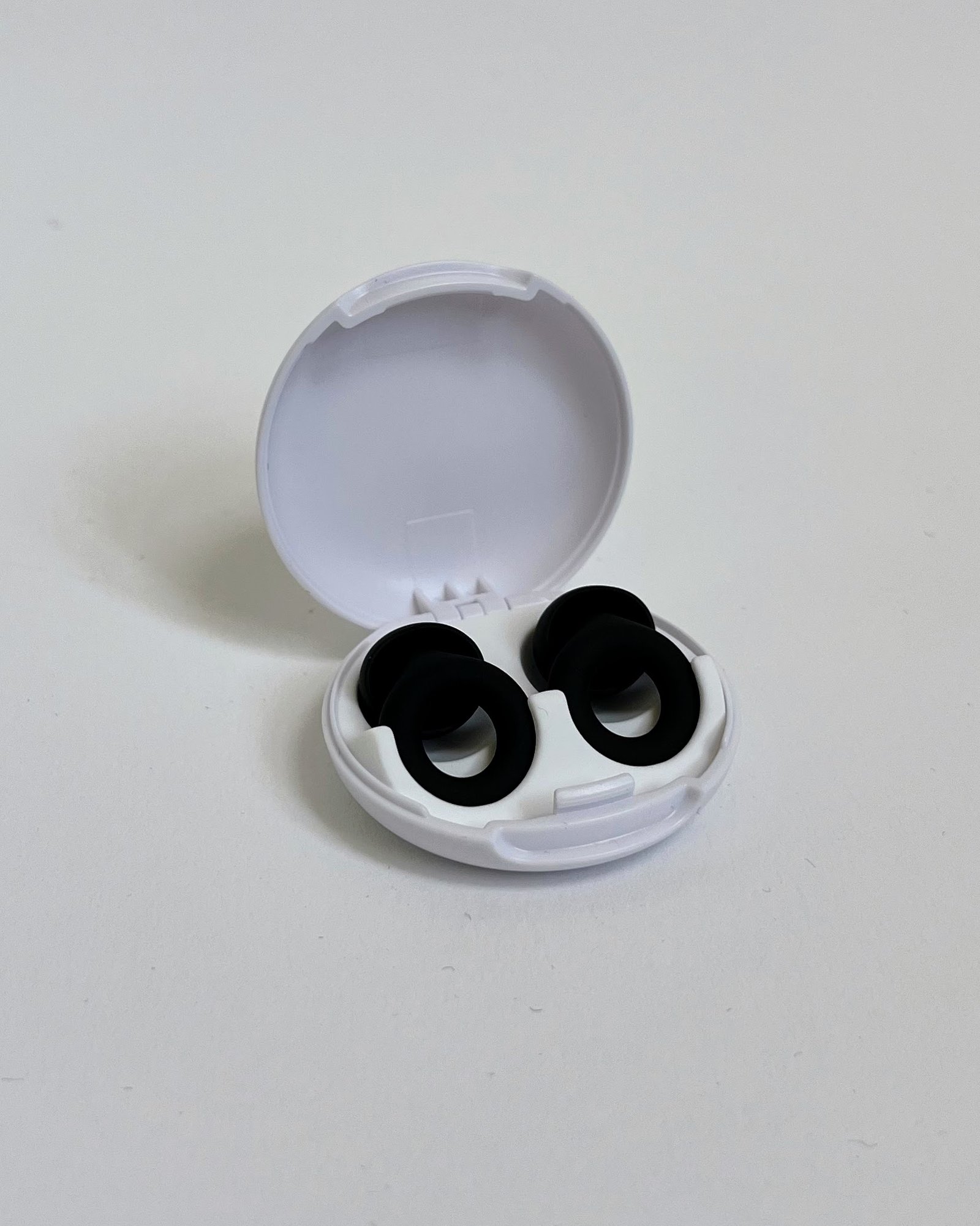 Loop Quiet 2
Good noise attenuation. The occlusion effect becomes counterproductive in quiet rooms and during conversation.
Loop Quiet 2
Good noise attenuation. The occlusion effect becomes counterproductive in quiet rooms and during conversation.
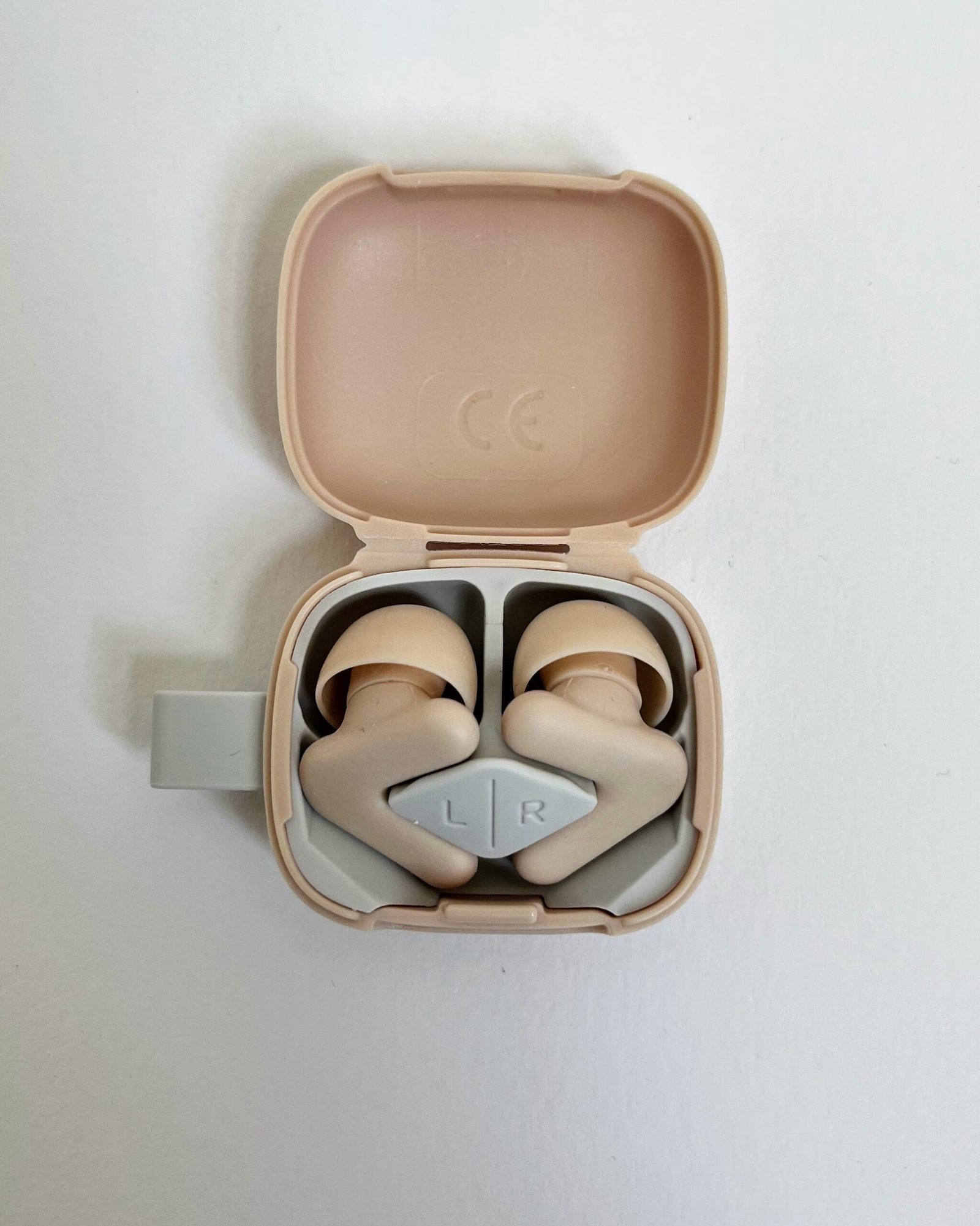 Alpine Silence
Strongest mid and high frequency attenuation of the silicones tested. The firm oval core presses more in smaller canals, and the XS runs large for its label.
Alpine Silence
Strongest mid and high frequency attenuation of the silicones tested. The firm oval core presses more in smaller canals, and the XS runs large for its label.
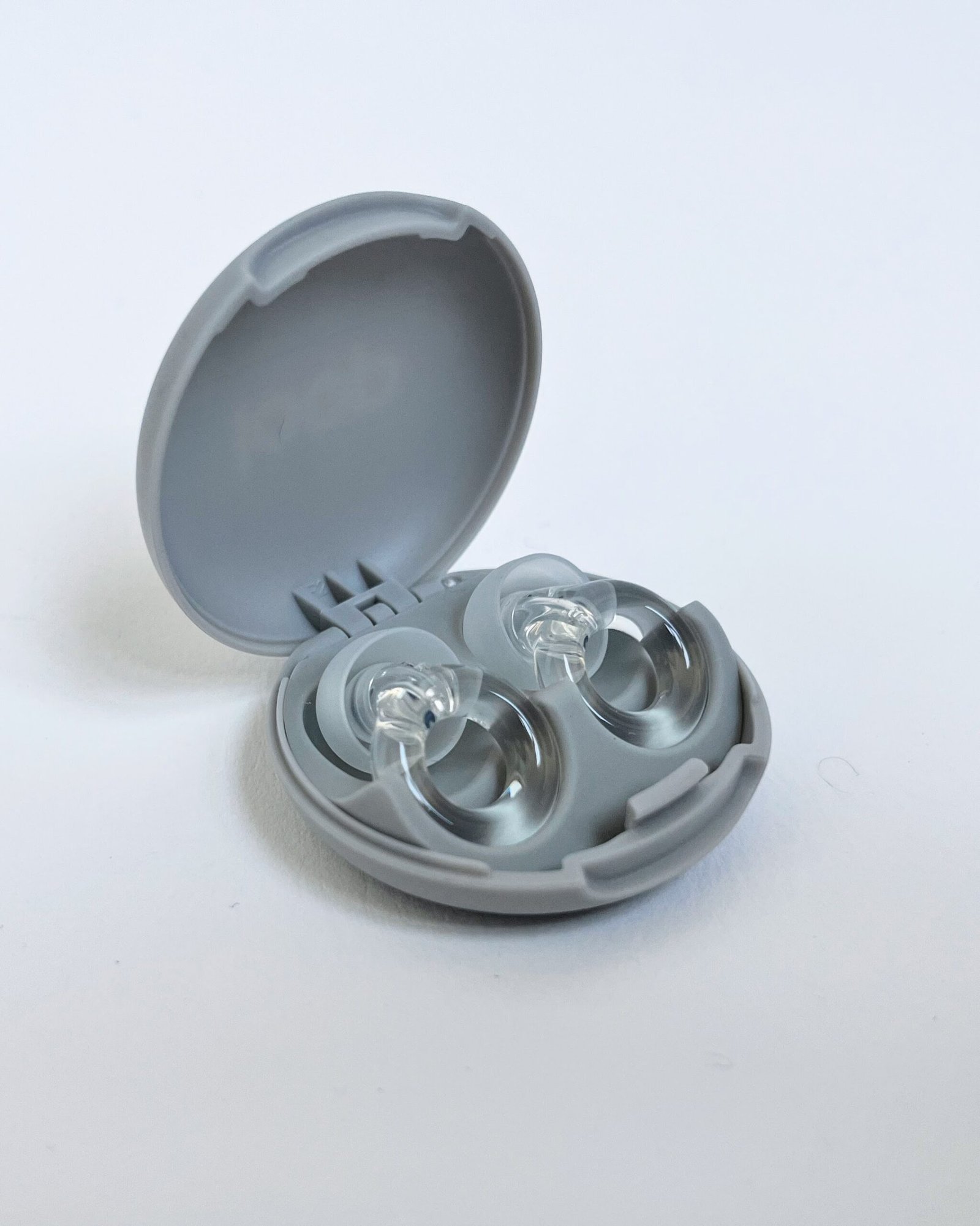 Loop Engage
Hollow filter removes the piston pressure on insertion. Best for social settings and conferences. Lets most eating-sound frequencies through.
Loop Engage
Hollow filter removes the piston pressure on insertion. Best for social settings and conferences. Lets most eating-sound frequencies through.
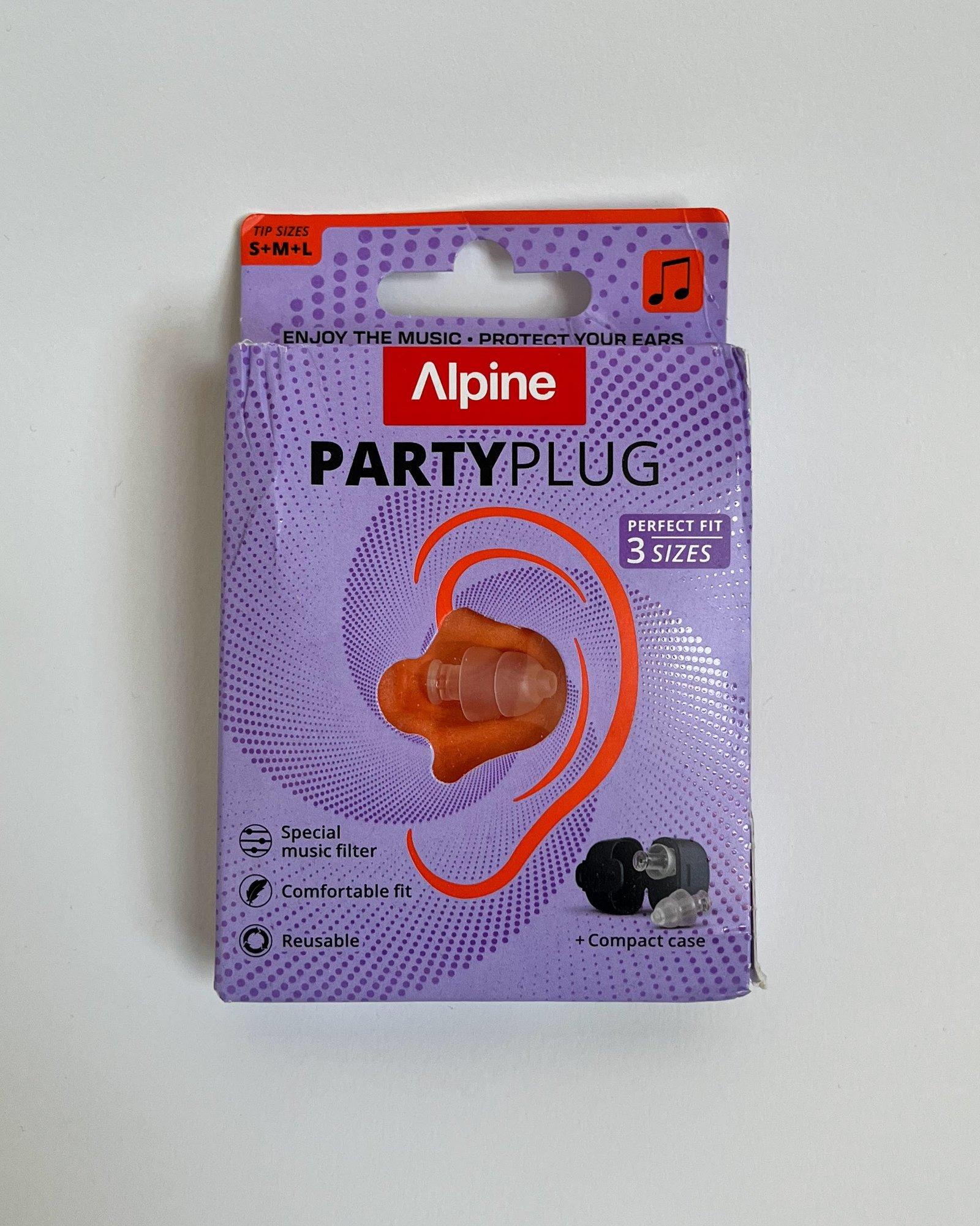 Alpine PartyPlug
Concert plug tested laterally. Outperforms the misophonia-marketed products in social eating environments. Speech stays intelligible.
Alpine PartyPlug
Concert plug tested laterally. Outperforms the misophonia-marketed products in social eating environments. Speech stays intelligible.
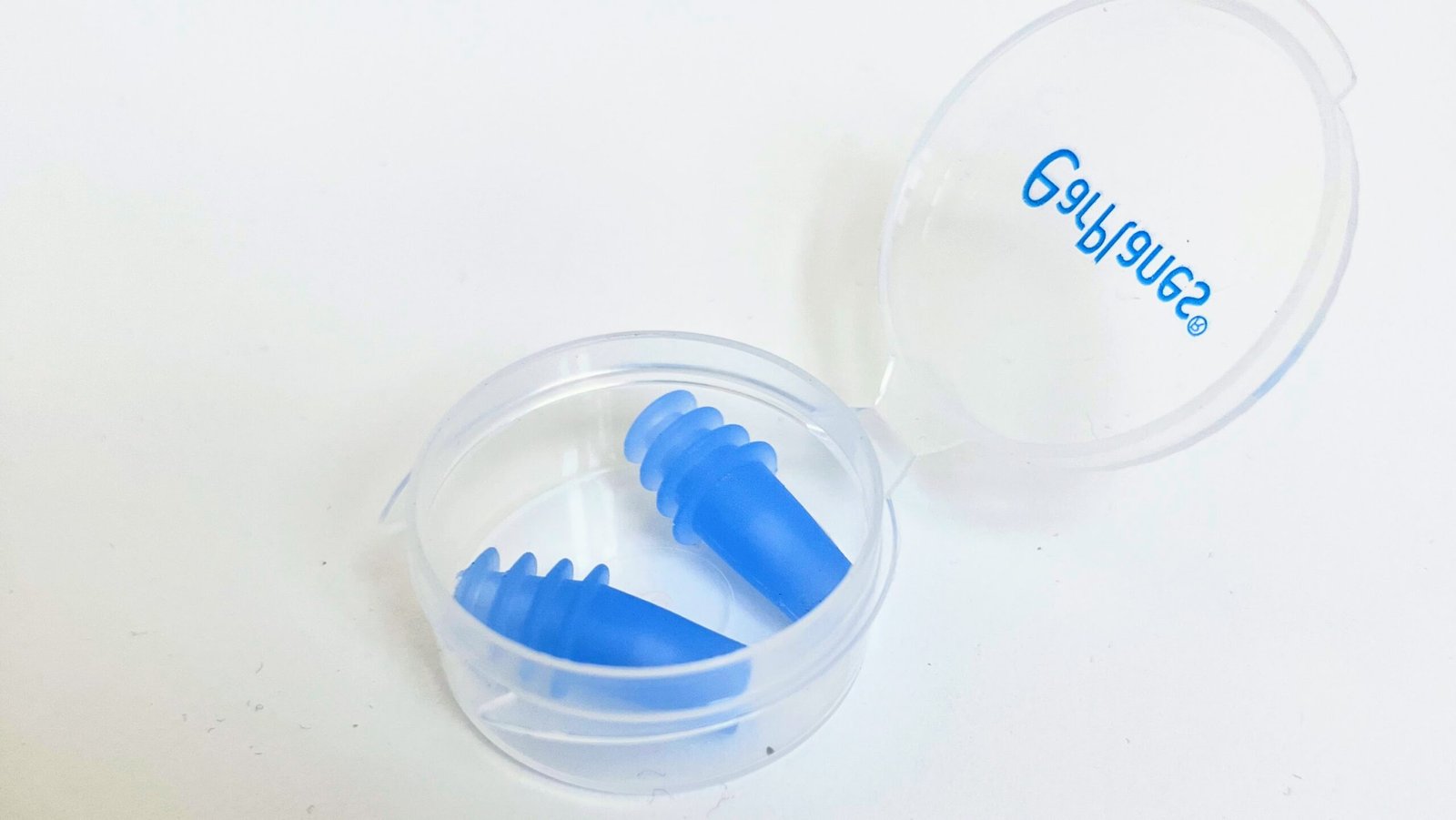 EarPlanes
Pressure-regulating design for air travel, tested across other environments. A specific use case with limited general application.
EarPlanes
Pressure-regulating design for air travel, tested across other environments. A specific use case with limited general application.
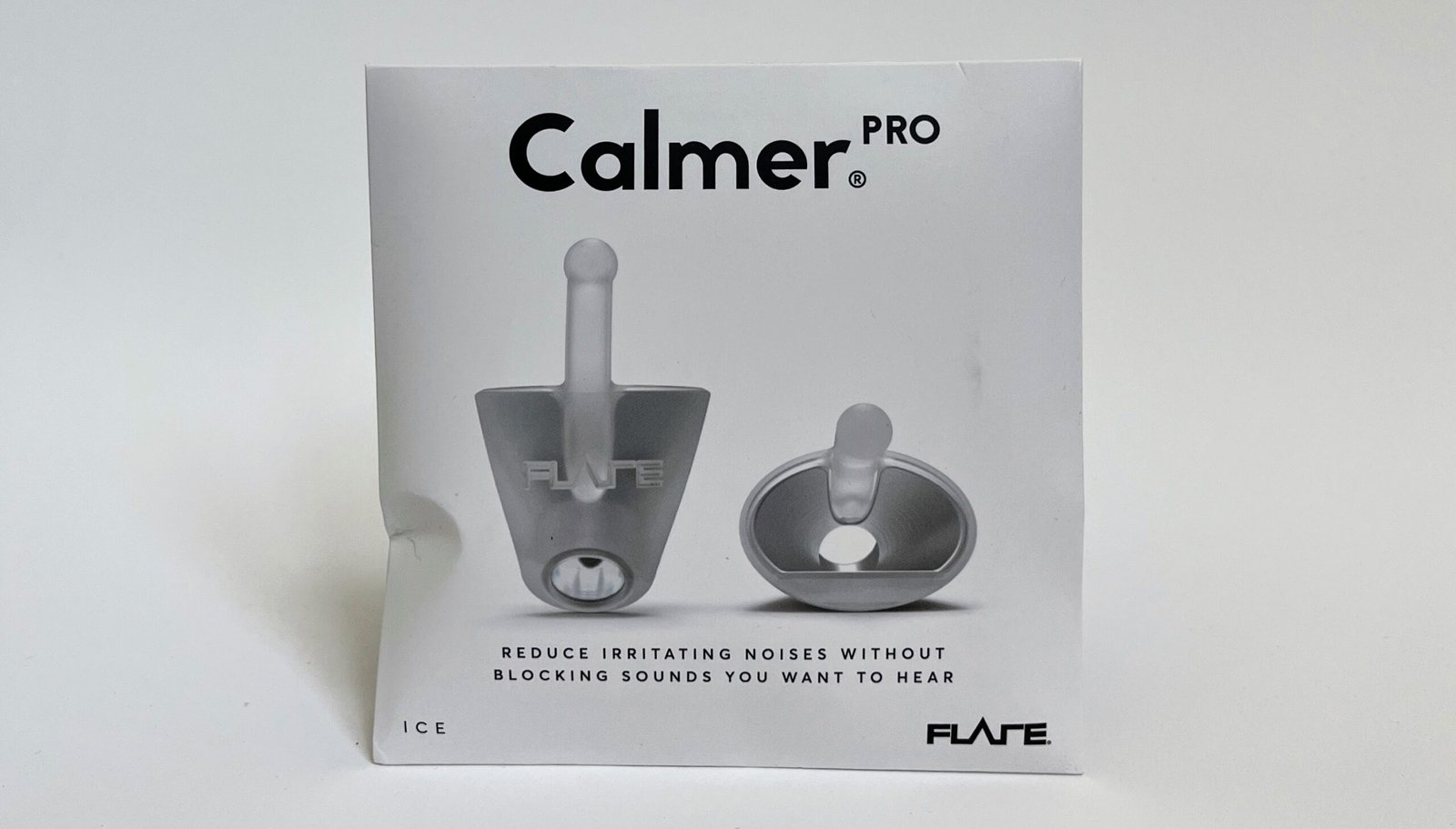 Flare Calmer Pro Mini
Premium version of the Calmer. Trades attenuation for near-zero occlusion. The same limitation applies.
Flare Calmer Pro Mini
Premium version of the Calmer. Trades attenuation for near-zero occlusion. The same limitation applies.
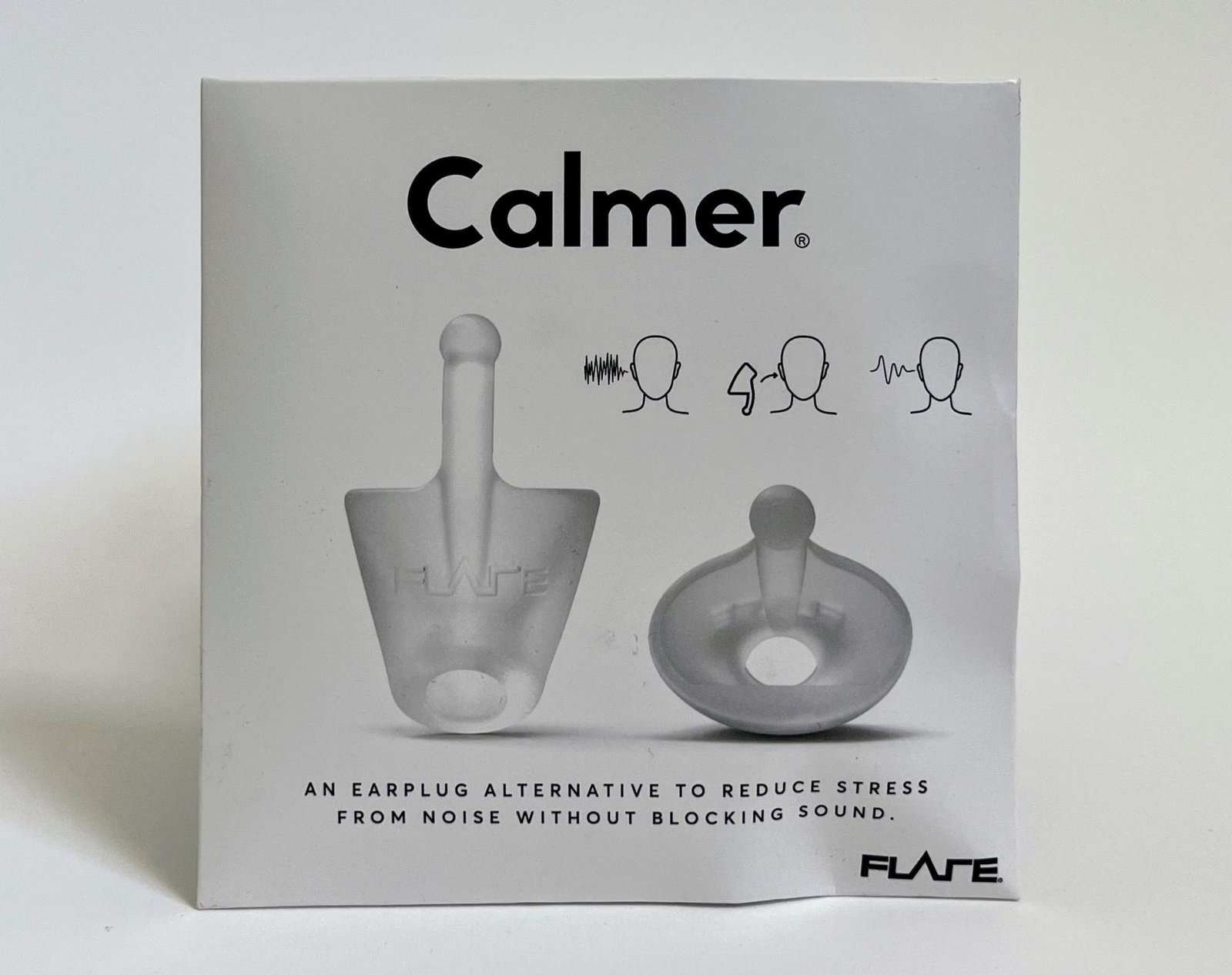 Flare Calmer
A resonance modifier, not an attenuator. No seal, and the lowest occlusion tested. For people who cannot tolerate any sealing product.
Flare Calmer
A resonance modifier, not an attenuator. No seal, and the lowest occlusion tested. For people who cannot tolerate any sealing product.
Not sure where to start?
This page is the index. Where you go next depends on how you’re choosing. To choose by the place that overwhelms you, the home office, the commute, the supermarket, start with earplugs for sensory overload, which sorts the set by environment. To choose by the problem itself: earplugs for misophonia for trigger sounds, earplugs for autistic shutdown and meltdown for the moments that matter most, or earplugs for small ear canals if plugs won’t seat or keep falling out. And to choose by the exact sound, the full tone-by-tone frequency comparison shows what each plug blocks from a 75 Hz rumble to a 15 kHz whine. If plugs won’t seat or keep falling out, start with earplugs for small ear canals.