
No sponsorship, no freebies. Links here earn a small commission at no extra cost to you, which keeps the investigations independent. More info
Earplug Investigation · Comparison
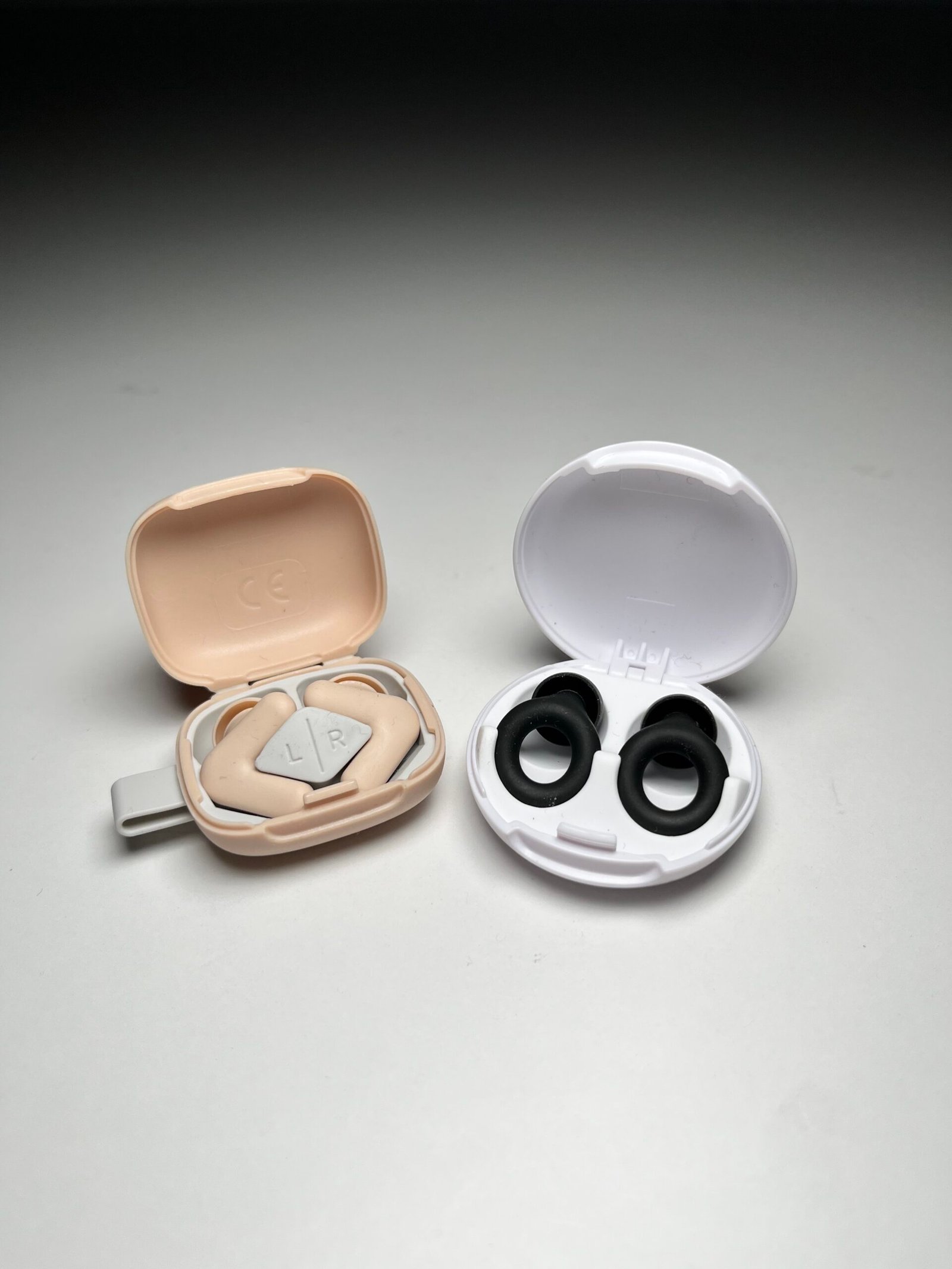
Loop Quiet 2 vs Alpine Silence
Same category, same price, different seal geometry. They provide different levels of sound attenuation and feel noticeably different after 30 minutes. Each suits a different environment in subtle ways…
Charlie N. Autistic, with a smaller-than-average ear canal. The earplug investigation has logged over 200 hours of lab and field testing across ten products. Testing methodology.
Loop Quiet 2 or Alpine Silence?
Buy Loop Quiet 2 if you want one earplug for everything. It inserts more easily, holds a steady pressure across a long session, takes out half the bass rumble that traffic and air conditioning put into a room, and forgives a day of going in and out. Buy Alpine Silence if the bus and the supermarket are the problem. It attenuates the mid-range where engine noise and voices actually live, and lowers a room evenly instead of stripping out the bottom and leaving the sharp sounds standing. Neither solves misophonia. Neither survives a restaurant. Similar price, so the question isn’t which is better. It’s which room you’re trying to escape.
Head to head comparison
On the face of it, both are reusable earplugs at a similar price point that seal the ear canal with a flanged silicone tip. The devil is in the detail of the design.
Loop Quiet 2
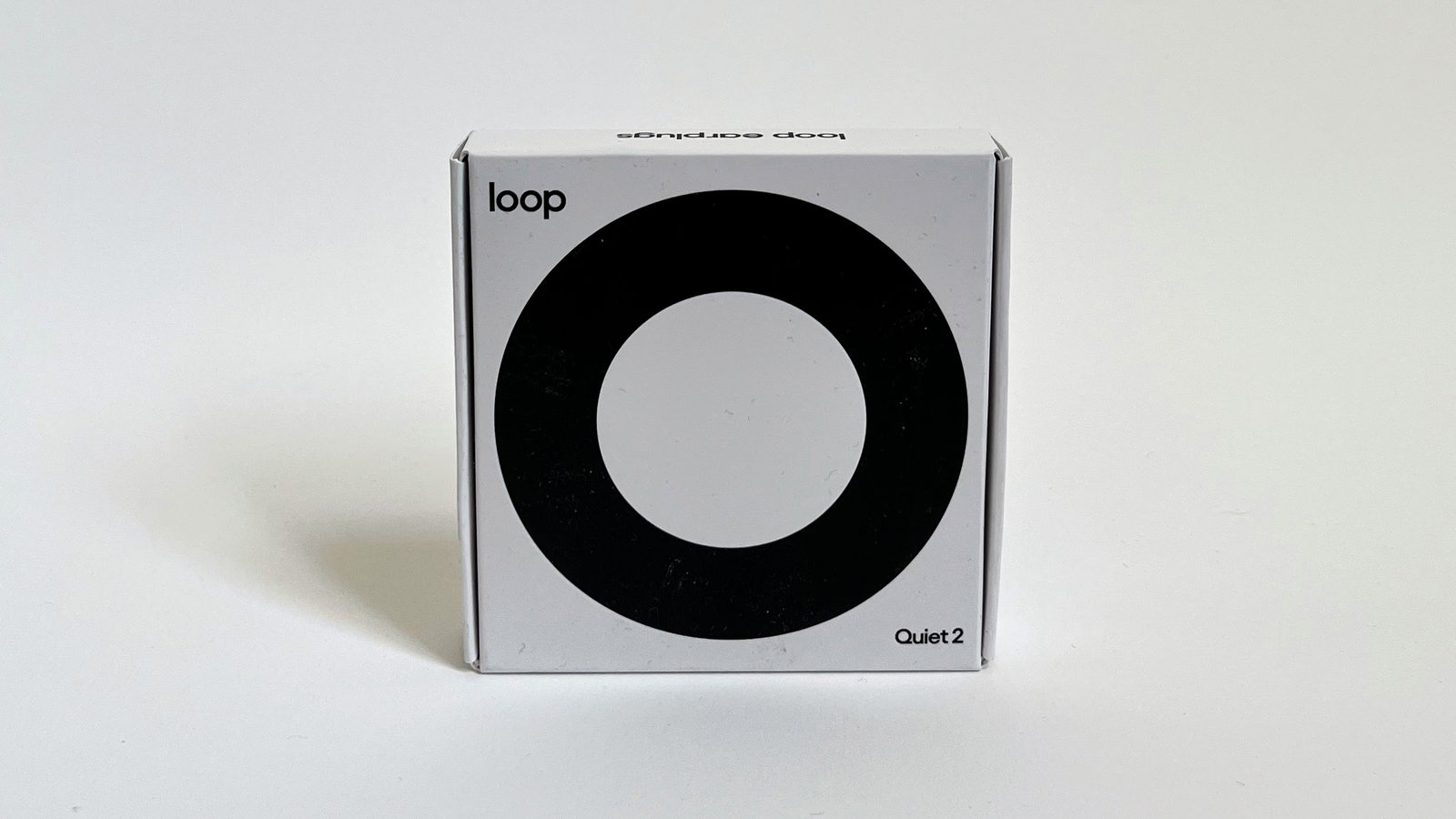
A silicone tip on a hard plastic loop stem. The matte finish is dry to the touch and slides in without resistance once you have found the right size (4 sizes). The round matte travel case is one of the better ones tested.
Insertion requires practice. Piston pressure on the eardrum is present on insertion if you push straight rather than with a slight twist – this can be fairly painful. The first few uses involve working out whether the seal is correct. Note a reported risk of the tip detaching inside the canal: with customer services confirming a likely faulty unit.
Alpine Silence
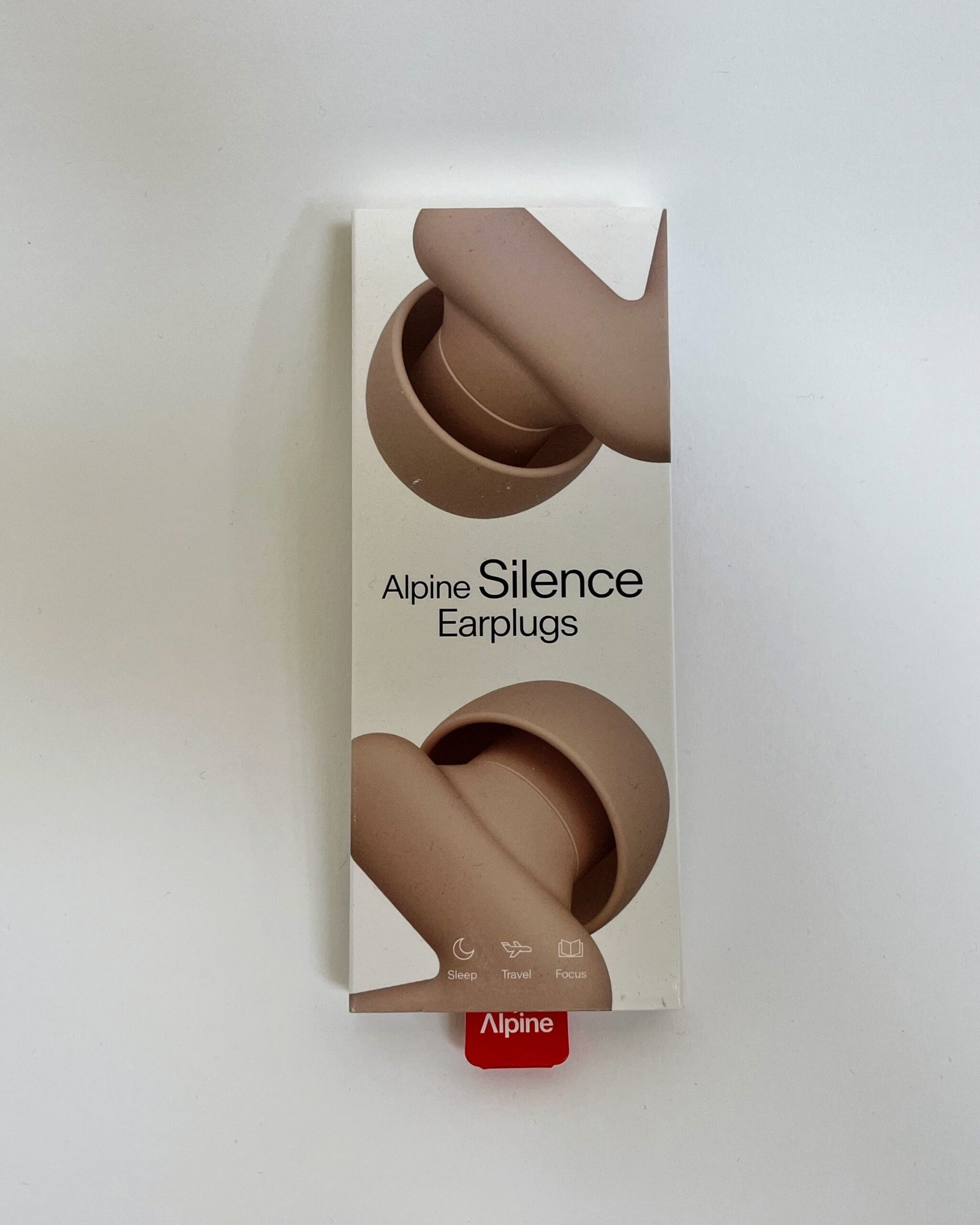
A harder oval core with a silicone tip and a V-shaped “V” stem that sits comfortably snug against the outer ear. Four sizes including XS. The V-shape stem makes the plug feel more securely seated than Loop’s circular stem. It also brings to mind the Vulcan salute, which is either appealing or not (depends if you go Star Trek or Star Wars, really); at least it means you never forget which way round it goes.
The Alpine’s oval core is a trade-off. Once inside a smaller canal it exerts more direct lateral pressure than Loop’s cylindrical tip. The tip feels more securely attached than Loop’s, which reduces the detachment anxiety. Removal requires a gentle twist to avoid a suction pop.
The headline numbers look close: SNR 24 vs 22, NRR 14 vs 16. After the HSE’s recommended 4dB real-world derating, you’re comparing approximately 20dB against 18dB. Not a large gap on paper. Our BOST tone test data tells another story…
Noise blocking: what the data shows
The frequency attenuation table below shows how much of each frequency (‘test tone’) passed through each earplug, as a percentage of the original signal. Lower numbers mean stronger attenuation. Nine tones tested from 75Hz to 15kHz. Method: NAD C320 amplifier, B&W S601 speakers, 33% volume.
| Frequency | What it represents | Loop Quiet 2 | Alpine Silence | Winner |
|---|---|---|---|---|
| 75 Hz | Lowest vibe engine noise / HVAC low end | 50% | 75% | Loop Quiet 2 |
| 125 Hz | Traffic rumble, HVAC mid-low end | 50% | 75% | Loop Quiet 2 |
| 250 Hz | Bus engine, fridge hum | 50% | 66% | Loop Quiet 2 |
| 500 Hz | Chewing low end, voice fundamentals | 50% | 50% | Equal |
| 1 kHz | Human speech centre | 50% | 33% | Alpine Silence |
| 2 kHz | Digital beeps, a key ND irritant range | 33% | 33% | Equal |
| 4 kHz | Hissing kettle, silverware, high beeps | 20% | 25% | Loop Quiet 2 |
| 8 kHz | Sibilance, sharpness | 75% | 50% | Alpine Silence |
| 15 kHz † | Upper edge of hearing, sharp squeal-hiss | 1% | 0% | Effectively equal |
† 15kHz measured via iPhone speaker at 6 inches; not directly comparable to the NAD/B&W measurements above. Both figures approach complete attenuation.
The investigation revealed a picture more complicated than the SNR numbers suggest. Loop Quiet 2 is meaningfully better in the lower frequencies (75 to 250Hz): half as much bass rumble passes through. Alpine Silence wins in the mid-upper range: it attenuates 1kHz speech frequencies more effectively and handles the 8kHz sibilance band better. Both reach roughly the same result at 500Hz and 2kHz.
This explains the real-world test commuting on a bus. Riding on the upper deck, Alpine Silence cut engine noise more than the frequency test predicted, because bus engines carry a larger mid-range component than their low-frequency rumble would suggest. Loop Quiet 2’s stronger low-end reduction does less work there than it might in a quieter indoors enviroment.
The 8kHz gap is also worth highlighting: Loop Quiet 2 lets 75% of sibilant sound through, against Alpine Silence’s 50%. For listeners who find high-frequency sharpness particularly irritating, that difference in voiced consonants and hissing sounds is perceptible.
The hidden difference
Both earplugs seal the ear canal and produce occlusion (your own voice, breathing, and chewing amplified). The occlusion effect guide covers the mechanism in full, including why this is an issue for autistic and sound sensitive listeners: sealing the ear traps bone-conducted internal sound that would otherwise escape freely.
Loop occlusion is worse that Alpine: your own breathing is intrusive in quiet environments; footsteps are noticeable. Heartbeat was absent across testing. Also, Loop Quiet 2 builds a gradual pressure inside the ear that feels like mild altitude change in an airplane. It’s noticeable by the fifteen-minute mark (rated 3 out of 5 in the quiet room test). It’s flexible stem is a positive: this adjusts to your personal ear canal shape when the tip is inserted rather than pressing against the sides with a fixed shape.
Interestingly, Alpine Silence creates less of that air-pressure-in-the-ear sensation than Loop – worth noting if you are bothered by ear air pressure. But the harder, less compliant core means more surface pressure inside a narrower canal, and more pronounced “piston” effect pressure on your ear drum when inserting. Repeated insertion and removal across a day was described in the lab notes as irritating specifically because of this. More on which tips seat in a narrow canal in the small-canal comparison.
Earplug testing in 6 real world environments
Both products were tested in identical conditions. This table shows a headline verdict for each with descriptions below the table. Cleared / Caution / Flagged scores with “Edge” indicating a meaningful advantage.
| Environment | Loop Quiet 2 | Alpine Silence |
|---|---|---|
| Quiet room | Caution | Caution |
| Home office with appliances | Cleared | Cleared |
| Commute on a bus | Cleared | Cleared edge |
| Supermarket | Caution | Cleared |
| Open-plan office | Caution | Caution |
| Restaurant / café | Flagged | Flagged |
Quiet room
Both were unsuccessful here. With no external noise for balance, the occlusion effect dominates, robbing your focus. As noted above, the Alpine produced fractionally less occlusion, but the truth is that neither product is useful for quiet reading or focused work in silence. Maybe this was an obvious conclusion without testing but BOST does its rigor rigorously…
Home office with appliances
Loop Quiet 2 cuts the kettle by around 80%, removing both the low rumble and upper hiss, leaving a mid-range woosh. The extractor fan is reduced to a single soft note. A washing machine spin cycle was cut by about 75%. Alpine Silence performs similarly or slightly stronger here, with the testing notes describing 95% reduction of background hum of the room and “very little left to hear” from the kettle. Both are useful tools for sensory management at home. Alpine Silence has the edge in the quietest domestic settings – ideal for those lucky (or unfortunate) enough to WAH.
Commute / bus
Alpine Silence performed better than expected, given that its tone test data showed weaker low-frequency attenuation. The journey revealed that the bus engine sound carries a significant mid-range component, and it’s the mid-range where Alpine Silence is stronger. Engine noise was cut more than half; fan hiss was heavily attenuated; sibilant sounds from nearby passengers chatting were reduced. Loop Quiet 2 reduces the bus but leaves more residual texture, including occlusion interacting with the low-frequency vibration felt through the seat and floor. While both models are genuinely useful for a commute, Alpine Silence had the edge.
Best on the bus: Alpine Silence
Silence delivers its promises on the bus journey
Supermarket
The environment which revealed a real gap between them. Loop Quiet 2 removed the low and mid background layer of in-store noise which left high-frequency sounds more prominent. This means your annoying fellow shoppers become slightly more annoying. There was also disorienting new effect: plastic bags sounded like they were crinkling loudly in every direction simultaneously, due to the lower range sounds being filtered out. Alpine Silence reduced the environment more uniformly, keeping the acoustic balance intact while lowering the overall level. Children’s voices were mercifully softened; PA announcements were 30% quieter. The supermarket became half as stressful, noise-wise. While Loop Quiet 2 was better than no ear defence at all, Alpine Silence was a clear winner.
Best in the supermarket: Alpine Silence
The most revealing stage of the investigation.
Open-plan office
Neither plug removed colleagues’ yapping, sadly. Worse, as happened in the supermarket, both earplugs removed background masking noises such as air conditioning hum, causing the annoying neighbour’s jokes to sound even more bothersome. Background noise provides cognitive cover for unwanted speech, and removing it increases rather than decreases the intrusiveness. Loop Quiet 2 reduces HVAC hum to a soft woosh; keyboard clicks are audible but quieter. Alpine Silence attenuates the HVAC hum more, reducing it to a higher “D” pitch without buzzing. Alpine Silence also reduces desk eating sounds by around 50%, with less crisp crunch and wet eating noise. Over an extended wear session Alpine Silence creates slightly more pressure than Loop Quiet 2 which is worth noting if you are a pressure-sensitive user. However, neither is right for a working day that involves regular conversation because you really have to remove them to hold up your side of things. See Loop Engage or the Loop Quiet 2 vs Loop Engage comparison for the speech-permissive alternative.
Restaurant / café
Both are rated Flagged for this environment, and for the same reason: misophonia. Eating sounds from nearby tables are softened but not eliminated. Conversation with a companion becomes difficult: Loop Quiet 2 makes speech reduced but intelligible across a table; Alpine Silence makes speech too muffled in a noisy room to follow words clearly. The deciding factor for the ‘flagged’ rating was occlusion: own chewing sounds were doubly magnified, your own voice booms in your head, and the combination makes a social meal with these in worse than wearing nothing. Loop Quiet 2 is slightly more useful for solo café use due to its lower range quieting, but neither is an option for dining with company.
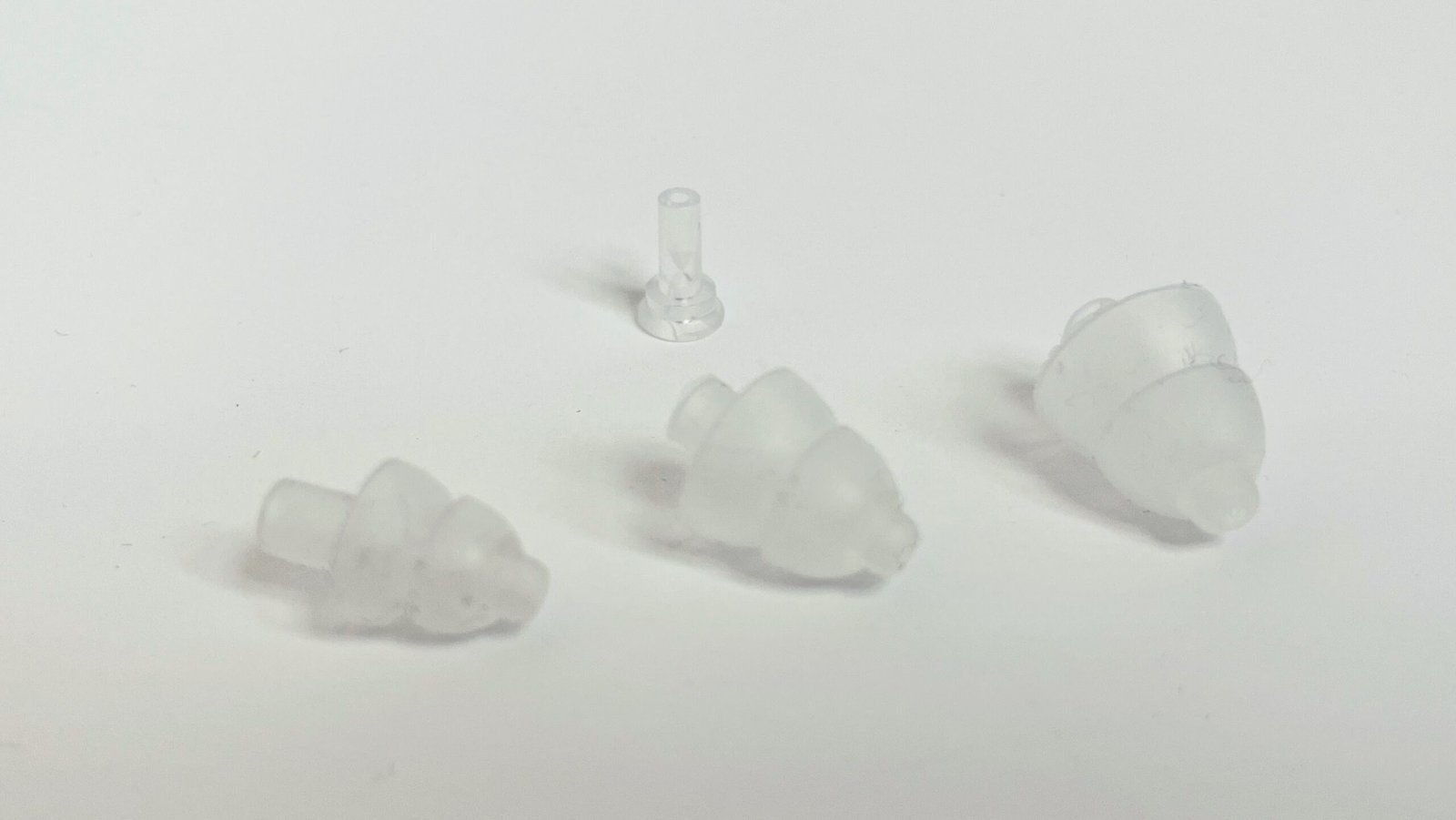
BOST recommends The Alpine PartyPlug for when you need to dine with company and keep speech intelligible, while still reducing the cafe noise by roughly half. As such, it was the only silicone plug in the investigation to earn a Cleared verdict in this environment.
✓ Cleared, all six environments
The best all-round silicone earplug in the investigation. Speech stays clear; the room drops by half. No piston effect.
Read the case file →Marketing claims examined
Taken from packaging and marketing copy, tested against the investigation findings.
| Claim area | Loop Quiet 2 | Alpine Silence | Finding |
|---|---|---|---|
| Noise reduction | “24dB SNR noise reduction” | “Damping up to 22dB” |
Both hold Neither figure was instrument-verified, but testing in the lab placed these two devices among the strongest silicone attenuators tested (though less strong than wax and foam earplugs). Real-world estimates after HSE 4dB derating: Loop Quiet 2 ~20dB, Alpine Silence ~18dB. The gap is real but smaller than the packaging suggests. |
| Comfort | “Ultra-Comfy Reusable Earplugs” | “Optimal wearing comfort during prolonged use” |
Both partial Loop Quiet 2 builds to a noticeable 3 out of 5 in-ear pressure score by 15 minutes, stable thereafter. Alpine Silence creates more physical pressure from the oval core, rated slightly more uncomfortable at sixty minutes of desk wear. Both were irritating when repeatedly inserting and removing, more so with Alpine Silence due to the piston effect. Neither earns “comfy” without some qualification. |
| Fit | “Customizable fit, 4 tip sizes” | “4 sizes XS/S/M/L, there’s always a size that fits you” |
Both hold XS was the correct size for this reviewer’s smaller-than-average canal in both cases. Alpine Silence’s XS runs slightly larger than Loop’s equivalent, so wearers at the smallest end of the range should note that the XS label does not describe the same size across brands. The four-size range is useful for both. |
| Focus / travel | “Noise-reducing for sleep, deep focus, travel” | “Reduce ambient sounds, less easily distracted” |
Both partial Travel “holds” for both: the commute performance each product’s strongest test result. However, focus is not achieved in genuinely noisy environments: removing background masking increases the relative salience of remaining speech, which can be more distracting than the background it replaced. In a semi-noisy home office both were useful. Sleep was not tested. |
Sensory axes: how each product scores
BOST reviews eight sensory dimensions. Below is how each product performed on the axes most relevant to this comparison. Full axis-by-axis findings are in the individual Case Files.
Loop Quiet 2: stronger at low frequencies. Alpine Silence: stronger mid-to-upper.
Loop Quiet 2 attenuates the 75 to 250Hz range more effectively (50% vs 75% passed through for Alpine Silence). Alpine Silence leads at 1kHz speech frequencies and 8kHz sibilance. In environments dominated by traffic rumble and HVAC hum, Loop Quiet 2 has the acoustic edge. In environments with voices, cutlery, and high-pitched beeps, Alpine Silence is more useful.
Internal ear pressure observed for both: caution
Loop Quiet 2 produces an air-pressure sensation that feels like mild altitude change, rated 3 out of 5 at both fifteen and thirty minutes, stable rather than building. Alpine Silence produces more direct lateral pressure from the oval core on canal walls. Neither is free of pressure; the type differs. For wearers who find air pressure more tolerable than physical contact pressure, Loop Quiet 2 may be preferable. For those who find air pressure more distressing, Alpine Silence may be the better option. If pressure is an issue for you, neither of these is the right solution. See below for alternatives.
Both: caution. Own-voice and breathing amplified.
For interoception-sensitive listeners who find internal body noise the hardest dimension to manage, neither product is well-suited to quiet environments. Loop Quiet 2: own-voice described as “hollow boomy” with strong humming vibration. Breathing intrusive, especially while walking or moving. Footsteps noticeable. Heartbeat absent. Own chewing doubly magnified. Alpine Silence: same own-voice profile. Breathing noticeable but slightly less intrusive in the quiet room stage. Footsteps faint rather than noticeable.
Loop Quiet 2: matte, dry, easier insertion. Loop Quiet 2’s matte silicone finish is dry and slides in without resistance once sized correctly. The round travel case and dry surface feel clean and pleasant.
Alpine Silence: snug outer cradle, more lateral canal contact. Alpine Silence’s matte finish is similar to Loop, though the tan colourway selected was noted as resembling a poor-quality prosthetic. The outer cradle design means more contact area against the outer ear, which the reviewer found more comfortable than Loop’s round stem.
Both: cleared. Silicone stays clean.
Loop Quiet 2 in black: earwax does not show. Dry and clean after removal. No cleaning required beyond an occasional tissue wipe; tip removal allows thorough cleaning when needed. Alpine Silence in tan: wax could show, and the shiny tip surface looks like it might be waxy even when clean, which the testing notes found less reassuring than Loop’s matte finish. Neither product was found hygienically compromised after a dozen uses.
Both: broadly fine in public. Neither works well for conversation.
Loop Quiet 2’s loop stem looks like a standard earbud from a distance: no self-consciousness reported in a supermarket or on the bus. Short exchanges are manageable; longer conversation requires removal. Alpine Silence sits snugly with minimal protrusion and was described as fine in public professional settings, though a few mirror-checks were required to reassure it does not too closely resemble an weirdly designed hearing aid. The V-shaped outer cradle is more visible than Loop’s loop on close inspection, but not in a way that drew comment. Both products make sustained conversation impractical due to occlusion, which means one earplug typically comes out at a checkout, adding an executive function step to an already demanding transaction.
Misophonia note
Neither earplug resolves misophonia triggers. External eating sounds are softened but not eliminated: silverware clatter and chewing noises were described as “reduced but audible, less intrusive” with both products in restaurant testing. The fundamental problem is the occlusion effect: sealing the canal amplifies bone-conducted internal sound, so your own chewing comes back louder precisely when you have reduced the external sounds you were hoping to escape. The result is usually a trade-off rather than a solution.
Alpine Silence reduced desk eating sounds in the office stage by around 50%. Loop Quiet 2 reduced them by a smaller margin. Neither reached a level that would meaningfully interrupt a misophonia trigger. For a full data breakdown across all ten products tested at eating-sound frequencies, see best earplugs for misophonia: what the data says.
Verdict
Buy Alpine Silence for moderately noisy spaces and commuting
Stronger mid-to-upper attenuation, a more stable seal, and a more uniform reduction that keeps a noisier room coherent instead of hollowing it out. It did best in a home office with kitchen appliances, in a busy supermarket and commuting on a bus. Better for airplane type ear pressure, but it exerted more physical pressure inside a smaller canal.
READ THE FULL ALPINE SILENCE CASE FILE →Loop Quiet for longer use periods
Easier to insert, a more comfy over a longer session, less demanding on smaller eardrums if you suffer from physical pressure. However, these caveats aside, Alpine do have the edge.
READ THE FULL LOOP QUIET 2 CASE FILE →The decision isn’t technical. It’s how long you can keep them in, which kind of pressure you tolerate better, and which rooms you’re actually trying to manage. Neither replaces foam or wax when deep attenuation is what’s needed: Mack’s silicone putty is worth checking out if you need a stronger silence, and the wax against silicone comparison takes you through the difference in these technologies.
Best for pressure-sensitive people
Some readers are most sensitive to ear drum pressure. Or perhaps you need plugs which you can leave in and still hold a conversation? The best-performing plug in those cases, and the overall Top Pick for this investigation is
Alpine PartyPlug: cleared in all six environments
The only silicone earplug tested to clear every stage, including the restaurant that flagged both products above. Speech stays intelligible, the room drops by roughly half, pressure scores came in below either plug in this comparison, and it cost less than both at the time of testing.
READ THE FULL PARTYPLUG CASE FILE →Still weighing the wider set? The earplug investigation holds all ten case files, earplugs for sensory overload sorts them by the environment that you are seeking to manage, and best earplugs for small ear canals explores the fit problem in detail.
Case files and related investigations
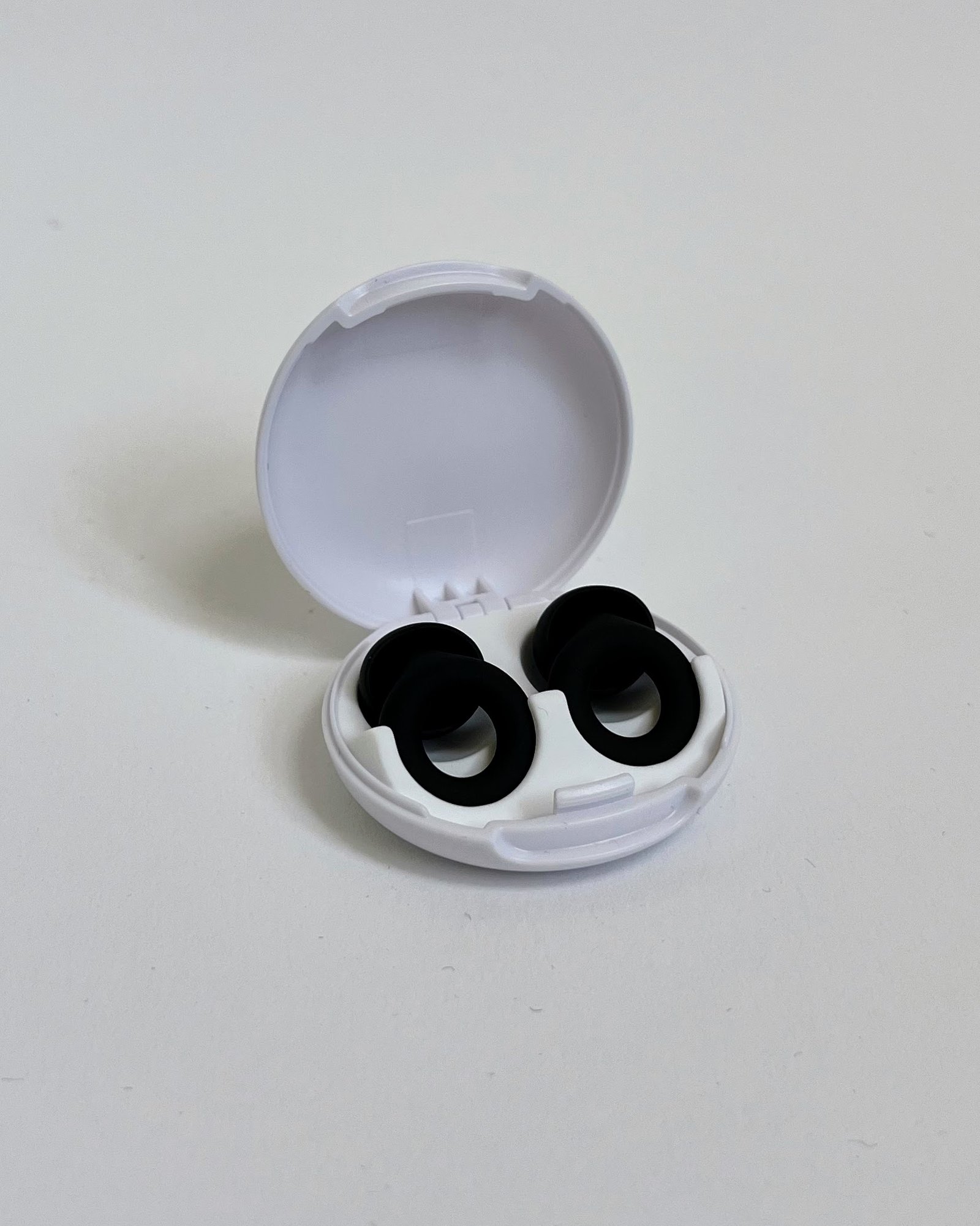
Case File
Loop Quiet 2: full sensory review
Occlusion, canal pressure, and the piston effect in small canals. All six environments scored.
Read the case file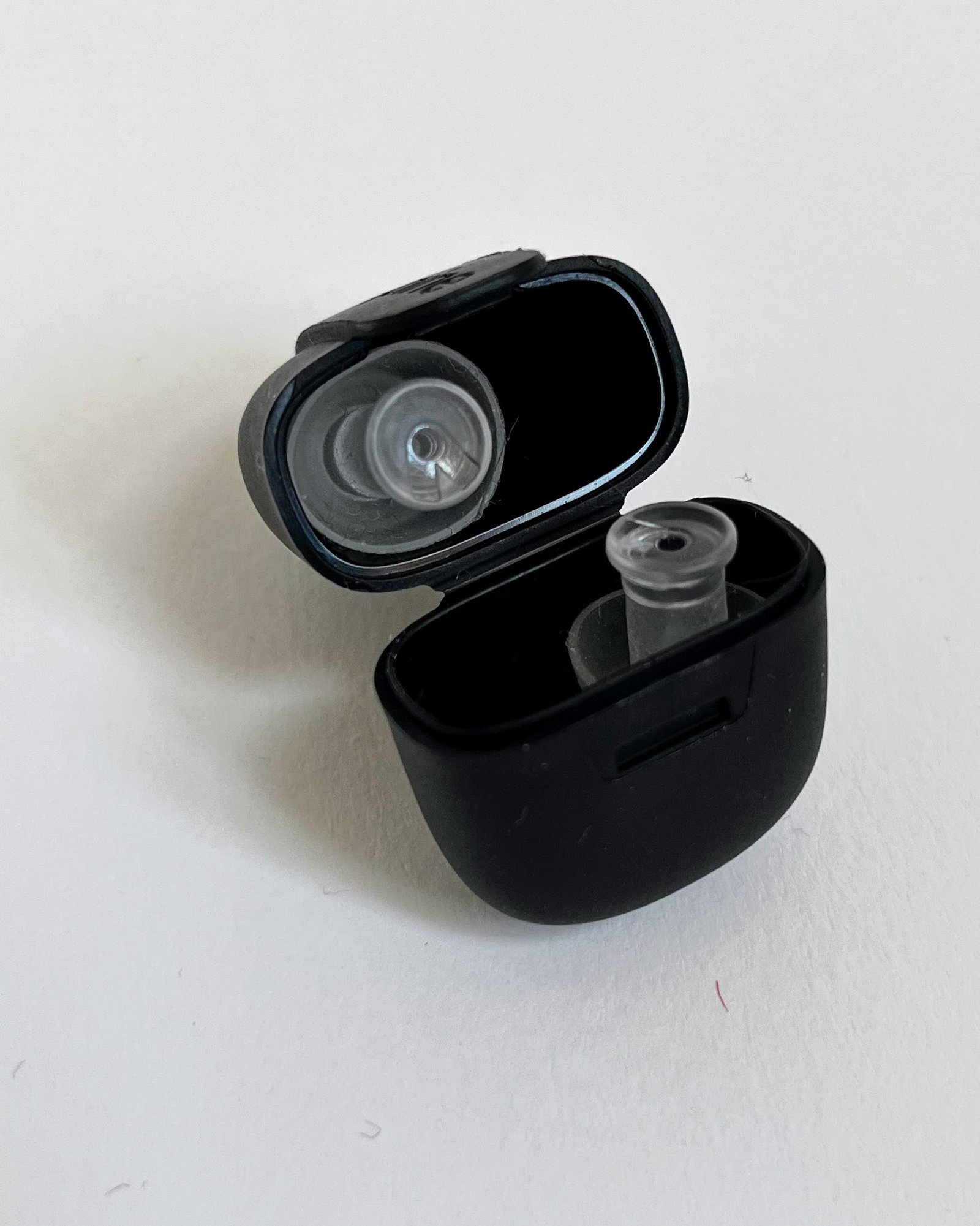
Case File
Alpine PartyPlug: full sensory review
The best all-round silicone plug in the investigation. Cleared for all six environments, including the ones both products above fail.
Read the case file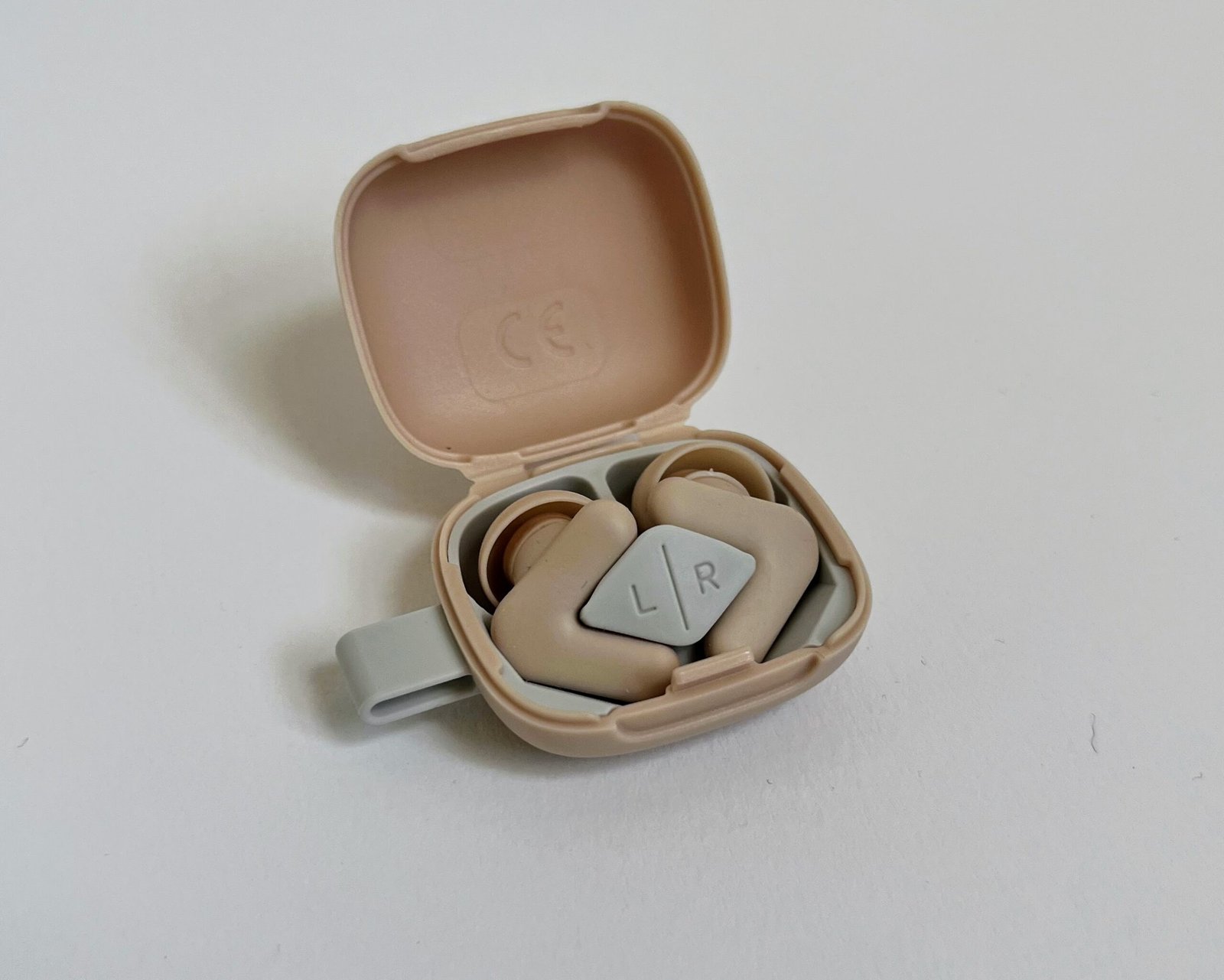
Case File
Alpine Silence: full sensory review
The full testing data.
Read the case file
Comparison
Loop Quiet 2 vs Loop Engage
Same housing, different filters, opposite use cases. One of these becomes counterproductive in an open-plan office.
Read the comparisonreviews
Investigation hub
All earplug reviews: sensory tested
Every product scored on pressure, occlusion, own-voice effect, and what it’s like to live with over time.
See all case files