
No sponsorship, no freebies. Links here earn a small commission at no extra cost to you, which keeps the investigations independent. More info
Noise Cancelling Headphones for Autistic Adults: What the Data Shows
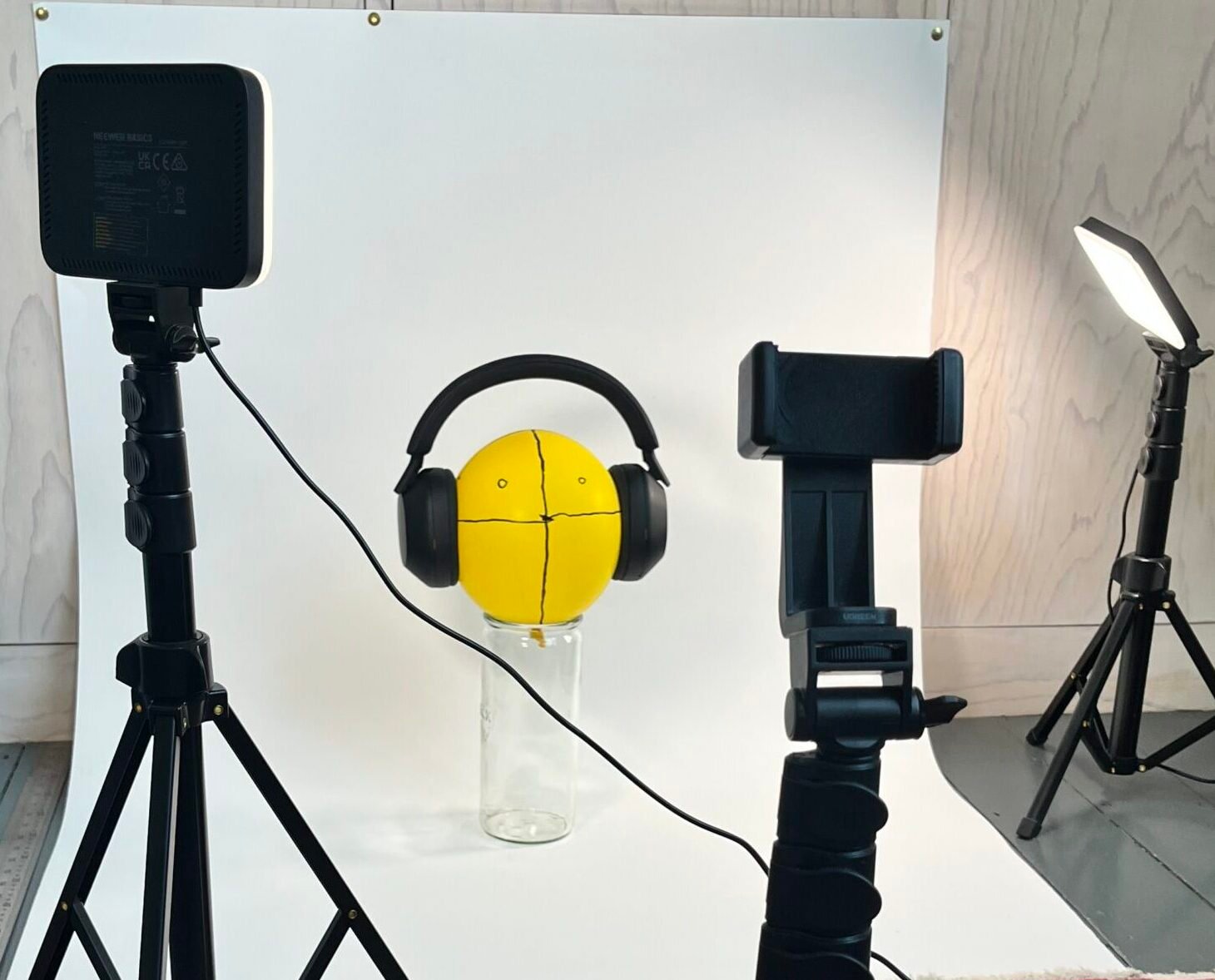
Eight noise cancelling headphones being tested for autistic and sensory-sensitive adults. Not just cancellation ratings: timed eardrum pressure, clamp force measured on balloon proxies, live misophonia triggers, and what each pair is like to live with in 6 real world environments.
Independent testing · Autistic and sensory-sensitive reviewer · Real-world use of autism headphones
I thought it was just me. Everyone seems to recommend ANC headphones when you have noise sensitivity. When I wore them, they would make things even worse! If you’ve been told noise cancelling headphones are the answer to sensory overload, this investigation has a more precise answer: they’re one answer, for some sounds, with some tradeoffs the spec sheets never mention. The findings for autism headphones listed here for our third investigation.
Which pair, for which ears?
Four models tested, and the choice comes down to one question: does your session end because of the noise, or because of what the headphones are doing to your ears?
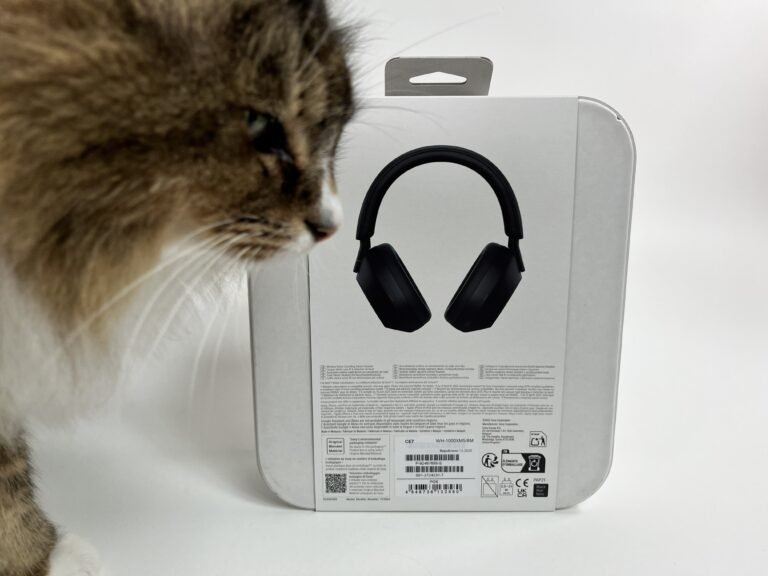
Sony WH-1000XM6
Strongest cancellation of the four, in the tone grid and in every live room. The only pair that never glitched on a bump or a bang. Buy this unless ear pressure is what ends your sessions.
Read the case file →Bose QuietComfort
Lowest eardrum pressure of the four at every timepoint, the faintest hiss, the least self-hearing, and half what the Ultra costs. It cancels least, and that is exactly why it is gentlest.
Read the case file →One exception worth knowing. The standard QuietComfort produces a brief, semi-painful pressure click on sudden bangs: a dropped spoon, a slamming door. If startles rather than steady noise are what your ears object to, the XM6 is the safer buy on both counts.
Why ANC works differently for sensory-sensitive adults
For a lot of autistic and sensory-sensitive adults, the reason a pair of ANC headphones fails isn’t that it cancels too little noise. It’s that it introduces something new and intolerable: a pressure against the eardrum that builds by the minute, a faint high hiss in the silence, heat around the ears, a clamp on the skull. The right pair isn’t the one that cancels the most. It’s the one whose particular costs match your particular sensory profile.
The finding that organises this investigation: eardrum pressure scales with how hard the electronics work. The louder the room, the stronger the pressure, and the ranking of these four changes depending on which cost matters to you.
Eardrum pressure over time. Switch ANC on and some ears register a pressure like a plane starting its descent. The investigation times it: a score every fifteen minutes across a ninety-minute wear, in a quiet room and under a controlled 75 dB noise floor. No mainstream reviewer publishes this curve, and it separated these four more sharply than the cancellation did.
The self-noise. Every pair tested so far produces its own faint high hiss in a silent room, some more than others. Cancellation replaces the world’s noise with a small amount of its own. If a 15 kHz whine is the kind of sound you can’t unhear, this line of the case files matters more than the headline cancellation figure.
Clamp, heat, and the ninety-minute wall. Balloon proxies stand in for a small and a large head, with the squeeze measured as a percentage of the unclamped width. Heat gets timed too. On several pairs the session ends not because of sound but because of hot, damp ears at the hour mark. Physical comfort and pressure comfort are different axes, and reviewers who rank one rarely mention the other.
Misophonia findings ANC alone barely touches wet mouth sounds: on one model, lip smacking passed through silent mode unchanged. With pink noise or a chosen track at a third volume, every trigger tested disappeared, on every pair. The earplug version of the same data is at best earplugs for misophonia.
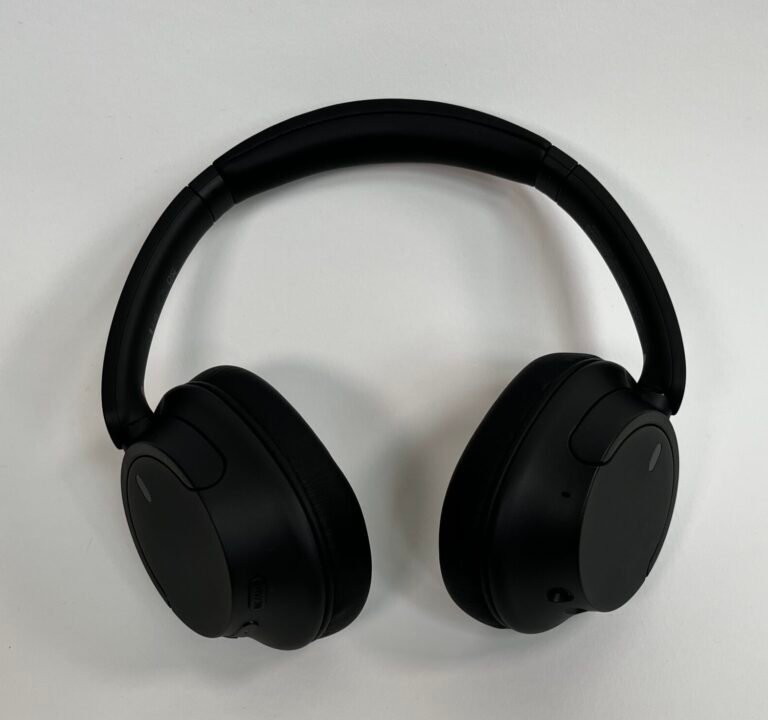
Case file — Caution
Last on cancellation, lightest under load. The long-commute pick for less.
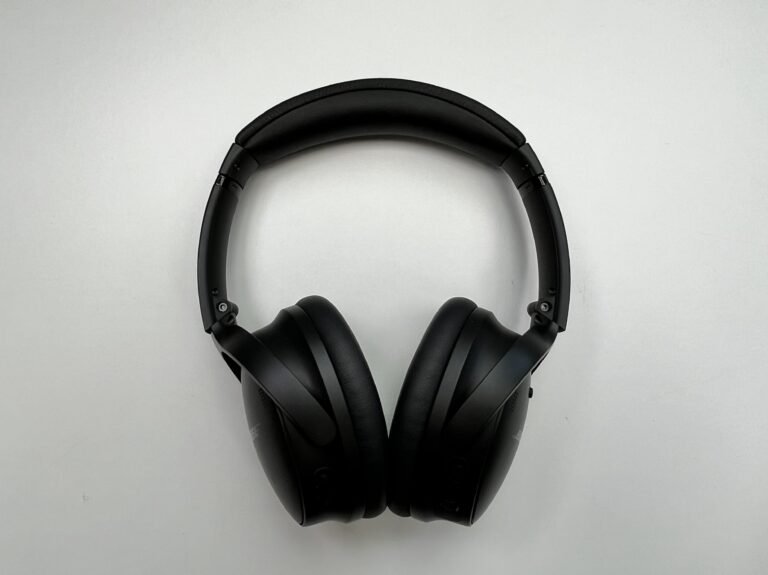
Case file — cleared
Lowest eardrum pressure of any pair tested. The pick if pressure is what ends your sessions.
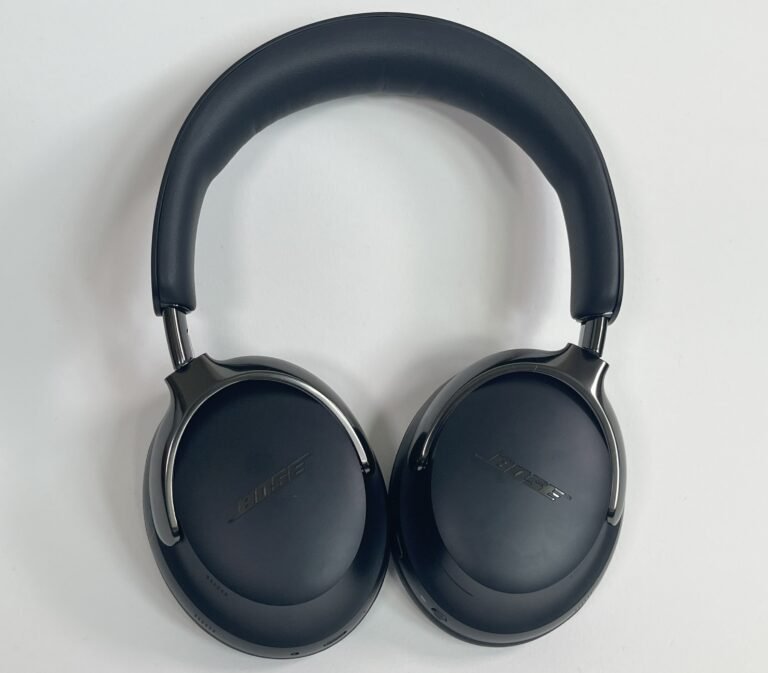
Case file — flagged
Bose QuietComfort Ultra 2nd Gen
The most expensive of the four and the hardest to recommend. Cancellation cuts out at every road bump.
Product comparisons
Read more findings below.
Headphone Field Report
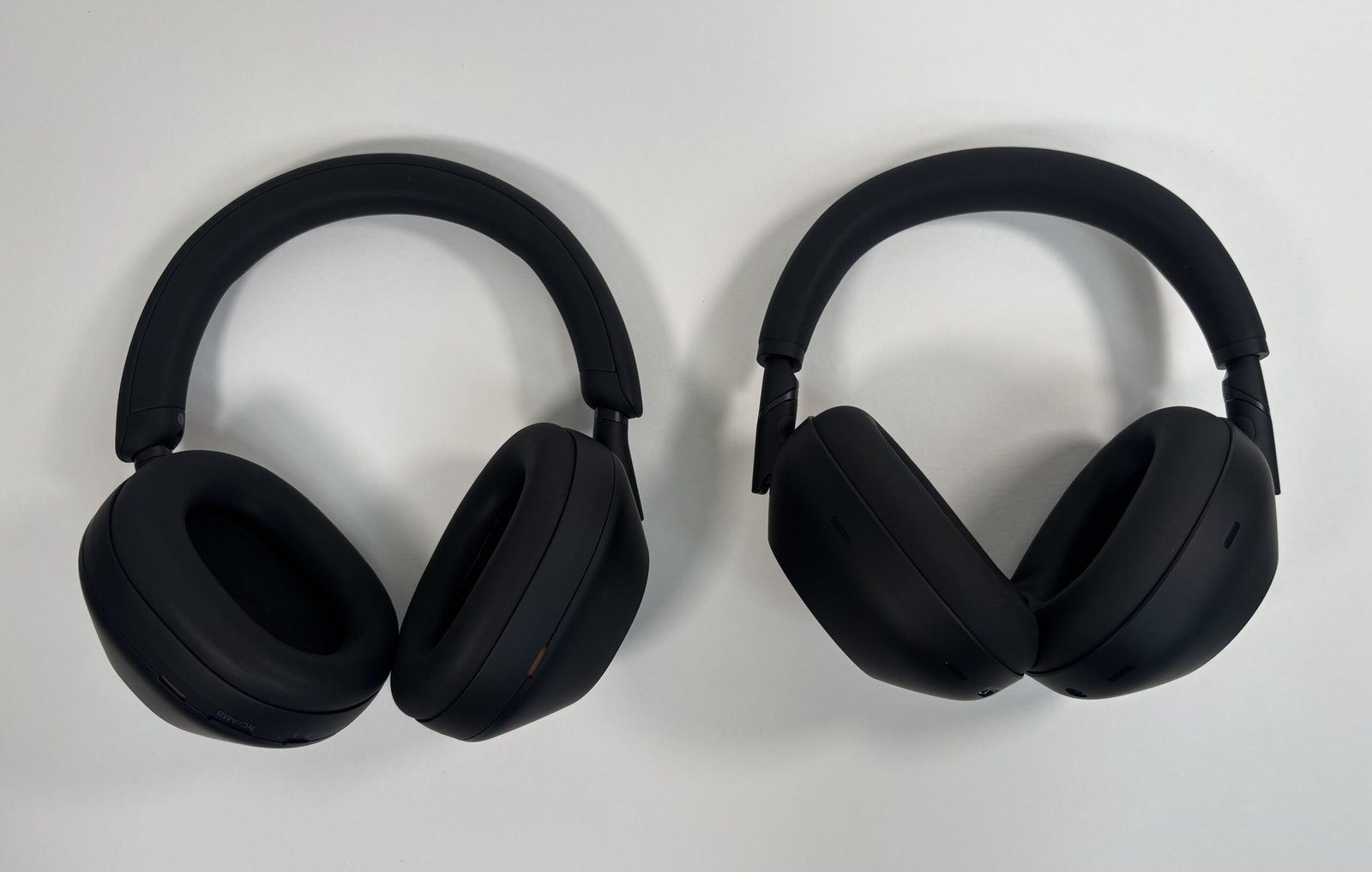
Sony WH-1000XM6 vs WH-1000XM5: Which Hurts Less After an Hour?
One cancels more, the other causes less eardrum pain, which matters more for autistic and sensory sensitive people. Ninety-minute pressure tests, clamp force measured, to prove whether the upgrade is worth it.
Headphone Field Report
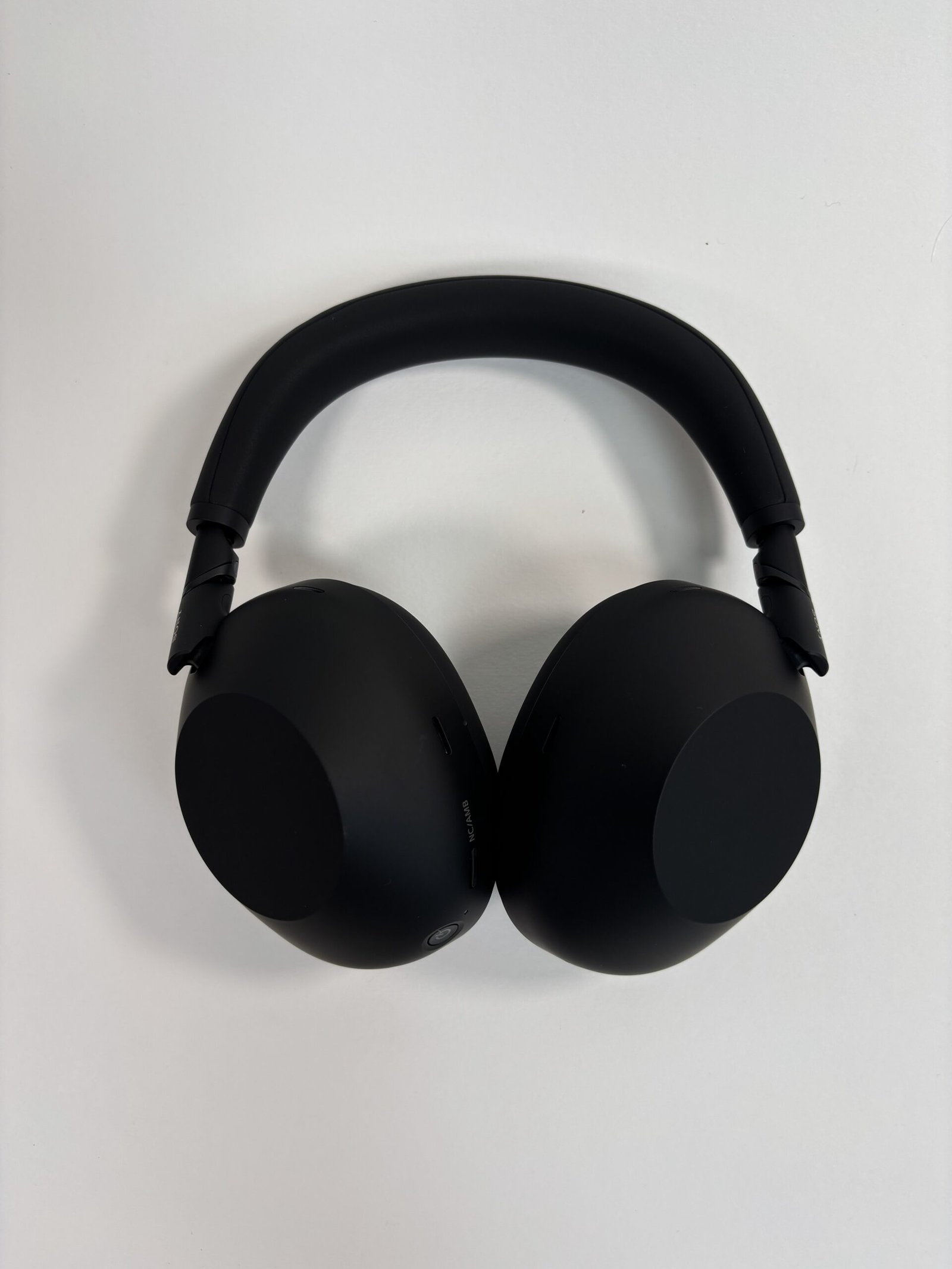
Sony XM6 vs Bose QuietComfort Ultra: The Sensory Test
Two leading headphones head to head and ear to ear. The Sony wins, and not for the reason its marketing gives you.
Headphone Field Report
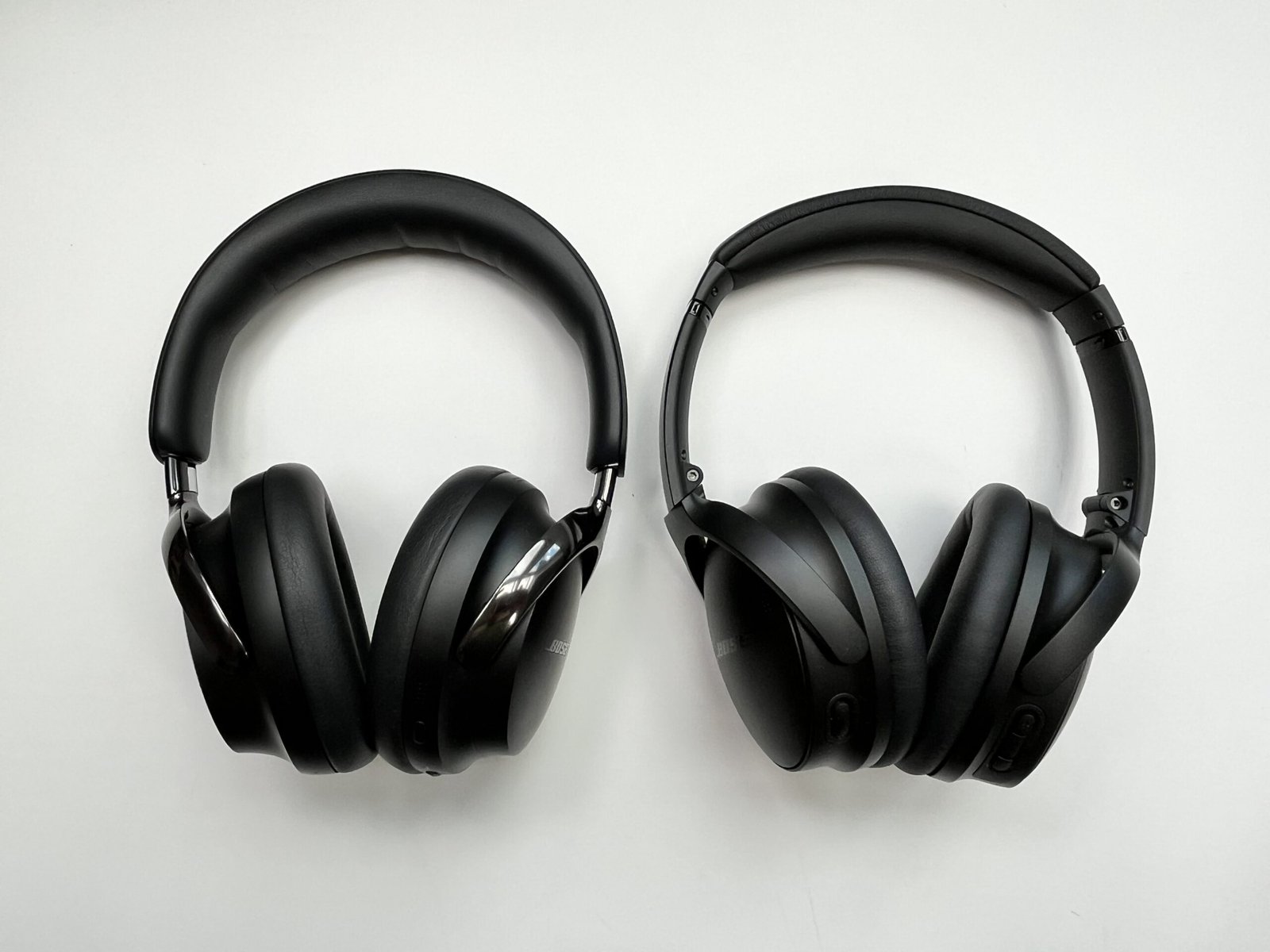
Bose QuietComfort Ultra vs QuietComfort: Worth the Upgrade?
An in-depth comparison of Bose’s two most popular noise cancelling headphones, to see what the newest version does for sensory sensitive and autistic users.
Headphone Field Report
Noise Cancelling Headphones for Misophonia: What Four Leading Models Actually Blocked
Four leading noise cancelling headphones tested against eight trigger sounds. A full rundown of what actually works.
Tested under the BOST ANC protocol: nine tones at three conditions, timed pressure scores, balloon clamp proxies, live trigger sounds, and six real environments. How the investigation tests ANC headphones →