
How we test noise cancelling headphones
The BOST Lab approach to measuring ANC headphones for autism and sensory sensitive people – not the usual test battery
Methodology v1. Published ahead of the first Case Files, end of June 2026. Updated as the investigation runs.
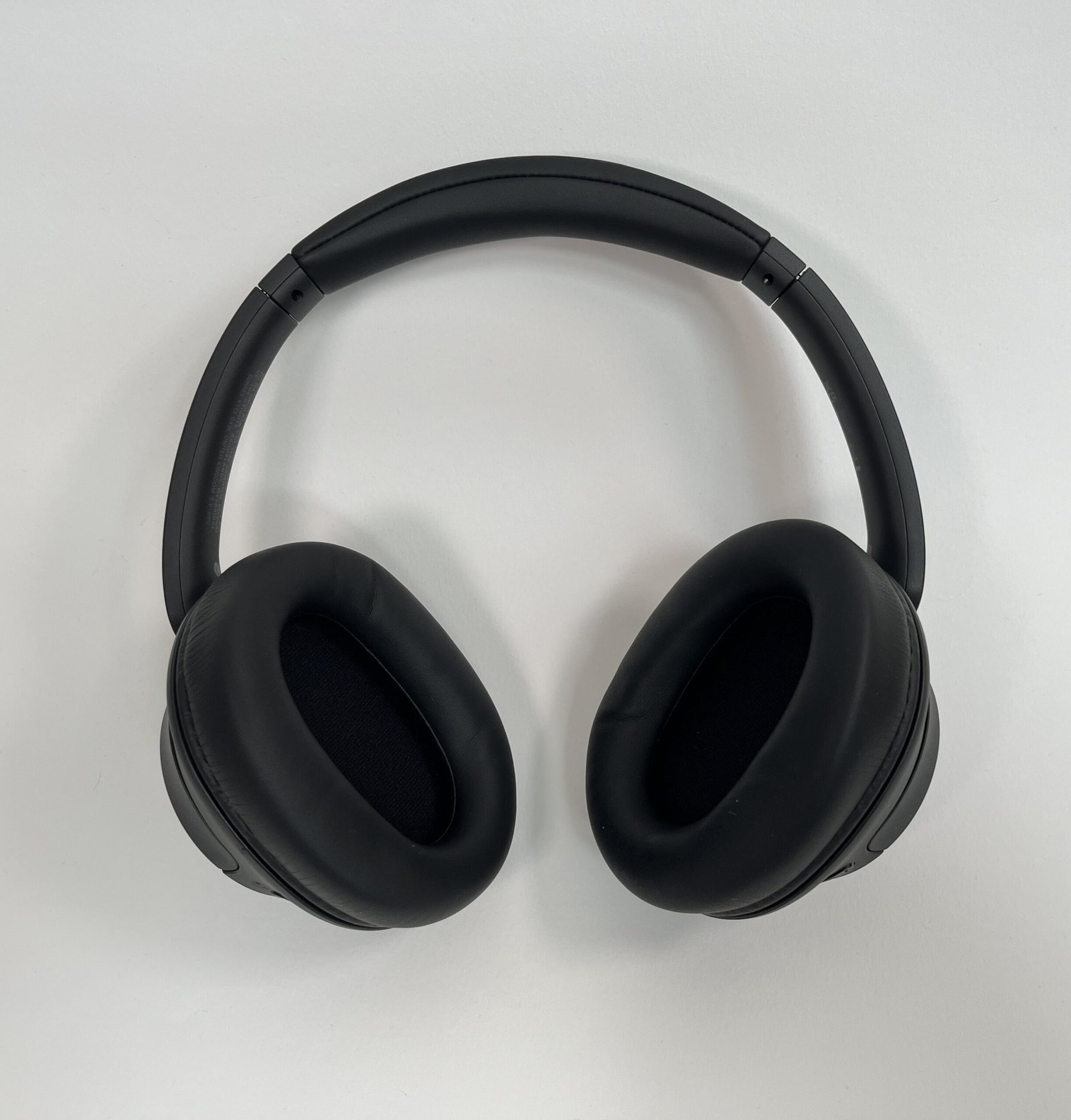
Noise cancelling headphones are sold on a single promise: silence. For a sensory-sensitive adult that promise is more complicated than the marketing allows. The same technology that erases an engine’s drone can produce a pressure sensation in the ears that some people barely notice and others can’t tolerate. It can hiss in a quiet room. It can roar in wind. It can drop out over a bump in the road.
None of this sits on a specification sheet. Almost none of it appears in mainstream reviews, because those reviews are written for an averaged user who mostly doesn’t feel these things.
This investigation is written for the people who do. Autistic adults, people with sensory processing differences, anyone whose ears and brain handle sound differently from the assumed default.
What this is
Perception, measured carefully
The investigation records lived experience and perception using a series of real world tests and replicable, standardised acoustic tests. The report is led by one tester’s documented experience, repeatable and described in full, so you can judge how well it maps onto your own ears.
The laboratory websites already measure decibels better than any independent tester could. This investigation measures the things their rigs can’t feel.
Three things, not one
Why “which cancels most” is the wrong question
Most reviews of noise cancelling headphones for autism ask one question: how much do they block? For a sensory-sensitive wearer that’s only a third of the purchase decision, and it’s often not the third that decides it. Twenty-plus years of wearing this category of product, across three generations of Sony flagships and two of Bose, is what first surfaced the other two, long before this measuring started using a balloon rig and a stopwatch.
1. What it blocks, and where
Steady low rumble and sharp trigger sounds behave completely differently under cancellation. A headphone that erases an extractor fan can leave chewing almost untouched. The investigation tests both, by frequency and by real environment, because the marketing tests neither.
2. The pressure the electronics cause
ICP: in-canal pressure, the eardrum-suck sensation cancellation itself produces, independent of the seal. Timed at 15/30/60/90 minutes on every product tested. The full mechanism is below.
3. The pressure the band causes
A separate, physical problem: clamp force from the headband, measured on balloon proxies at two head sizes. Independent of the electronics entirely, and often confused with ICP by readers who feel both at once.
These three don’t move together. A headphone can lead the field on blocking and finish last on pressure, or the reverse, and the case files report them as three separate scores rather than folding them into one number. That’s the difference between noise cancelling headphones for autism adults reviewed by someone who wears them and a spec sheet read by someone who doesn’t.
The pressure feeling
Why heavy cancellation can feel like a plane descending
If you’re autistic or otherwise sensitive to pressure, and you’ve been told your discomfort from noise-cancelling headphones is “all in your head,” you have reason to push back on that. This is sometimes why headphones feel like “airplane suck”.
There are two different things going on, and most headphone sites only talk about one.
The brain-guessing part. In daily life, there’s one situation where you lose deep bass sound but keep hearing higher sounds fine: when air pressure changes across your eardrum and stiffens it. Your brain has learned that pattern over your whole life. Cancellation copies the same hearing pattern by accident, because it’s very good at removing steady low sound and leaves higher sound mostly alone. Bass gone, treble still there. Your brain matches that pattern to “pressure change” and produces the feeling, even with no pressure change happening. This causes a mild, general fullness for a lot of people.
The part that’s actually physical. The lead reviewer had to look into this second kind as their experience didn’t fully match with the common explanations. We needed to explain pain that shows up only when cancellation is switched on, using the exact same tips or cushions you wear with it off. For that, there’s a second explanation, and it holds up better under that test. A sealed ear canal with an active speaker inside it acts like a tiny pressure chamber: the same speaker movement makes a much bigger pressure change in that small trapped pocket of air than it would out in the open (Bose patent). Cancellation output is mostly low-frequency sound, exactly the range that gets amplified this way. So an active speaker in a sealed ear canal can genuinely push and pull the trapped air, not just make sound you hear. Engineering patents call this a real “static pressure,” different from ordinary sound level, and note that this kind of pressure — the same kind used in a hearing test called tympanometry — can set off a protective ear-muscle reflex by itself, from the eardrum physically stretching, not from sound (a href-“https://image-ppubs.uspto.gov/dirsearch-public/print/downloadPdf/8774435”>patent on static pressure and the stapedius reflex). That’s the same reflex involved when a plane descends or a train enters a tunnel.
No one has measured this directly inside consumer ANC headphones and published it, as far as we could find, so we can’t say for certain how big the effect is in any given pair. But if your pain only happens with cancellation on, and it feels like a plane or a train, you may be feeling a small real pressure event, not a false alarm your brain invented.
People vary a lot here. Ear canal shape changes how strong the effect is. People who are more tuned into signals from inside their own body tend to feel it more strongly too, and that includes many autistic and sensory-sensitive adults. If you already deal with ear pressure problems like Eustachian tube dysfunction, your ears may react harder to the physical part as well, since your pressure system was already working with less slack.
The eight axes
What we measure
Every headphone is examined across eight sensory dimensions. Each maps to a way a nervous system can be caught off guard.
Noise. What it blocks and, just as important, what it doesn’t. Steady low rumble is where cancellation works. Sudden sharp sounds, voices, and clattering crockery are where it fails, and the gap between the marketing and the reality is part of the finding.
Pressure and internal sense. The pressure feeling above, split into seal and electronics, tracked over ninety minutes. Dizziness and queasiness logged honestly, because a small share of people get them and deserve the warning.
Feel. Cushions against the skin, the headband on the crown, the warmth that builds inside sealed cups over an hour, and the audible thud some headphones make when you touch the controls.
Squeeze and weight. Clamping force at a fixed head width, weight on the scale, and a separate check of what happens when glasses break the seal, which a great many readers need and no mainstream review tests.
The glitches. Three failures the labs don’t test. Whether cancellation roars in wind, whumps or cuts out over a bump, or struggles when a door slams. For a startle-sensitive person an unpredictable glitch from the coping device itself is its own kind of harm.
Social. Whether a headphone reads in public as ordinary headphones or as visible equipment, because wearing a coping tool shouldn’t carry a social cost, and for many people it does.
Visual and scent. Indicator lights that pulse at the edge of vision, and the smell of new materials. Small dimensions, not zero.
Where we test
Six places, twice each
A headphone behaves differently in a silent room and on a rush-hour train, so each is tested across the places sensory-sensitive adults actually use them. A quiet room first, where the pressure feeling and any hiss show with nothing to hide them. A kitchen and home workspace, where steady appliance hum is cancellation’s home ground. An open-plan office, where voices and keyboards expose its limits and the social question is sharpest. Public transport, the technology’s headline setting and the home of two of its glitches. A café and a supermarket, the honest-limits tests, where sudden sharp sounds defeat cancellation regardless of price, and where the report asks plainly whether a pair of earplugs would have served better.
Each setting is tested twice: once with nothing playing, which exposes the hiss and pressure at their most obvious, and once with audio playing, because that’s how most people wear them. The audio is steady pink noise rather than music, partly for consistency and partly because a person overwhelmed enough to reach for heavy cancellation often can’t tolerate music at all.
Keeping ourselves honest
One tester, stated plainly
This protocol didn’t start in a lab. It started with over twenty years of buying, returning, and living with this category of headphone, and finding that the returns were never explained by the spec sheet. The three-way split above, blocking, ICP, and clamp, is what that much personal history eventually made obvious. The measurement is new. The problem it measures isn’t.
One tester is a limitation, and pretending otherwise would be dishonest, so the investigation is built to expose its own biases rather than hide them. A guess about each headphone is written down before testing begins, so findings that merely confirm expectations can be spotted. The tester’s sensory load is noted at the start of every session, because a difficult day inflates every discomfort score. The first headphone tested is tested again at the very end, weeks later, to check whether the scores drifted as the testing wore on. Every objective number is taken with the same equipment in the same room, so the products compare fairly even where the absolute figure is rough.
Measured figures are weight, clamping force, and where used, recorded sound levels. Heat is a felt warmth score, not a temperature, because a thermometer in the ear would read body heat rather than the heat a headphone traps. Clamping figures apply to one head; a larger head feels more force than the numbers show. Laboratory attenuation is cited from the established testing sites, credited to them, as the layer beneath this one.
The verdicts
Cleared, Caution, Flagged
Every Case File ends in one of three verdicts, never a score out of ten, because a single number hides exactly the variation that matters to a sensory-sensitive reader.
Cleared: no significant sensory problem for the profile described. It does what it claims without a hidden cost.
Caution: it works, with a trade-off that matters to some people and not others. The Case File says precisely who should think twice and why.
Flagged: a problem serious enough that a sensory-sensitive reader should approach with care. The reason is always stated and tied to a documented test.
A verdict is always given for a particular kind of nervous system, not for everyone. A headphone that earns Caution for pressure sensitivity may be entirely right for someone who doesn’t feel pressure at all. The point of the investigation is to tell you which of those people you are.
The investigation
What’s coming
The ANC Headphones Investigation tests eight over-ear noise cancelling headphones, from budget to premium, against everything above. The first Case Files publish at the end of June 2026, and each will be linked here as it goes live. For some people and some places a pair of earplugs is the better answer, and a forthcoming comparison will set the two technologies side by side, building on the earplug frequency attenuation findings already published.
KEEP READING
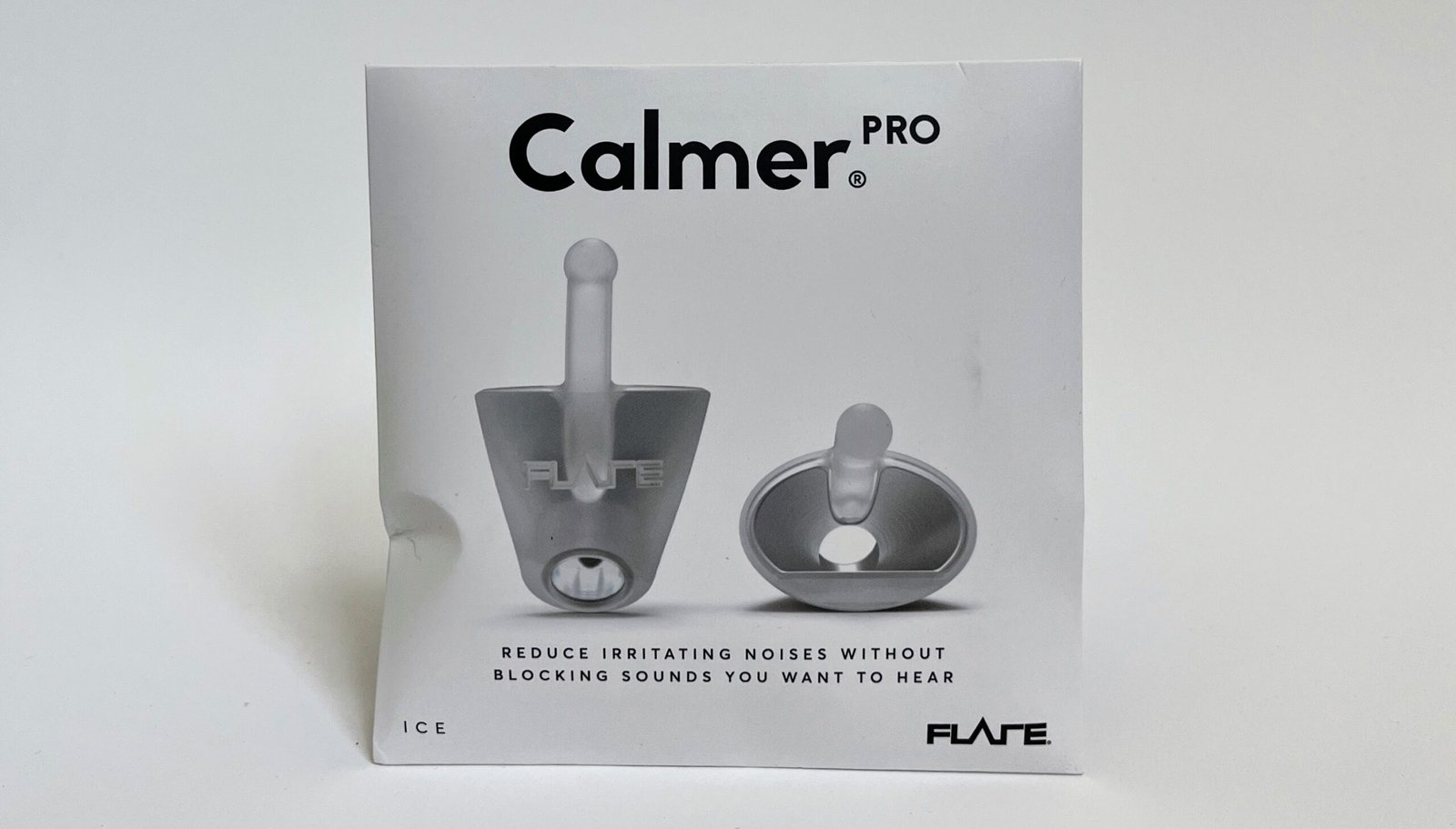 INVESTIGATION HUB
Earplugs for sensory-sensitive adults
The same questions asked of a different tool. Ten case files, the method, and every comparison in one place.
INVESTIGATION HUB
Earplugs for sensory-sensitive adults
The same questions asked of a different tool. Ten case files, the method, and every comparison in one place.
 FIELD REPORT
What frequencies each earplug blocks
The tone-by-tone data, 75 Hz to 15 kHz. The grid the ANC comparison will sit beside.
FIELD REPORT
What frequencies each earplug blocks
The tone-by-tone data, 75 Hz to 15 kHz. The grid the ANC comparison will sit beside.
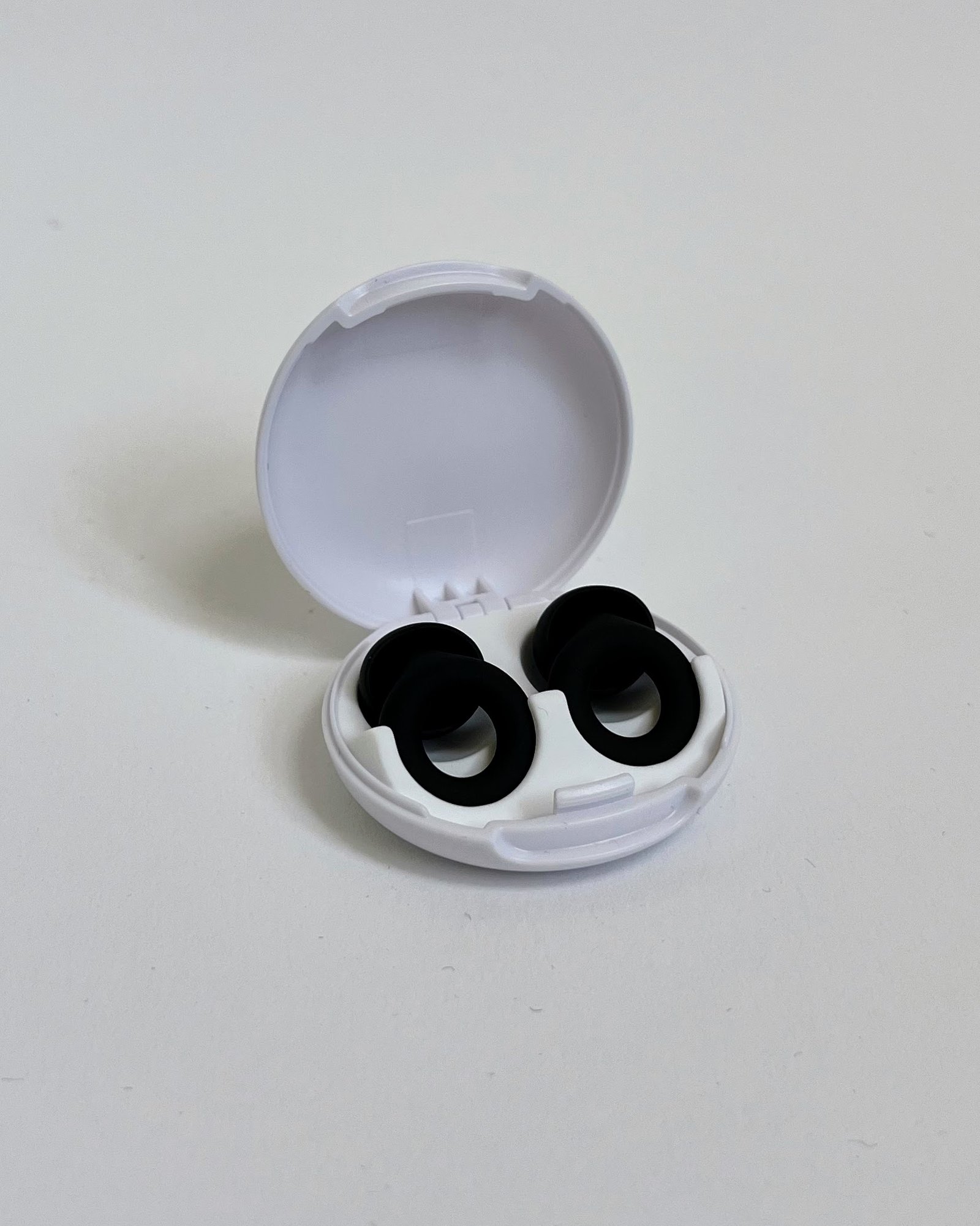 ARTICLE
Earplugs for sensory overload
When the world is too loud, what actually helps, and when earplugs beat headphones.
ARTICLE
Earplugs for sensory overload
When the world is too loud, what actually helps, and when earplugs beat headphones.