
Sony WH-1000XM6 Sensory Review
Best for: kitchens, open plan offices, noisy supermarkets
Mixed findings in: quiet rooms, commuting, noisy restaurants
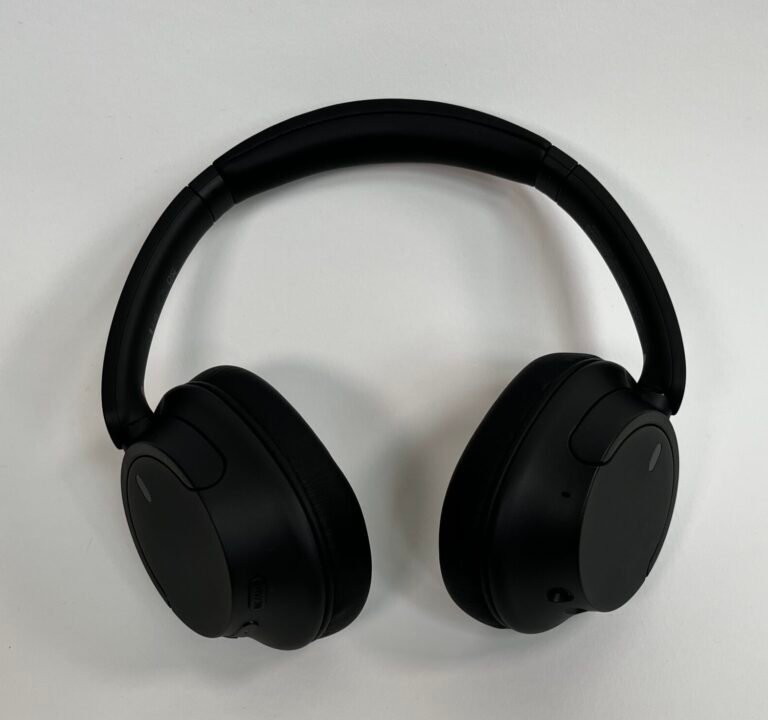
Exhibit A. The current Sony flagship: matte, uniform, premium, and the firmest grip of the four headphones tested.
The sacrifices we make for our art. The soft-chewing test is, without question, the worst bench work in the whole investigation. Sitting at the breakfast table while a family member crunches and chews, purposely focused on those noises rather than tuning them out, leaves your faithful investigator needing to lie down in a darkened room afterwards. You’re welcome. The finding it earned: the XM6 handled more misophonia triggers better than any other headphone tested, though not every one, the Bose Ultra 2nd Gen still edges it on lip smacking.
The strongest quiet of the four flagships tested; buy it if noise is the #1 enemy and read the pressure curve first if your ears are frequency sensitive.
Sensory Scorecard
What these eight axes mean
- Noise
- External sound, unpredictable or unfiltered, including misophonia triggers.
- Scent
- Smell that registers as invasive; unboxing odour and how long it lingers.
- Tactile
- Surface contact: pad materials, heat, sweat, textures under the fingers.
- Proprioceptive
- Clamp force, stability, and the sense of the headband’s grip.
- Interoception
- Internal signals the seal and ANC amplify: eardrum pressure, heartbeat, breathing.
- Visual
- Lights, app screens, and appearance factors.
- Hygiene
- Pad wear, residue, and cleaning over repeated use.
- Social
- How wearing them reads to other people, and conversation viability.
✓NoiseThe quietest result in the set: strongest in the engine-and-appliance band, keyboards nearly erased, nothing tested cut more.open +close −
In practice the XM6 is the strongest single tool the investigation has tested against engines, extractors, keyboards, and fridge hum, and it holds that lead in every room tried. What it does not do alone is silence trigger sounds: soft chewing halves rather than vanishes, and the full cut only arrives with pink noise or music playing. Readers whose problem is eating sounds in silence should read the misophonia data before spending here.
–ScentChemical plastic smell on pads and case at unboxing, weaker than the XM5's, fading but still findable at day 7.open +close −
A chemical plastic smell sits on the pads and case out of the box. It fades steadily, and by day 7 it takes a deliberate sniff to find, but scent-sensitive readers should plan to air the product for a few days before long wears. The XM5’s smell is stronger; the Bose Ultra arrived with none.
–TactileFirm, smooth pads over memory foam; hot and sweaty after an hour, and the case surface squeaks faintly under the fingers.open +close −
Smooth, firm pads rather than plush ones, closer to an inflated cushion than a pillow, and they warm up: hot, sweaty ears arrived within the hour at a desk. Two small textures to know about: the case surface gives a faint squeak under the fingers, and a tap on the cup plays a ‘tonk’ chime, so accidental knocks are audible events.
✓HygienePads look new at ten uses, wipe down easily, and the box opens without a single triggering crinkle.open +close −
Pads looked new at ten uses and wipe down easily. Nothing flakes, nothing needs routine cleaning, and the box opens without a single triggering crinkle.
–ProprioceptiveThe strongest clamp of the batch and no loosening at 30 minutes; the payoff is the most secure fit tested.open +close −
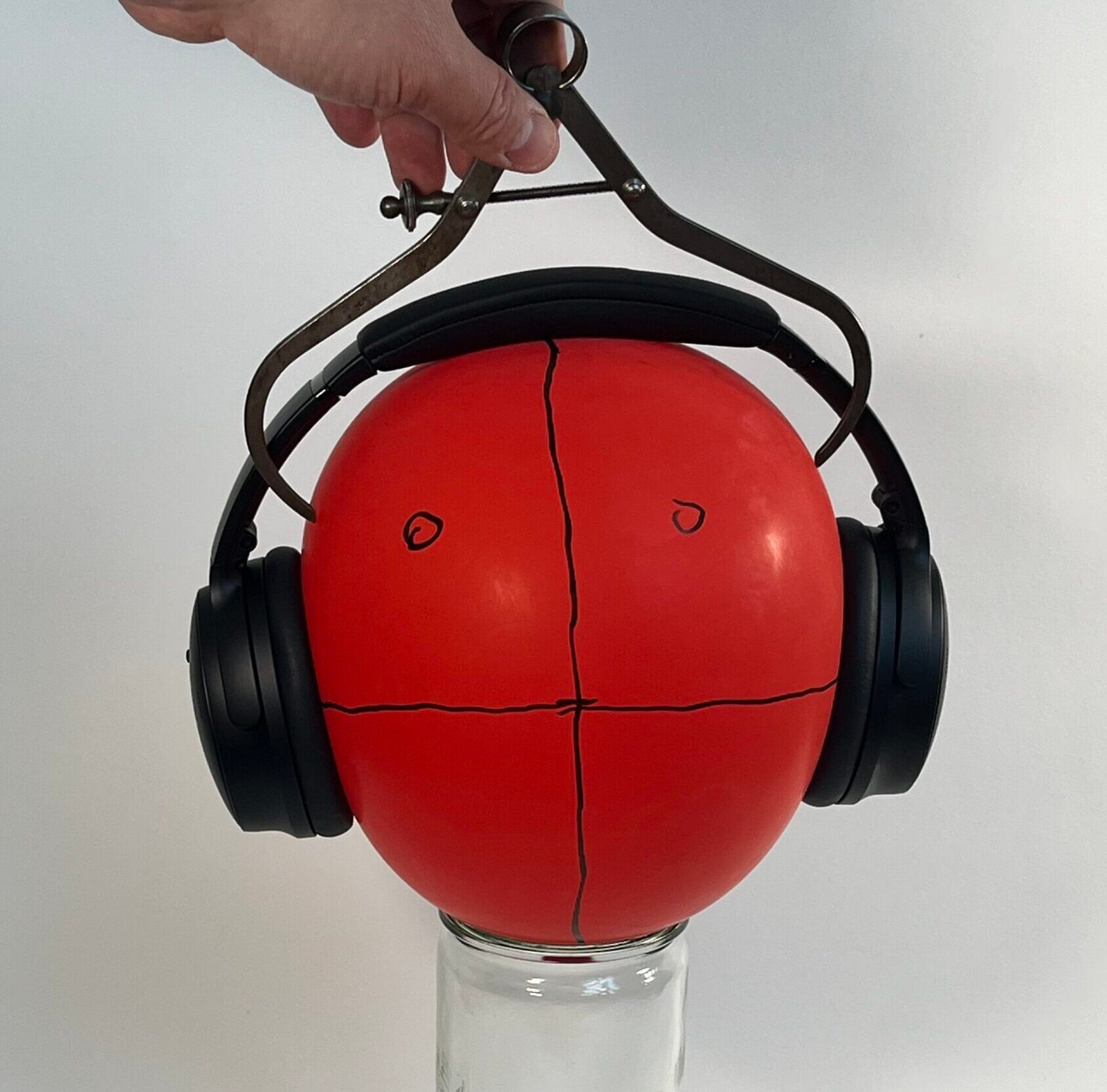
Firmest clamp of the four flagships, and it does not relax with wear; the jaw and the skin around the ears carry it, and the balloon proxy shows the grip ramping steeply on larger heads. The payoff is the most secure fit tested: look down, shake your head, nothing moves. Smaller heads get the security at a fraction of the squeeze.
–InteroceptionPressure builds from 2 to 4 across ninety minutes and rises faster in loud rooms; a faint heartbeat is audible in the quiet.open +close −
Pressure is the honest bill for the quiet. It reads 2 of 5 at 15 minutes in a quiet room and 4 by 90, and it climbs faster in loud places as the ANC works harder; in the hardest cafe it verged on slightly painful past the half hour. A faint heartbeat becomes audible in quiet rooms, and after one 45-minute bus wearing a headache around the ears followed removal, one occasion, reported as observed. Pressure-sensitive readers should consider the XM5, which charged the least of the set.
✓VisualOne small steady light, invisible in use; matte, uniform, premium surfaces with nothing that flashes or pulses.open +close −
One small steady light, invisible in wear. Matte, uniform, premium surfaces with nothing that flashes or pulses.
✓SocialNormal-looking and premium; a second person rated them fine, though leaving them on mid-conversation reads as rude.open +close −
Normal-looking to the point of invisibility in an office or cafe; a second person rated them entirely unremarkable. Short exchanges work with the cups on. Anything longer means removing them or switching to the crispy transparency mode, and leaving them on mid-conversation reads as rude.
Case Summary
Across nine test tones and six environments the Sony WH-1000XM6 cut more sound than the Bose QuietComfort Ultra 2nd Gen, the standard QuietComfort, and its own predecessor, with the gap widest where daily life is loudest: engines, extractors, keyboards, fridge hum. Two findings ran against expectation: glasses cost it nothing measurable in a noisy cafe while both Bose models leaked, and the bus route that forced an audible cutout from a rival flagship did nothing to it at all.
The trade offs are other things the headphones do while noise cancelling, and this review seeks to itemise those because no other review does. If noise cancelling headphones have ever hurt your ears or felt like pressure building in your head, the numbers are in the results above: low (2/ 5) at 15 minutes rising to strong (4/5) by 90 min, climbing faster in loud rooms. Ear pad heat, a faint hiss detected, and the firmest clamp of the set observed. None of this reverses the overall verdict but important to be aware of if you are pressure and high pitch noise sensitive.
BOSTLab Results
Controlled tests, reported in two halves: what the seal blocks physically, and what the electronics cancel on top. Environment trials follow further down.
Two kinds of quiet
Every result below comes from one of two mechanisms, and separating them explains most of what these products do. The first is physical isolation: the cups seal against the head and simply block sound, the way an earplug does. The clamp measurement below is the cost side of that seal, and the passive rows of the tone testing are its benefit side, no electronics involved.
The second is the active layer: microphones sample the noise, the software inverts it, and the speakers cancel it inside the sealed cup. The tone measurements show how much that layer removes beyond the seal alone, and the field trials confirm where it holds up in real rooms. The active layer also has a cost, and the investigation names it ICP: in-canal pressure, the eardrum-suck sensation the cancellation itself produces. It is measured over time below.
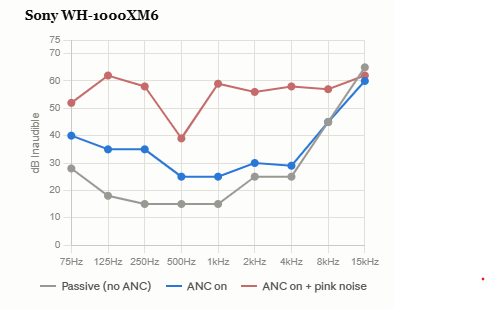
Nine test tones from 75 Hz to 15 kHz, three listening conditions. Higher on the chart means the tone stayed inaudible until played louder: more of it was blocked.
The ANC line riding above the passive line is what the electronics remove on top of the seal, and through the engine band that gap was the widest of the four flagships tested. The pink noise line is highest which shows its masking effect: with a signal playing, every tone had to be far louder before it could be heard at all.
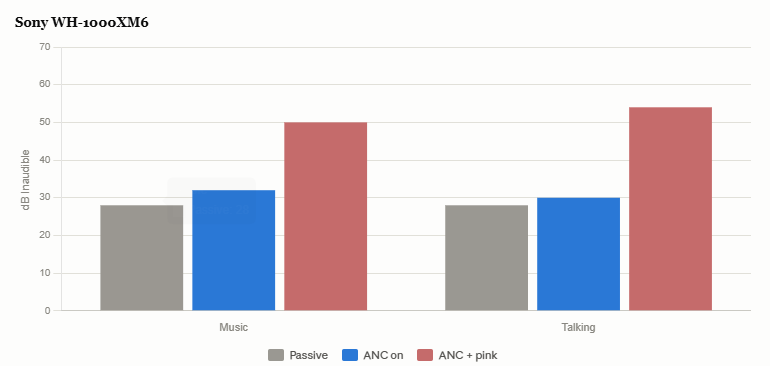
Continuous music and speech under the same three conditions. Taller bars mean the sound had to be played louder before it reached the ear: more blocking.
Music and speech behave like the tones: ANC alone adds a modest step over the seal, and the masking signal cuts out the most. Which is why this page keeps repeating one instruction for trigger sounds: play something.
How much noise gets past the ANC?
% = signal allowed through with ANC on and nothing playing. Lower = stronger attenuation. Same tone method as the earplug investigation. Subjective perception, not laboratory measurement.
Reading the table: blocking runs strongest at 15 kHz, the highest audible band, and weakest around 1 kHz, so speech clarity centre is where sound most survives the cancellation.
ICP (in-canal pressure): ANC pressure over time
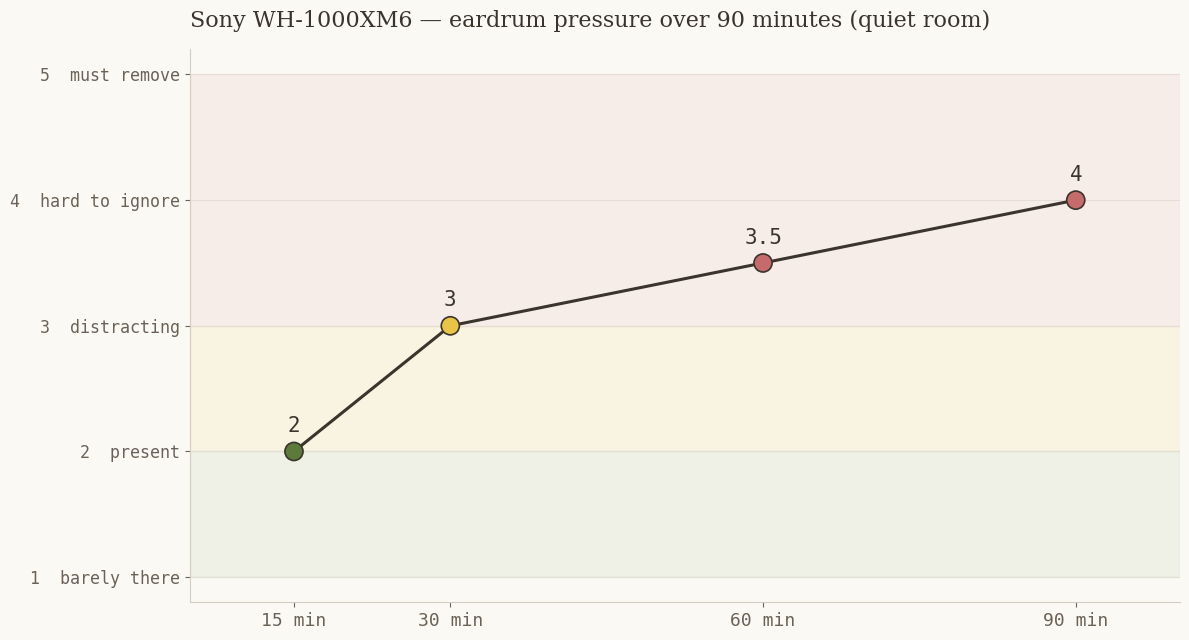
ICP over a 90-minute quiet-room wearing, scored 1 (barely there) to 5 (must remove). ICP rises faster in loud environments as the ANC works harder.
ICP registered a low 2 of 5 at fifteen minutes, moderate (3/5) by 30min, 3.5 at the hour, and strong (4/5) by 90 min. This is the steepest ICP curve of the four headphones tested. At the top of that range the sensation is distracting rather than intolerable in a quiet room, though in a super noisy café it verged on slightly painful after half an hour, and one forty-five-minute bus ride left a headache around the ears that required a painkiller. ICP increases with how hard the noise cancelling electronics work, so this indicates that ICP for XM6 grows faster in loud places than the quiet environments. If eardrum pressure is an issue you want to avoid, this is the wrong headphone model for your. Consider Bose QuietComfort case file instead.
Clamp: physical pressure from the band
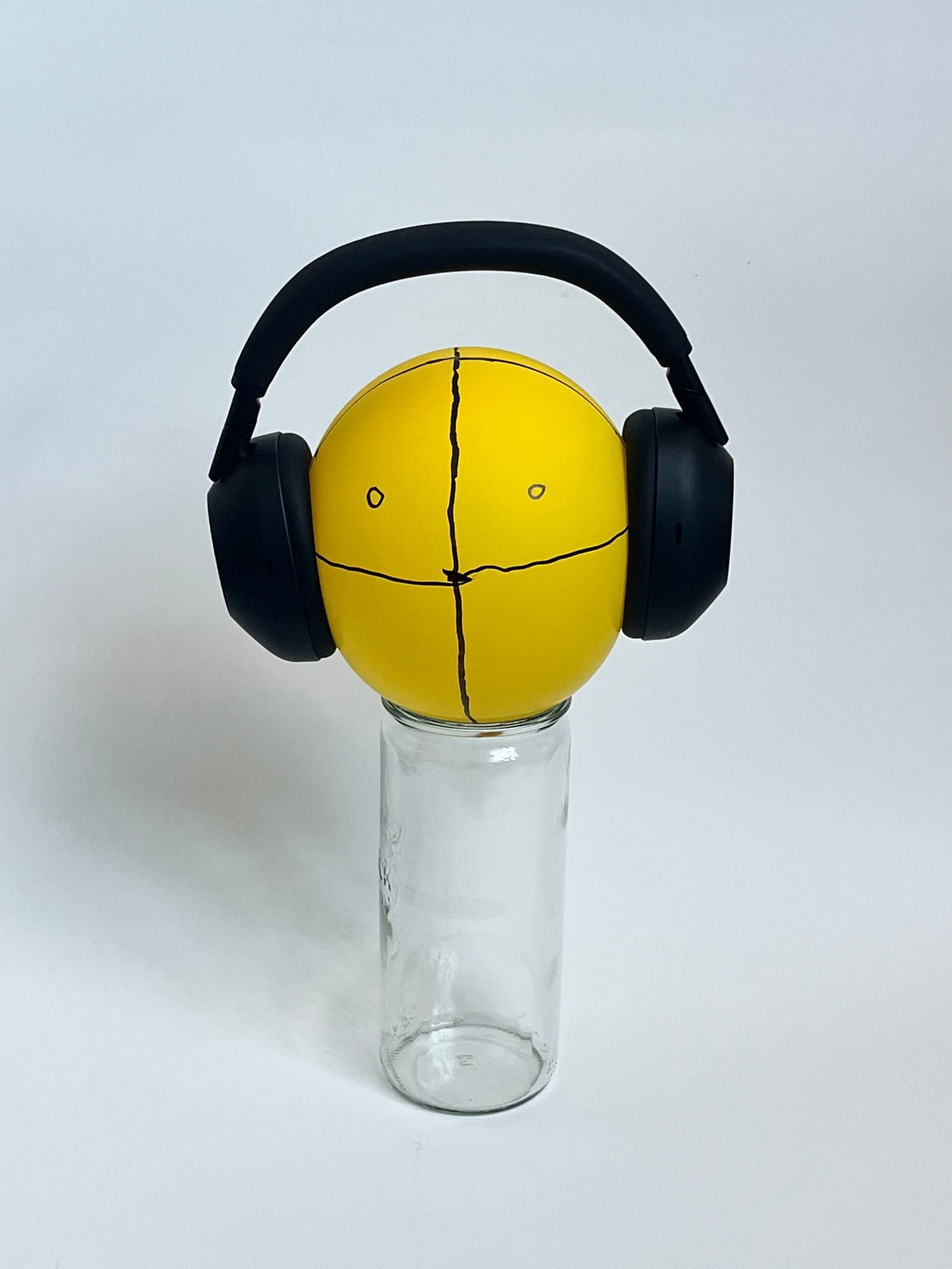
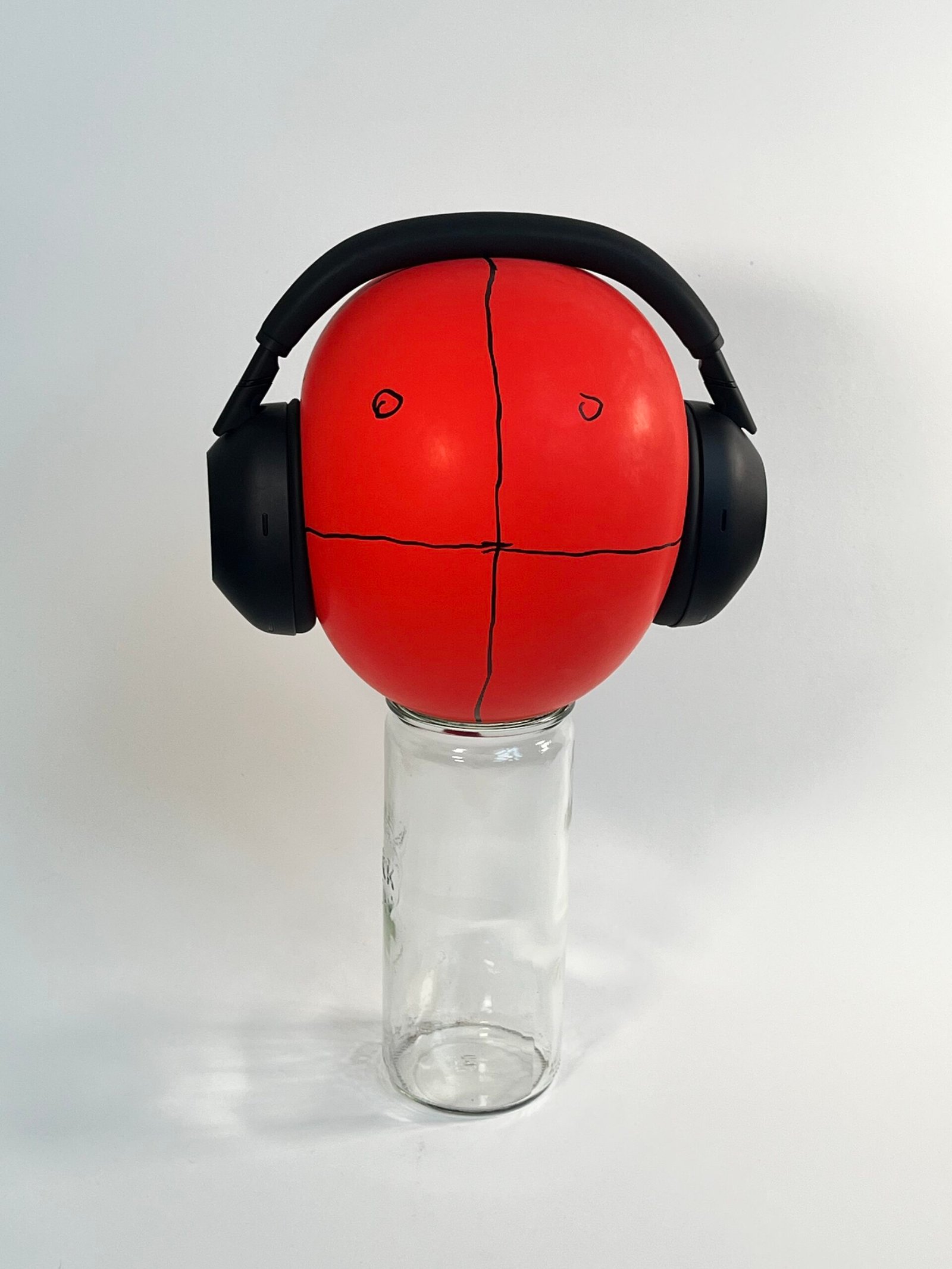
Expressed as a percentage of the unclamped width, this band compressed the large-head form by 7.4 percent which is the firmest grip of the models examined. Comfy on smaller heads, but for people with larger noggins you might really feel this after an hour. If clamp force is an issue for you look at Bose QuietComfort, which grips a large head with less than half the force.
A comparative proxy across the tested set, not a force measurement. Method: how the investigation tests ANC headphones.
Misophonia triggers, tested live
ANC alone halves soft chewing and cuts lip smacking by three quarters; add pink noise and every trigger tested disappears.
Other tests
Specifications of Note
The physical facts that matter to sensory-sensitive wearers.
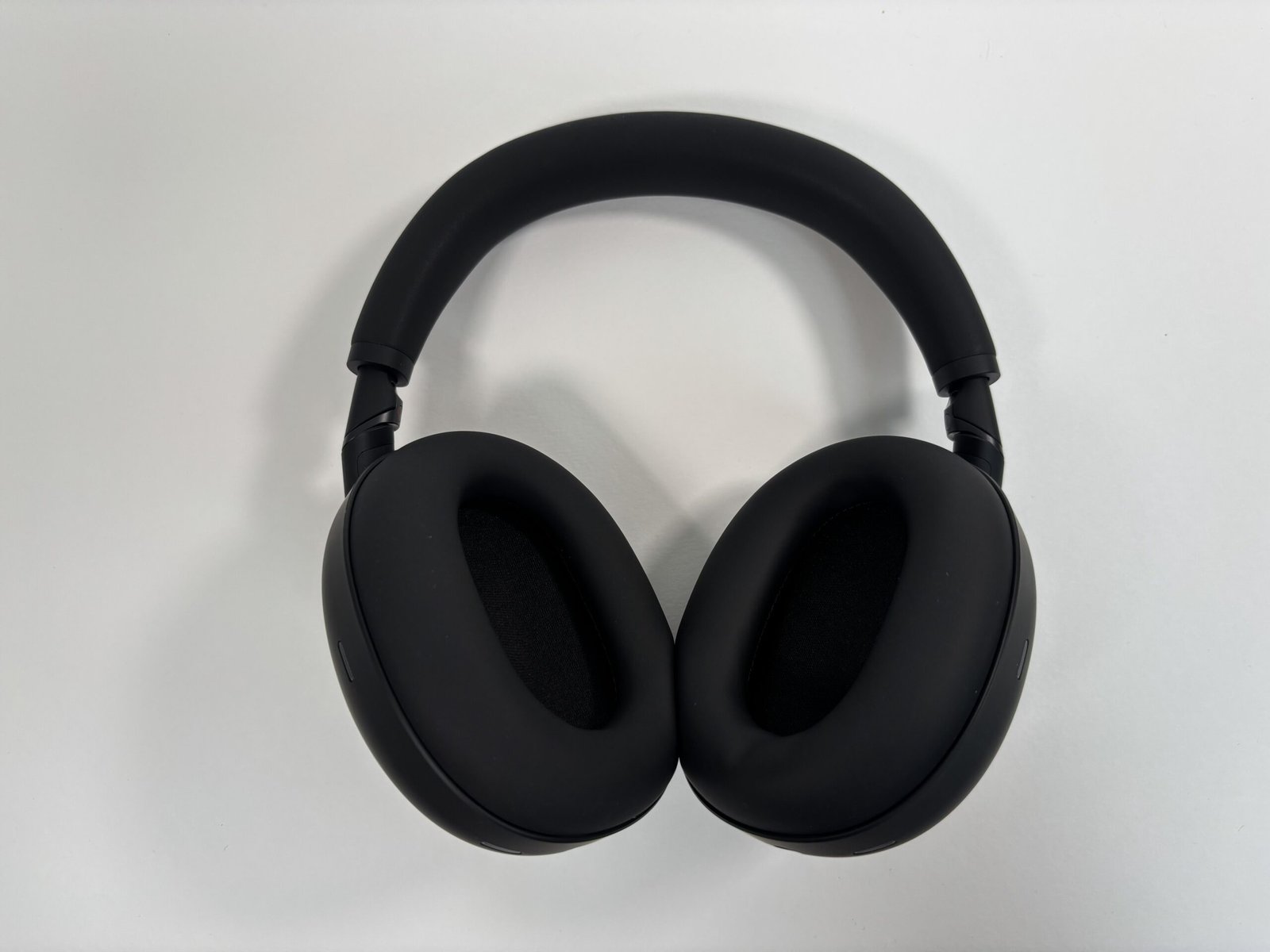
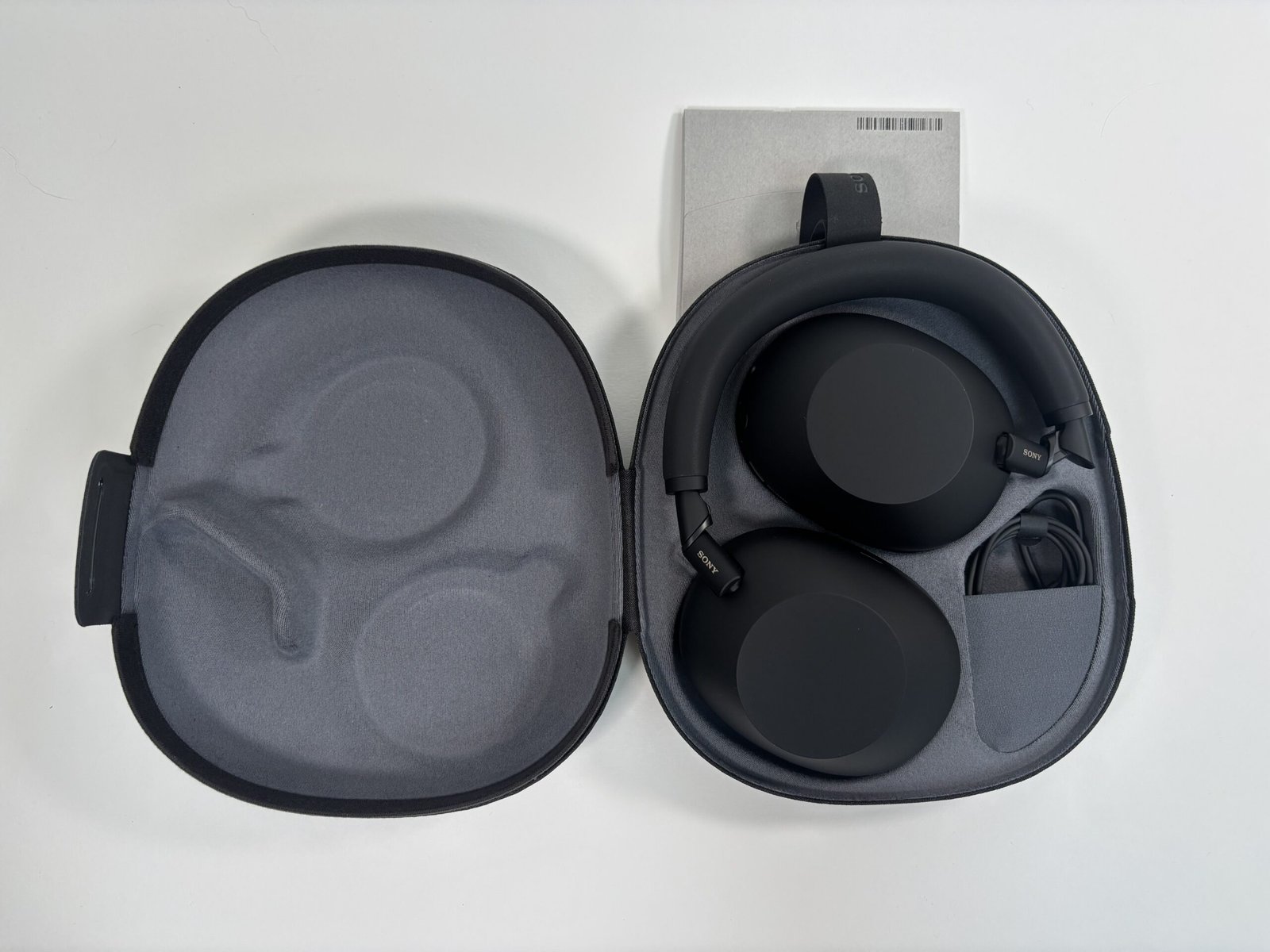
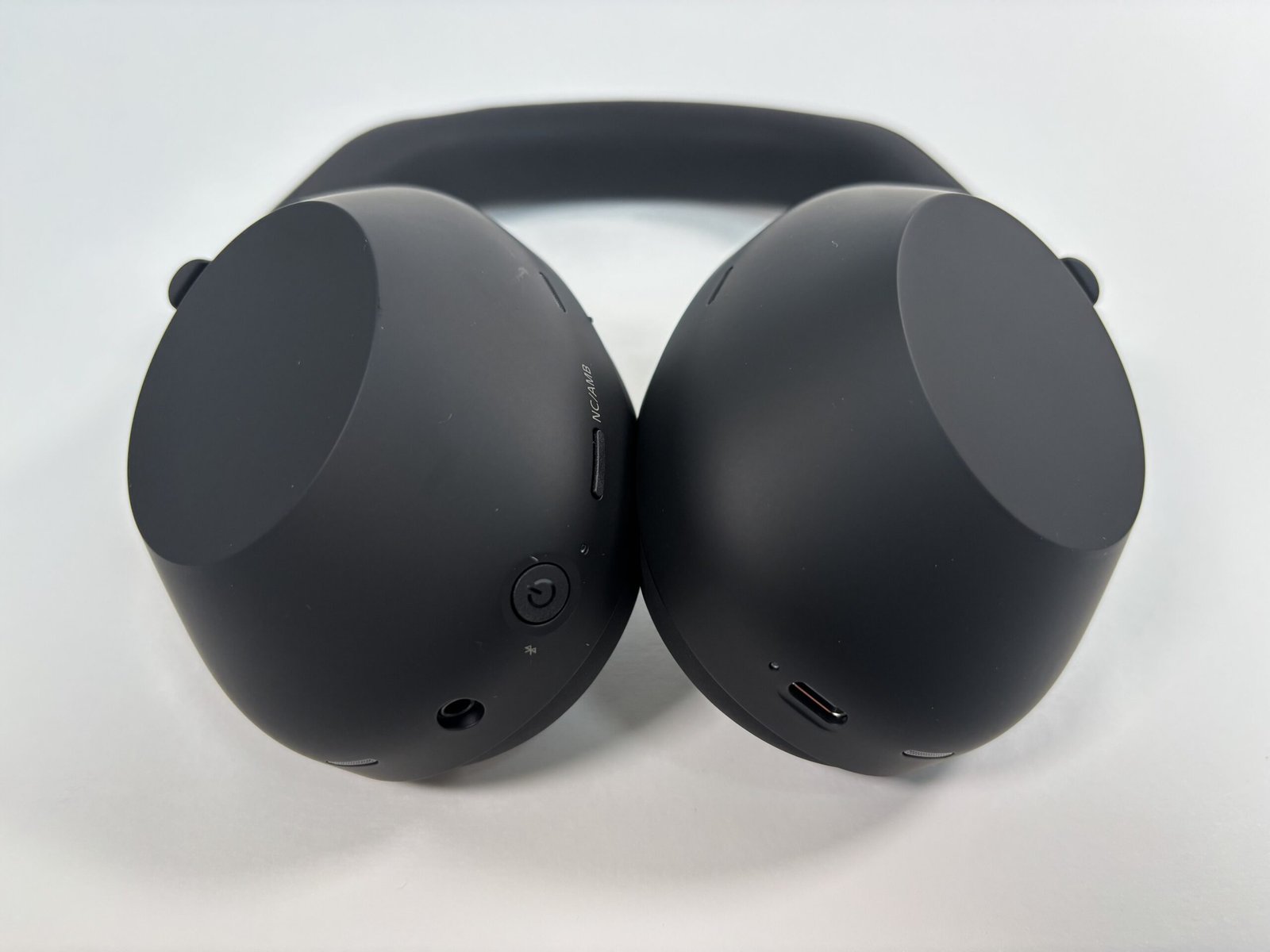
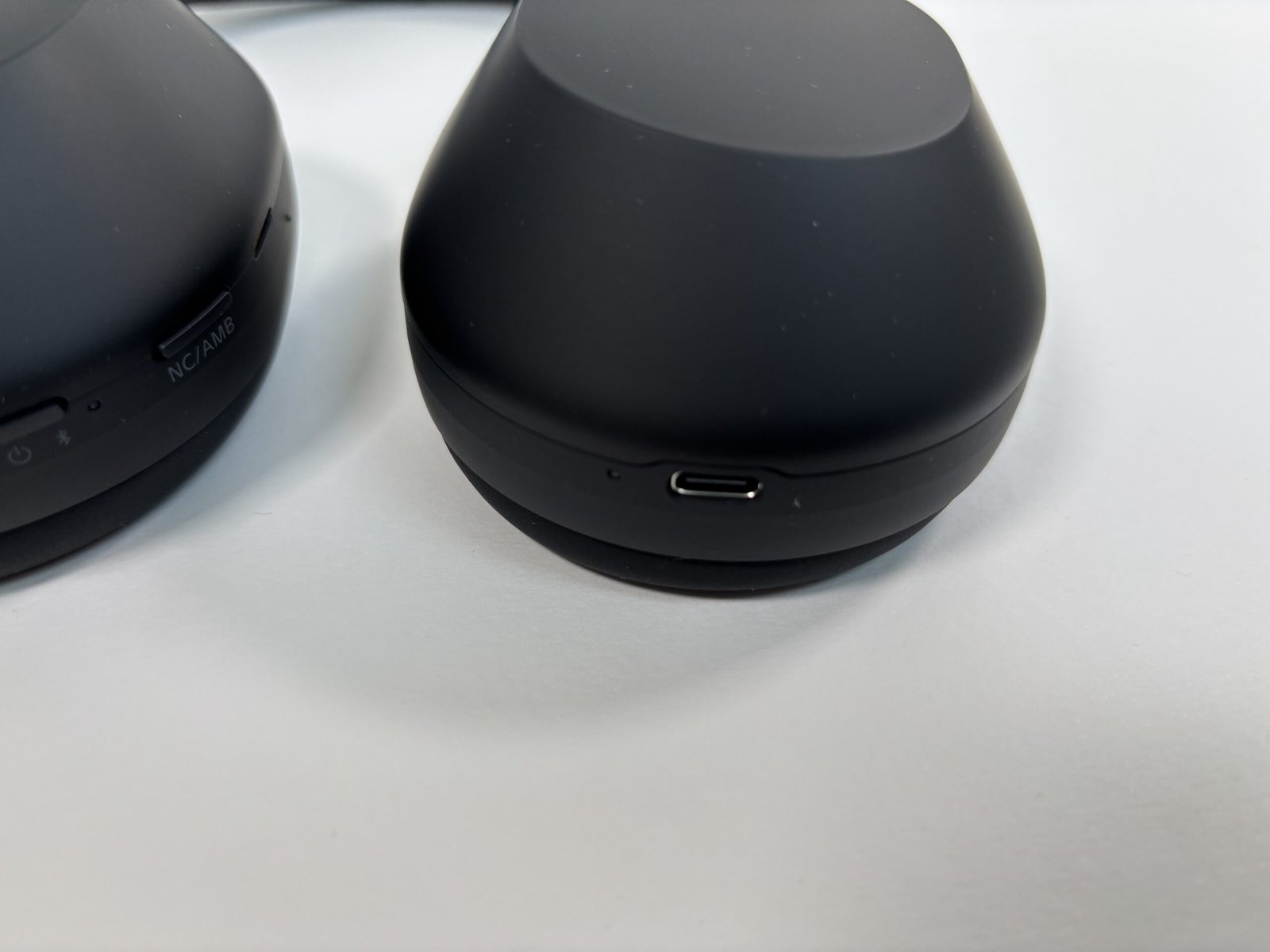
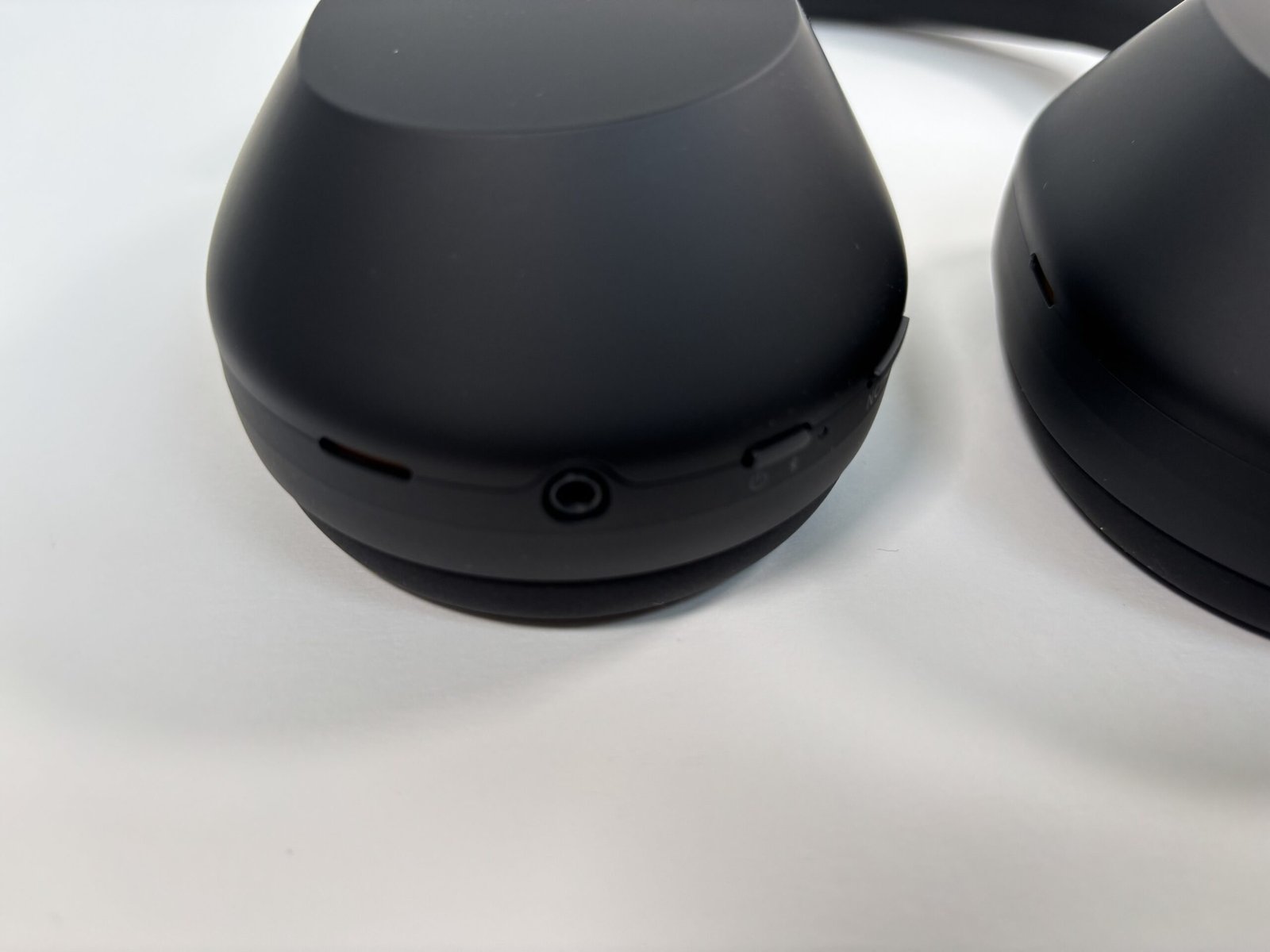
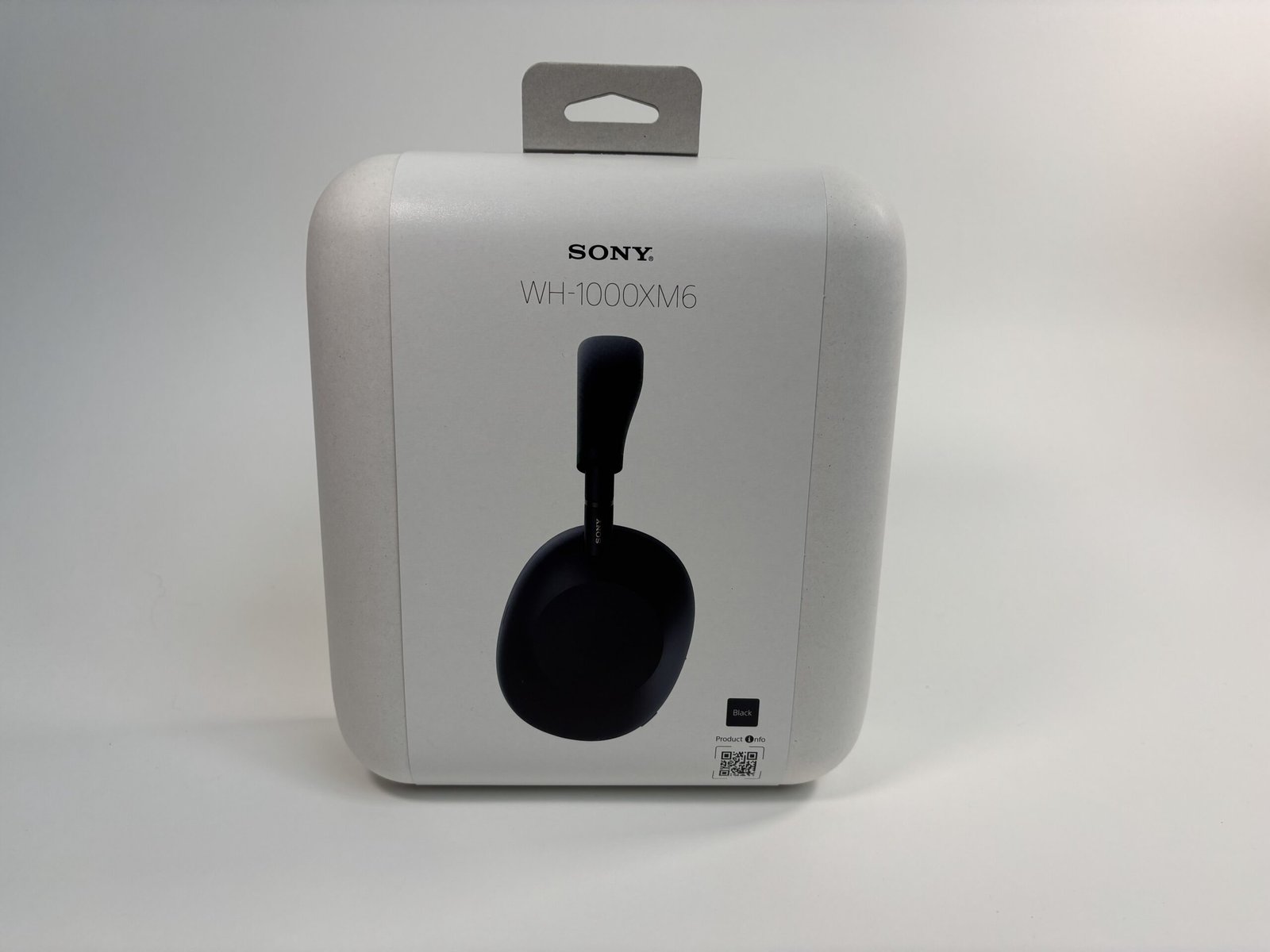
The unboxing
Field Trials
Real environments, real durations. The controlled results above are the evidence; this is how each product behaved in the rooms readers actually live in.
–Quiet RoomOverkill for a quiet room: the pressure, heat, and hiss cost more than the little noise there is to remove.open +close −
Pressure announces itself before the electronics do: even with ANC off there is a sense of the seal. Switching on brings fullness rather than pain, 2 of 5 at 15 minutes, building steadily to 4 by 90, at which point it is distracting if not painful. A hiss arrives at minute 5, like a distant squeal turned down, sitting somewhere behind the head. A faint heartbeat becomes audible, worth knowing if internal sounds are their own trigger; breathing reads slightly louder; own voice muffles without booming. Focus improved, with a caveat the notes put well: these introduce a sensory input suite of their own, and in a quiet room the trade is finely balanced. Taking them off, the room’s noises return as a comfort.
✓KitchenKettle to a whisper, extractor 95 percent gone, more of the washing machine removed than any rival or a silicone earplug.open +close −
ANC’s home ground, owned. A kettle at one metre dropped to a gentle wooshy whisper, stronger than the Bose Ultra or XM5 managed. The extractor lost 95 percent of itself. More of the washing machine went than with any rival, and more than a silicone earplug. At the table: soft chewing halved, crunching halved with the sharpest crack surviving, lip smacking three quarters gone, slurping cut by half. Pink noise at a third volume removed every single one. A dropped spoon lost a third of its clank with no pressure click, and a box fan aimed at the mics raised some noise but no glitch.
✓Open Plan OfficeKeyboards cut 80 to 90 percent and hubbub by 80; the open-plan result of the set, with pressure the only tax in louder offices.open +close −
The best room for this product. Keyboards cut by 80 to 90 percent, air-con to a trace, general hubbub down 80 percent. A colleague’s one-sided call halved but still hooked attention; pink noise removed it entirely, loud voices included. Short direct exchanges work with the cups on, and a button-press to Aware handles anything longer. Transparency mode is the honest weak spot: crispy, sibilance enhanced. In the louder of the two offices tested, pressure turned distracting after an hour.
–CommuteThree quarters of the rumble gone and no bump glitch at all; eardrum pressure reaches 3 of 5 by 30 minutes as the ANC works hard.open +close −
Three quarters of the engine rumble gone, the remainder arriving through the bus structure rather than the air. Announcements stayed intelligible with ANC alone. Other passengers softened by half, a phone playing out loud reduced to tinny top notes. And the finding that separates this product: no bump behaviour at all, on the route that forced an audible cutout from a rival flagship many times a minute. The tax is pressure: 3 of 5 by 30 minutes, rising with cabin noise, and after one 45-minute ride a headache around the ears followed removal. One occasion, reported as observed.
✓SupermarketVery useful for shopping in any state with music playing; cuts more of the fridge band and high woosh than the Bose Ultra.open +close −
A 70 dB shop became workable. Fridge hum cut 80 percent, checkout beeps by a third, tannoy still intelligible for safety. Trolleys barely moved. The notes call these very useful for shopping in any state, with one condition: play something. Removing the low rumble makes the store’s music more distinct, and on a depleted day that music is the enemy; a chosen track through the XM6 beat pink noise here, overriding the shop’s frequencies and restoring some control.
–Restaurant / CafeTakes the edge off the hardest room tested and covers more than the Bose; pressure verges on slightly painful past 30 minutes.open +close −
Sixty-eight decibels of hard surfaces, the hardest room tested. The hum and echo of the space lifted away; chewing nearby halved; cutlery kept most of its clatter with ANC alone. Pink noise changed the arithmetic: cutlery down 80 to 90 percent, music and talking gone entirely. Conversation beyond a short exchange means removing them. Two honest limits: this is not a recovery tool in a hostile space, too much still arrives, and past 30 minutes the pressure verged on slightly painful. Foam earplugs remain quieter here when nothing is playing.
Claims Checker
What the packaging says vs. what was found.
| The claim | Finding | Note |
|---|---|---|
| “Industry-leading noise cancellation” | ✓ holds | Strongest result of the four flagships tested, across nine tones and six environments |
| “Ultra-comfortable fit for all-day listening” | – partial | Plush materials and the most stable fit tested; also the firmest clamp of the four, hot ears within the hour, and eardrum pressure at 4 of 5 by minute 90 on the tested unit |
| “Redesigned foldable body for portability” | ✓ holds | Folds into a hard case the XM5 never matched |
| “Crystal-clear hands-free calling” | – partial | Call audio quality sits outside this investigation's sensory scope; what was tested is the wearer's side, where short exchanges work with the cups on |
How the Investigation Tests
Nine tones at three listening conditions, timed eardrum pressure scores, live trigger sounds, a balloon clamp proxy, and six real environments with logged noise levels. One tested unit, one pair of ears, methods disclosed in full: the ANC testing methodology.
Meet my assistant, Dr Watson
Tested on firmware 3.1.5. Behavioural claims are version-stamped.
July 2026 · Case file opened. First of four flagships tested under ANC protocol v1.
Case Conclusion
Who this suits, and who it doesn’t.
- The strongest cancellation of the four flagships tested, in tones and live rooms alike
- No ANC glitch over road bumps, wind, or door slams; the calmest electronics in the set
- No measurable seal loss with glasses in a 68 dB café
- Misophonia workhorse with a masking signal: every trigger tested vanished under ANC plus pink noise
- Keyboards cut by 80 to 90 percent; the open-plan office result of the set
- The most stable fit tested; folds into a hard case the XM5 can’t match
- Eardrum pressure builds early on and becomes pretty strong after 90 mins. This is even stronger in loud places
- Frequency sensitive people beware – the ANC produces a faint high squeal-like hiss
- The firmest clamp of the four; area around the ears carry it
- Hot, sweaty ears after an hour at a desk
- Chemical smell on pads and case at unboxing, fading but detectable at day 7
- Tap-tone chime makes every accidental knock of the cup an audible event
The XM6 cut more sound than the Bose QuietComfort Ultra 2nd Gen, the standard QuietComfort, and its own predecessor XM5 in every environment tested, held its seal even with glasses on. Its costs are real and they’re listed on this page: a firm clamp, warm ears, and an eardrum pressure that builds through a long session and grows with the noise the ANC is fighting. The XM6 cut more sound than the Bose QuietComfort Ultra 2nd Gen, the standard QuietComfort, and its own predecessor XM5 in every environment tested, and held its seal even with glasses on. But the trade off is real: a strong clamp, warm ears, and an eardrum pressure that builds through a long session and grows with the level of noise the ANC is fighting. If you are sensitive to eardrum suck, head pressure, this isn’t your headphone: the standard Bose QuietComfort holds the lowest pressure curve recorded in this investigation, and its case file is the one to read next.