Field Note: Earplug Investigation No. 2

Best Earplugs for Small Ear Canals: What Actually Seals

When relying on earplugs to manage sound sensitivity, it's crucial to get the right fit.

Single-reviewer anatomy. Tested personally, one canal, every product the same way.
Best Earplugs for Small Ear Canals: What Actually Seals
Fig. I. Acoustic technology can change from time to time.

Unlike height and weight, most of us pass through life without giving much thought to the size of our ear canals. Until the day comes you need something to fit precisely in them. You buy the earplugs everyone recommends. They arrive. One falls out on the bus before your stop, or the other won’t go in without a wince, or both sit there technically inserted while the world stays exactly as loud as before. The problem usually isn’t you. It’s the gap between a standard tip and a narrower canal.

WHY THIS EXISTS
THE TEST CONDITION

The investigator tests with a smaller-than-average ear canal. Every product was fitted, sealed, and worn the same way, for silicone devices – various tip sizes were tested until a seal was established.

WHAT NARROW CANALS CHANGE

Three things shift in a small canal: tips sized for an average ear bottom out before they seal, the canal flexes more with jaw movement so seals slip, and the same expansion pressure has less room to go. Fit, retention, pressure. Each one tested below.

THE MECHANISM

What a narrow canal does to a standard earplug

Most reusable earplugs ship in a single average size or a size run that starts too big. For a narrow canal that creates one of two failures. Either the tip is physically too large and never seats deeply enough to seal, so noise leaks and the plug works loose. Or the tip seals but the body behind it sits proud, pressing on the canal wall and building pressure that turns from “noticeable” to “need to remove” over half an hour.

Jaw movement makes it worse. A narrow canal changes shape more when you talk, chew, or yawn, so a seal that held while you sat still can break the moment you say something. Retention and seal are not the same test, and a small canal separates them.

The short version. For a narrow canal, the product that fits is rarely the one with the highest noise rating. It’s the one whose smallest size is genuinely small, whose body doesn’t crowd the canal, and whose seal survives a yawn. Three of the ten cleared all three. One never sealed at all.
CLEARED FOR SMALL CANALS

What fitted cleanly

These three seated, sealed, and held in a narrow canal without dislodging or building punishing pressure. Each carries a caveat. None is perfect.
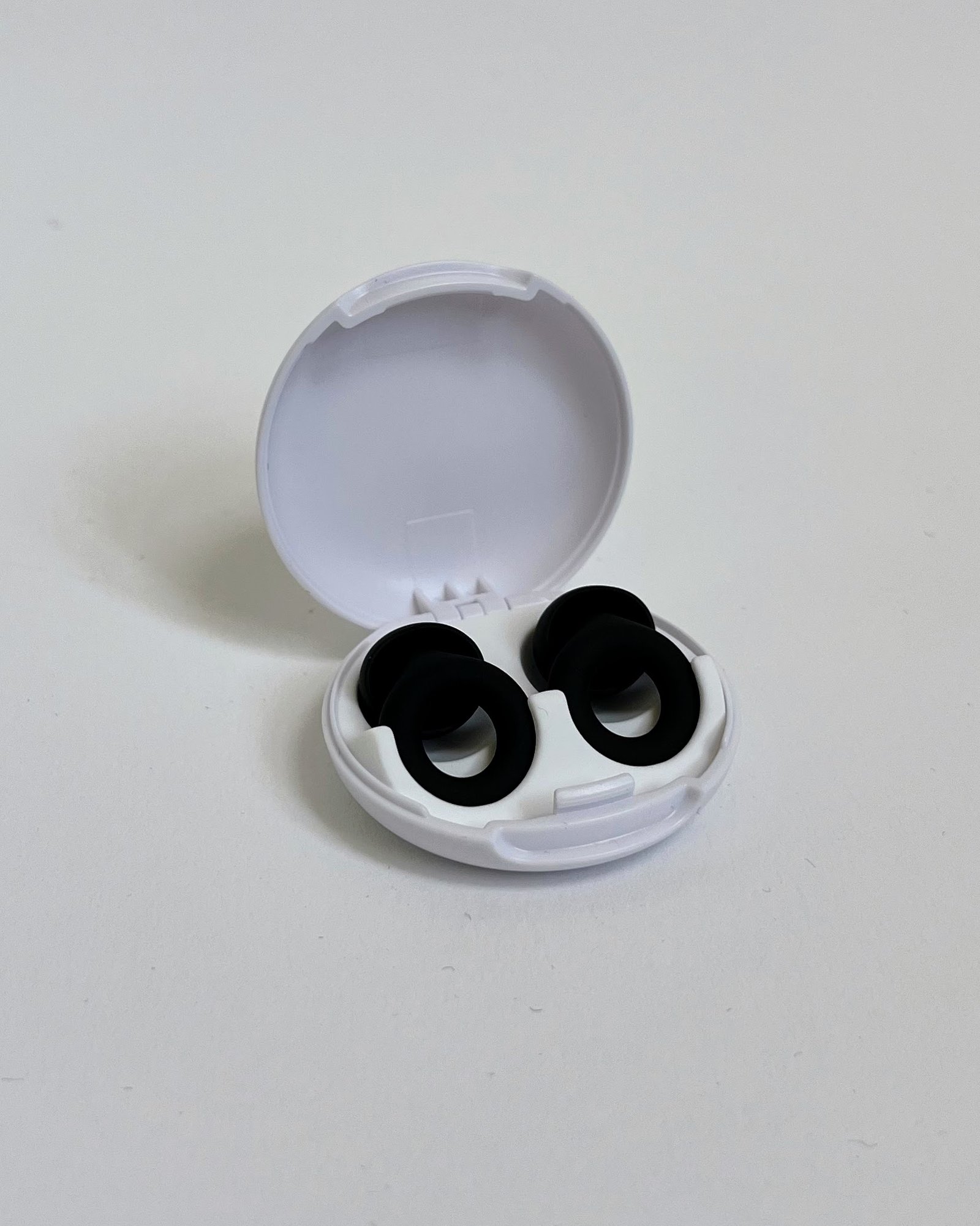
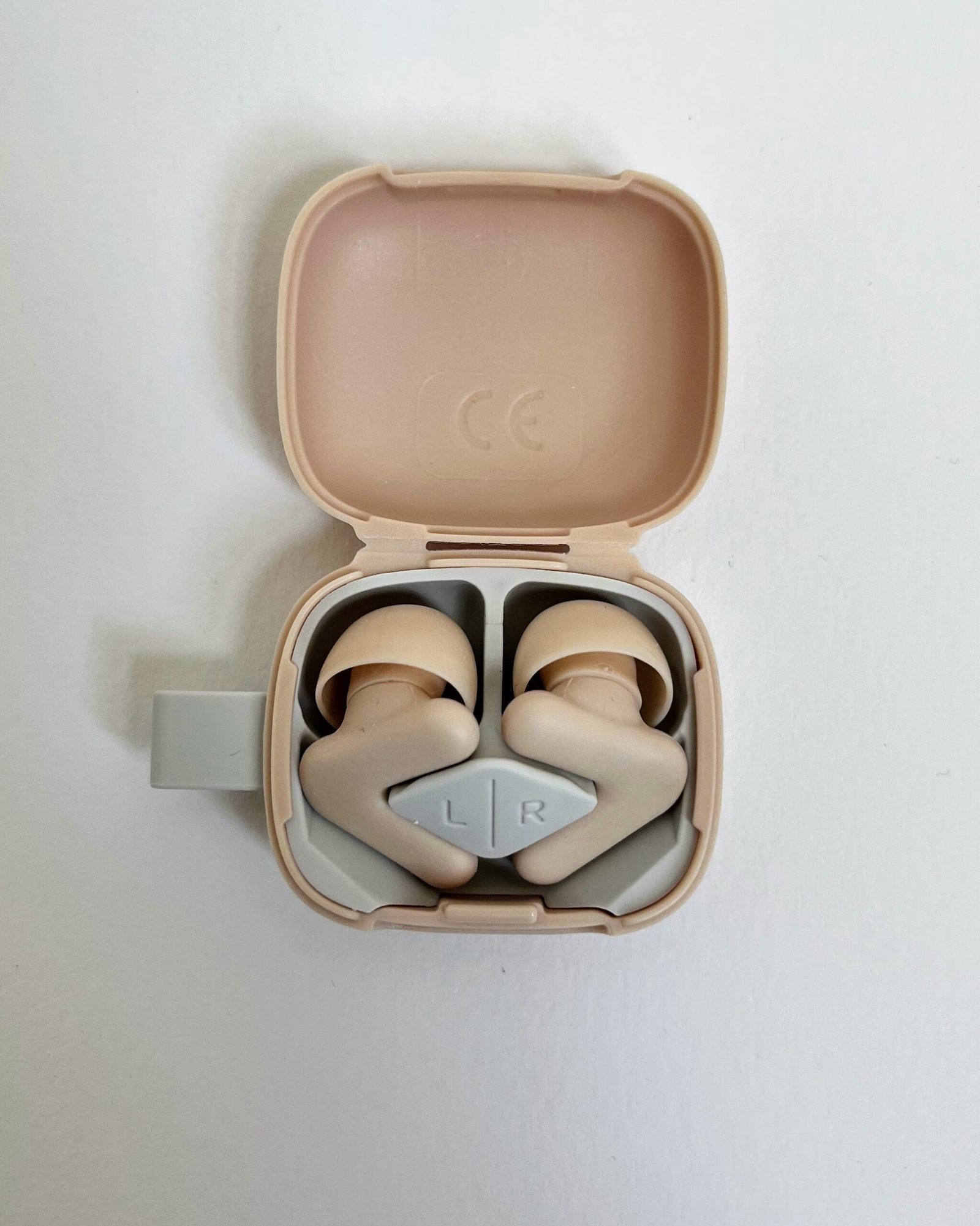
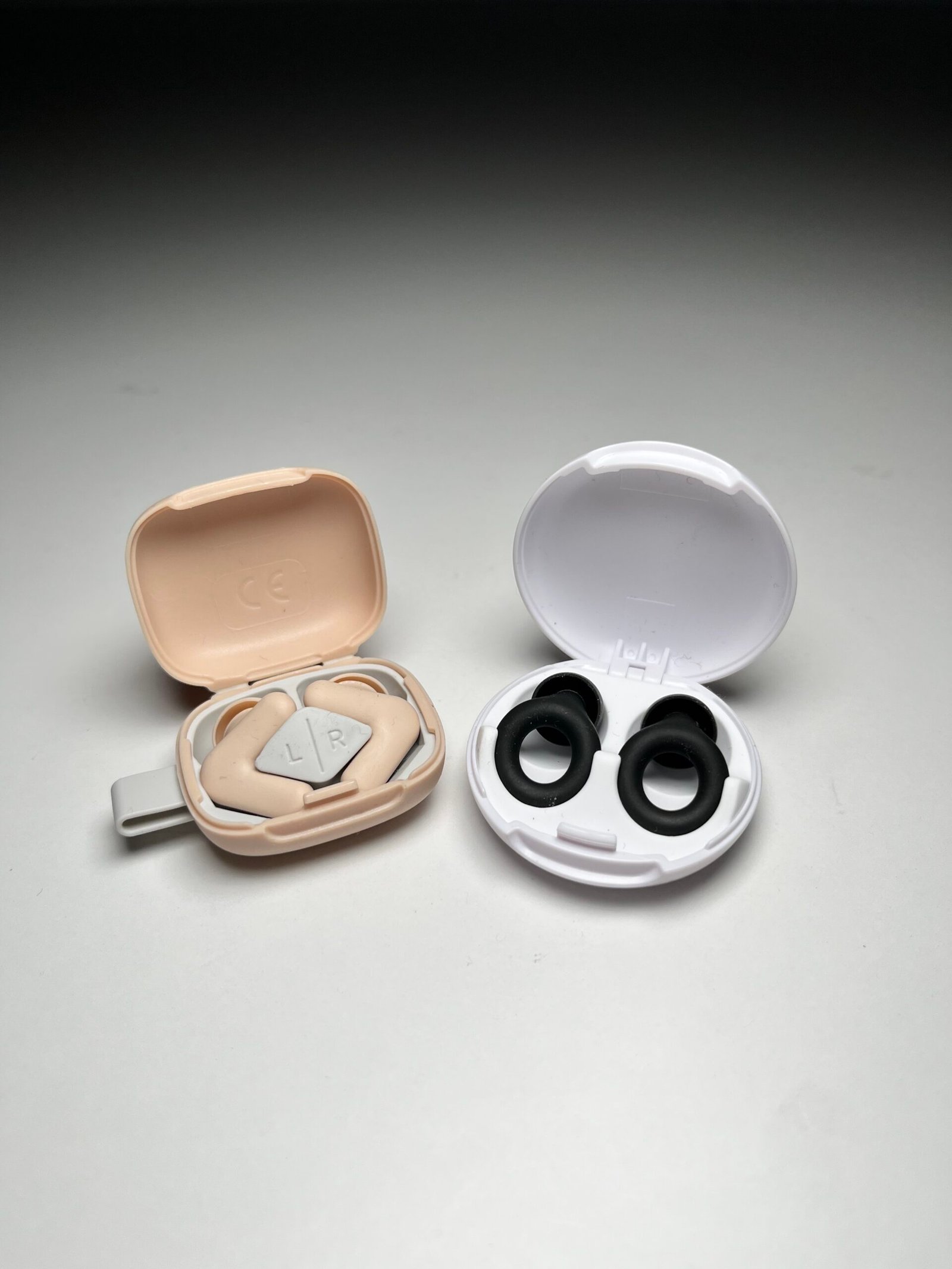
Loop Quiet 2 earplugs in their case, tested in a small ear canal

Loop Quiet 2

Best small size. The flexible stem the tip snaps onto bends in the canal, so the small tip seats snugly rather than fighting you. The XS tip read as the right size for this canal.

SEAL HELD ON JAW MOVEMENT: yes  ·  PRESSURE: builds slightly after 5 to 10 min  ·  OCCLUSION: strong

READ CASE FILE →

CAUTION – strong occlusion; own voice and breathing read loud
Alpine Silence earplugs and case, tested for small-canal fit

Alpine Silence

The XS tip sealed with no issue and the V-shaped outer wing sits comfortably against the outer ear. The hard plastic body inside the tip is larger than Loop’s, so it fits snugger and presses a little harder. The seal held through jaw movement.

SEAL HELD ON JAW MOVEMENT: yes  ·  PRESSURE: more internal pressure than Loop  ·  FIT NOTE: XS fits like a small

READ CASE FILE →

CAUTION – for the very smallest canals the XS may still read as a small
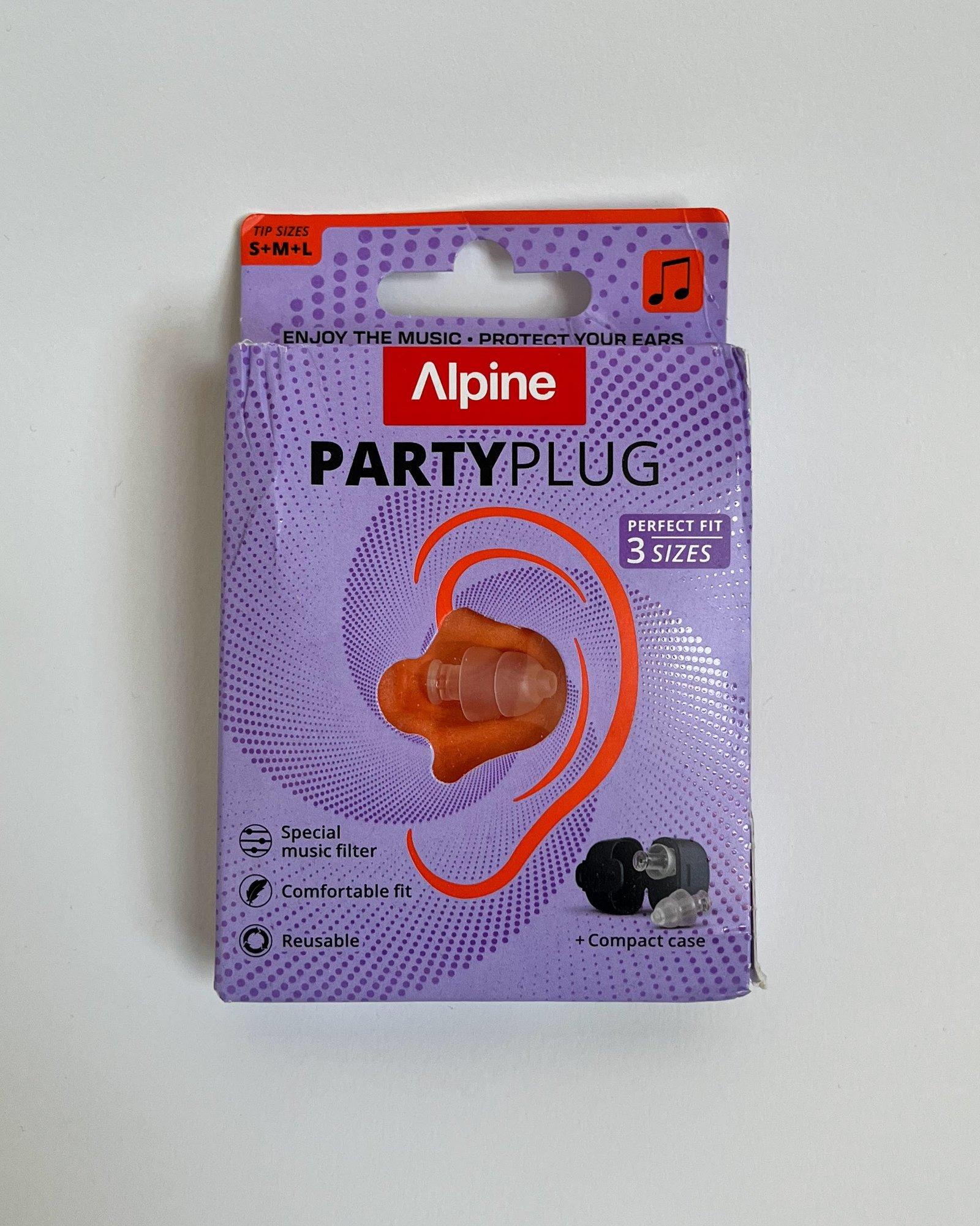
Alpine PartyPlug earplugs, tested in a narrow ear canal

Alpine PartyPlug

The small tip worked fine. Seating took some twisting and pushing, but once in, the seal held through jaw movement and there was no occlusion penalty. Pressure stayed mild and only crept up slightly as the material warmed.

SEAL HELD ON JAW MOVEMENT: yes  ·  PRESSURE: mild, warms snugger  ·  OCCLUSION: not present

READ CASE FILE →

✓ CLEARED – easiest of the three to live with, lighter attenuation
FIT, WITH A CATCH

Seated, but with a catch

These reached a seal in a narrow canal, but each came with a fit problem worth knowing before you buy.
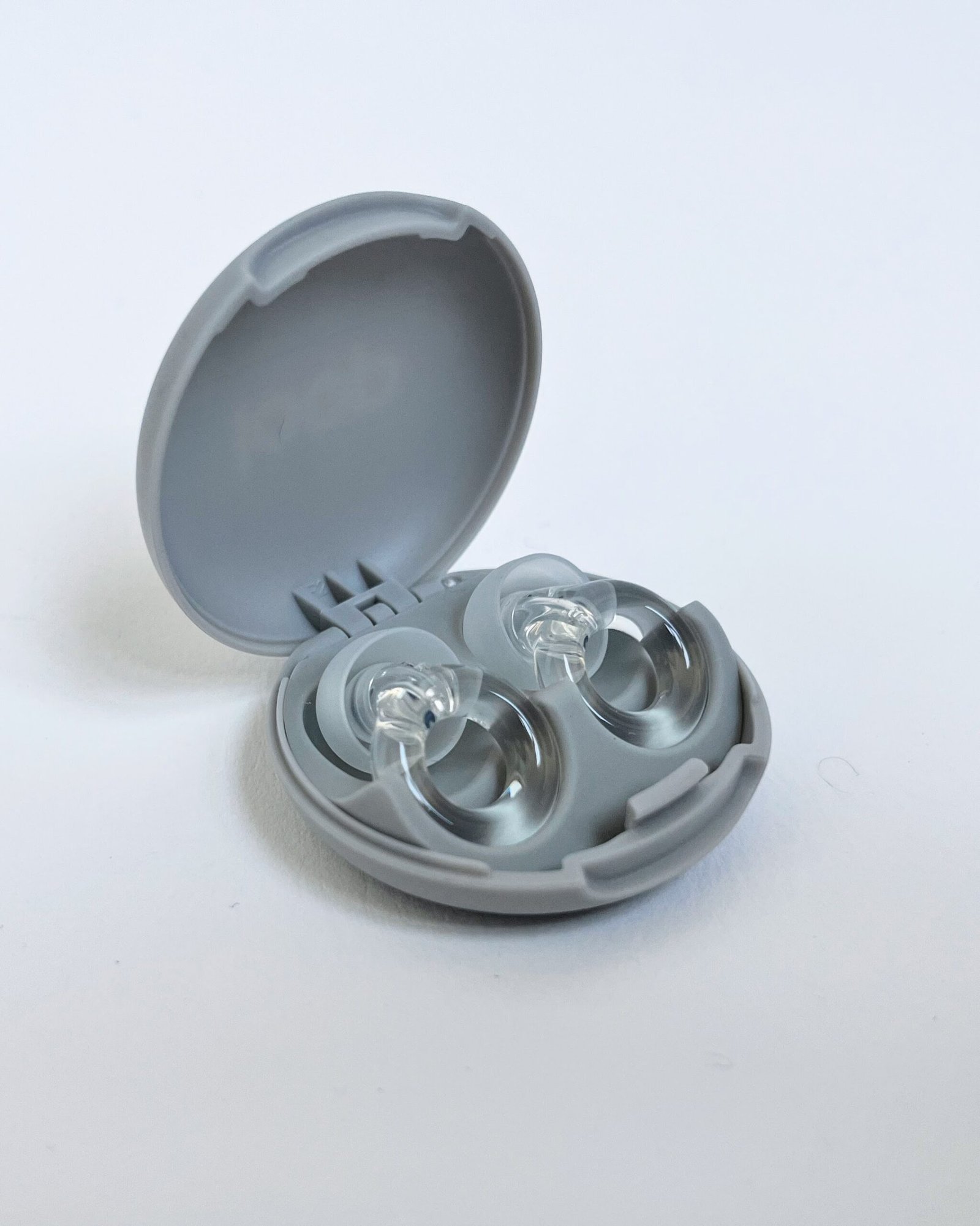
Loop Engage earplugs, small-canal fit note

Loop Engage

The XS tip went too deep. The small tip seated snugly with a good seal and no jaw slip. So the fit is there, you just may need to size up from the very smallest tip rather than down. These are a conversation-and-focus tool, not a deep-silence one.

READ CASE FILE →

CAUTION – XS too deep; use the small tip
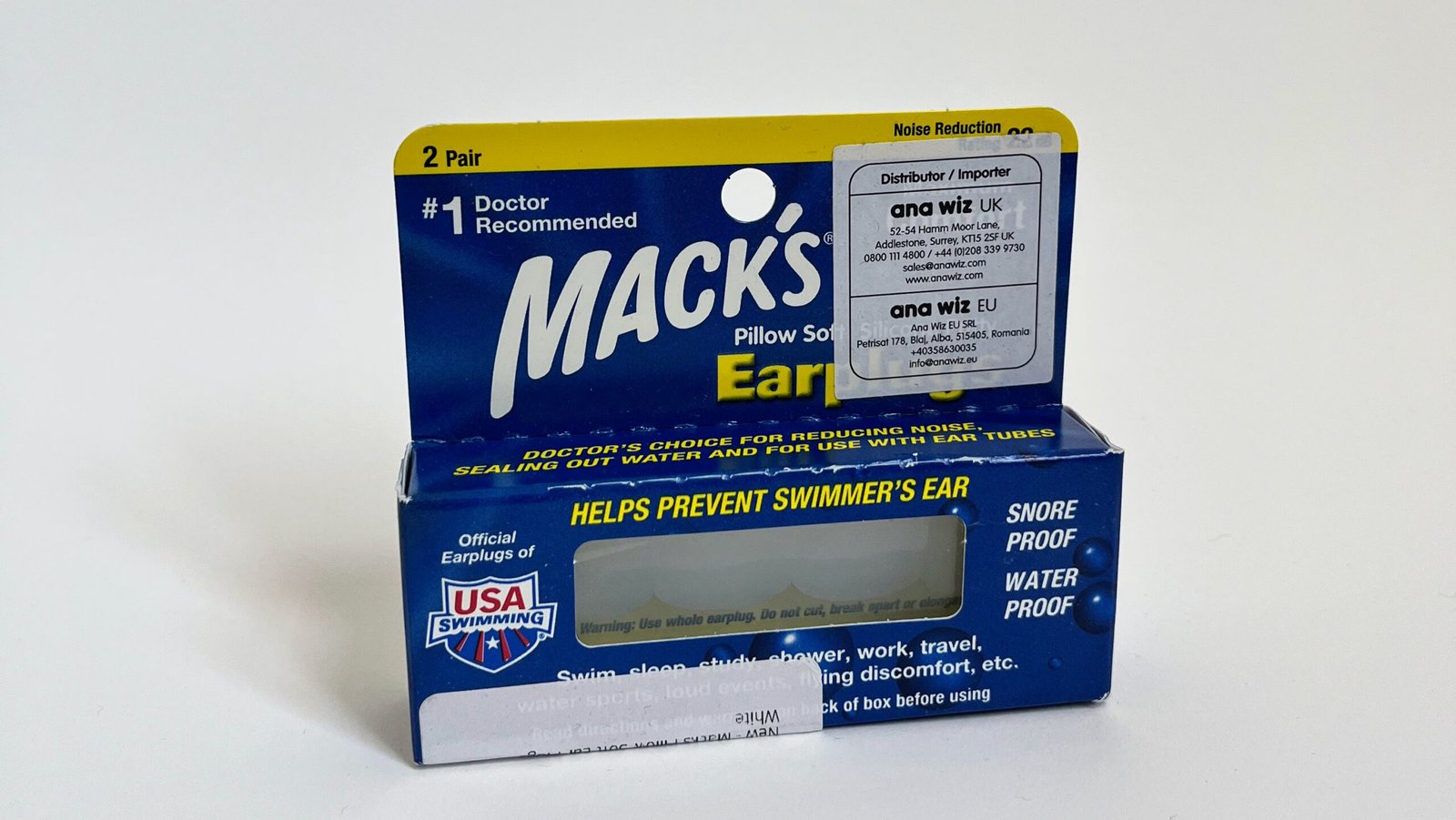
Mack's Pillow Soft silicone putty, an outer-ear seal option for small canals

The outer-ear option: Mack’s Pillow Soft and Ohropax wax

Neither goes into the canal. Both mould over the entrance instead, which sidesteps the canal-width problem entirely. For users who have found one of the brands above to be too large even at the smallest tip size, a silicone-putty or wax product is the route that doesn’t care how narrow you are.

WAX VS SILICONE, TESTED →

CAUTION – strong occlusion; not in-canal, so retention works differently
FLAGGED IN A SMALL CANAL

What didn’t hold

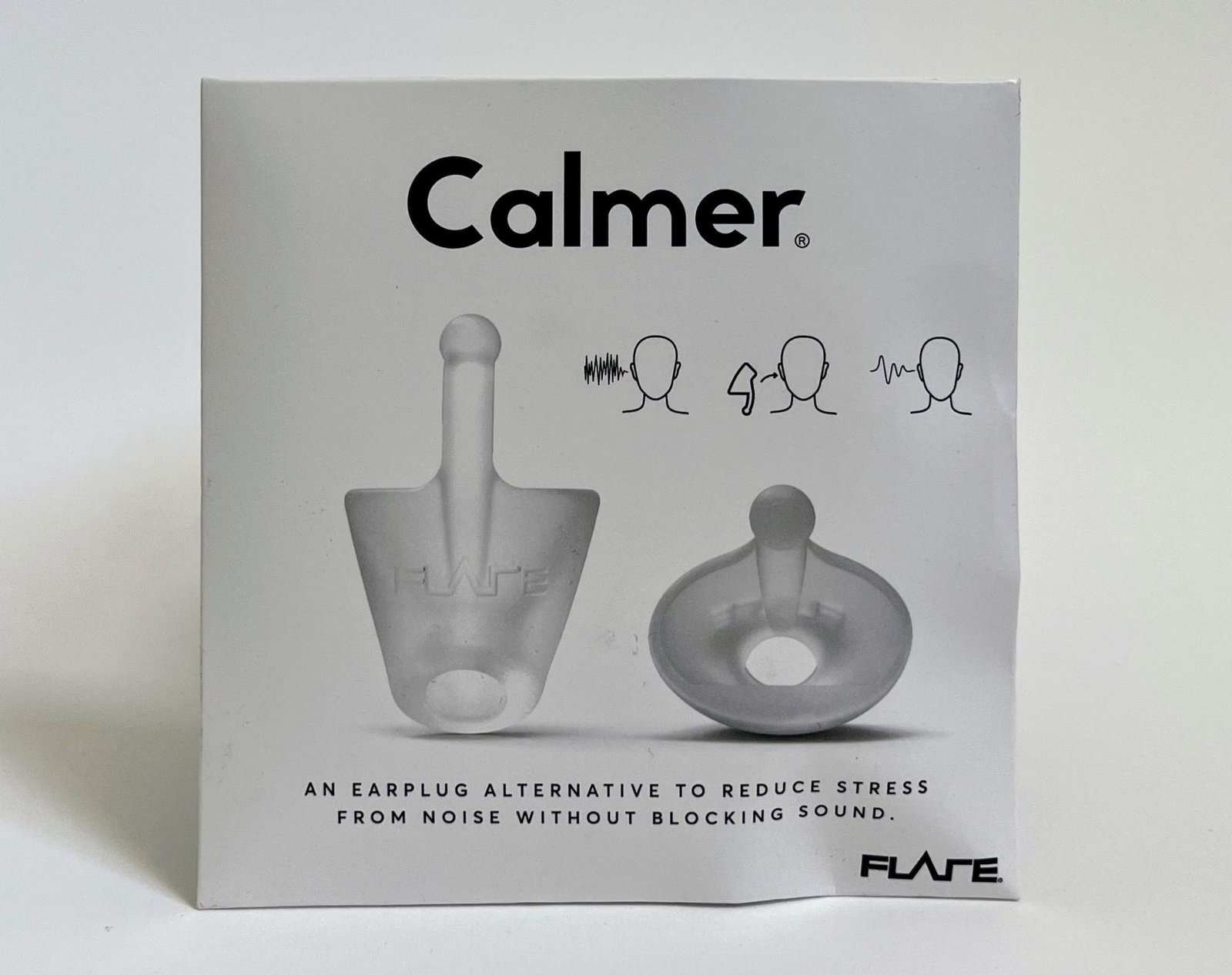
Flare Calmer earplugs, which dislodged in a small canal during testing

Flare Calmer

The standard size was too large to seat or seal in this canal. The Calmer Mini fit and inserted easily, but in my testing one of the pair worked itself loose in several live environments, sometimes without my noticing until I checked with a finger. For a narrow canal where retention is the whole game, that’s the wrong failure. The 10db and 15db filters also caused these silicone devices to become uncomfortable which is worth noting. I’m describing one reviewer’s tested experience in one set of ears, not a universal claim.

READ CASE FILE →

✗ FLAGGED – standard size won’t seal; Mini dislodged in testing
THE FINDING

The small-canal finding

For a narrow canal, sort by fit first and noise rating second. A flexible-stemmed silicone tip in a genuinely small size (Loop Quiet 2) gives the cleanest in-canal seal. A snug-bodied flanged plug (Alpine Silence, PartyPlug) works if the smallest tip is small enough for you, with a little more pressure as the trade. And when every in-canal tip fights back, a moulded outer-ear seal stops fighting the canal altogether. Fit is only half the story; the other half is how the seals compare across the frequency range.

If you’re buying one thing. Start with Loop Quiet 2 in the XS tip for general daily noise. If the XS still bottoms out, you have an unusually narrow canal, and the moulded outer-ear route (silicone putty, then wax) is the surer bet than any in-canal plug. Avoid relying on a plug whose smallest size only just reaches a seal, because in a small canal “just sealed” becomes “fell out” the first time you talk.