
No sponsorship, no freebies. Links here earn a small commission at no extra cost to you, which keeps the investigations independent. More info
Noise Cancelling Headphones for Misophonia: What Four Leading Models Actually Blocked
Four leading noise cancelling headphones tested against 8 of the most common trigger noises.
Tested personally by an autistic, sound-sensitive reviewer. Every product purchased, nothing sponsored or gifted.
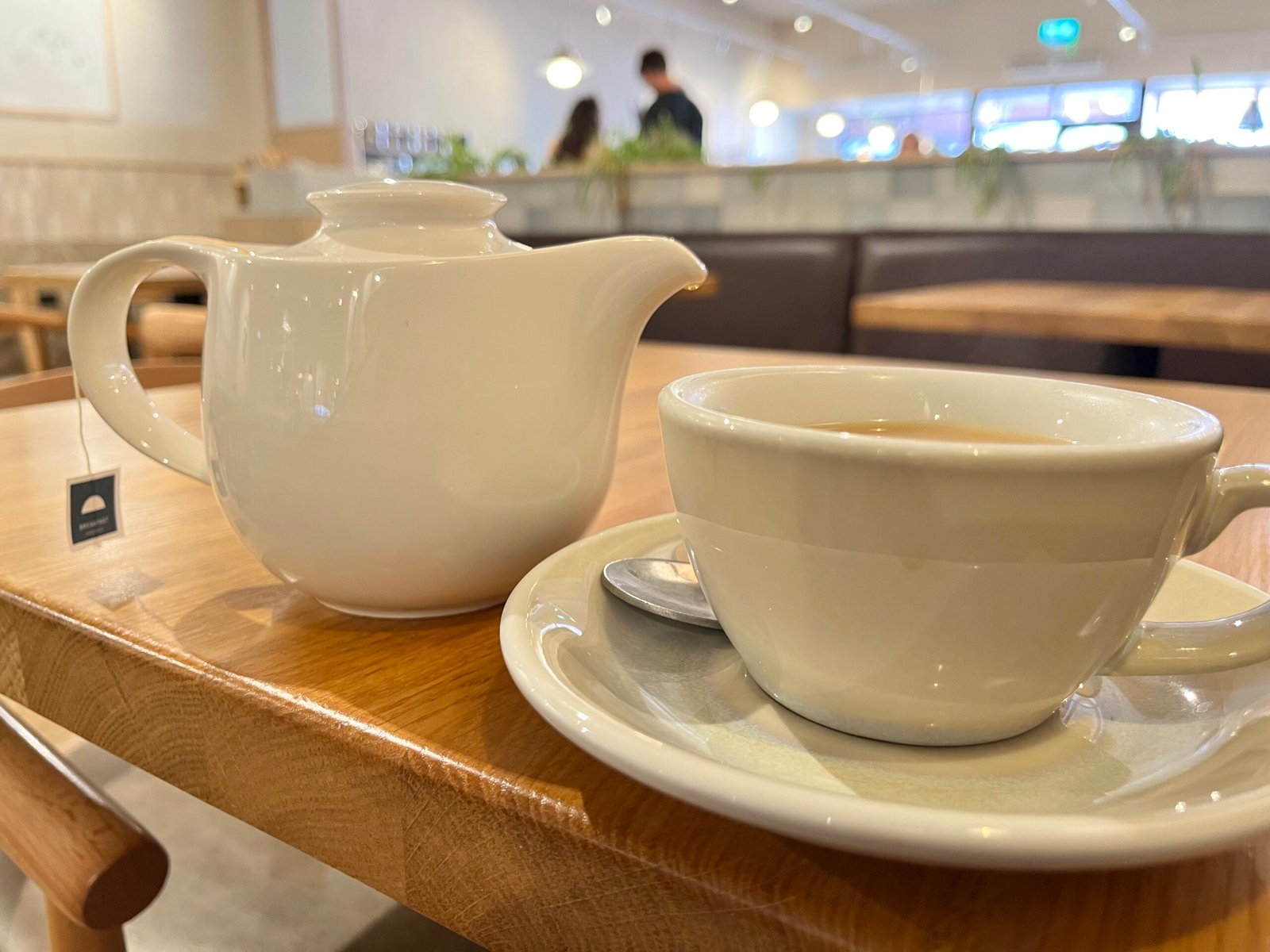
The sacrifices we make in the name of science. Live testing for this investigation was conducted in what is probably the noisiest cafe known to human kind. Think pastries with a side order of cacophony. Think prison cafeteria charm. With the super uncomfortable fake scandi furniture, these hours spent testing was awkward on the bottom but that discomfort paled by comparison to that felt by my ears. The perfect testing environment, guaranteed to provide the worst possible of all mouth and eating noises to test these ANC Headphones with.
Eight trigger sounds were tested (the ones people complain about most) measured in a home kitchen, cafe, or in an office. Each headphone was tested with noise cancellation setting, with cancellation AND a pink noise playing, with cancellation AND music playing. Plus nine steady test tones were tested per pair, to show which frequencies each headphone is best able to block.
A reviewer who isn’t bothered by lip-smacking can’t tell you whether a pair removes it. Other sites never bother to test for this. The main reviewer is both autistic and misophonia noise-sensitive. Big time.
One reviewer, one head, one pair of glasses. Trigger responses are personal. A sound that ruins a meal for one person might be normal background to another. We can’t all filter this stuff out.
Which pair, for which triggers
The central conclusion from this investigation, to date, is that regardless the headphone brand, you need a masking signal playing (music, or pink noise) if you are really serious about ZERO misophonia.
The detailed findings below reveal how each model performs with specific misophonia noises in various states. There are real differences!
CAVEAT Sometimes when we are already in a state of sensory overload, the last thing we can handle is more music or pink noise. If you are unable to take any more input, a headphone playing pink noise is probably the last thing you need. Reader beware, there’s an alternative in the occlusion section below.
Eating sounds: cafés, the dreaded family meal
Often the hardest environment. Chewing, slurping, lip-smacking: all wet, all disgusting. The chart shows how the four headphones block out these trigger frequencies. The green looks encouraging until you reach the real-speech column on the right.
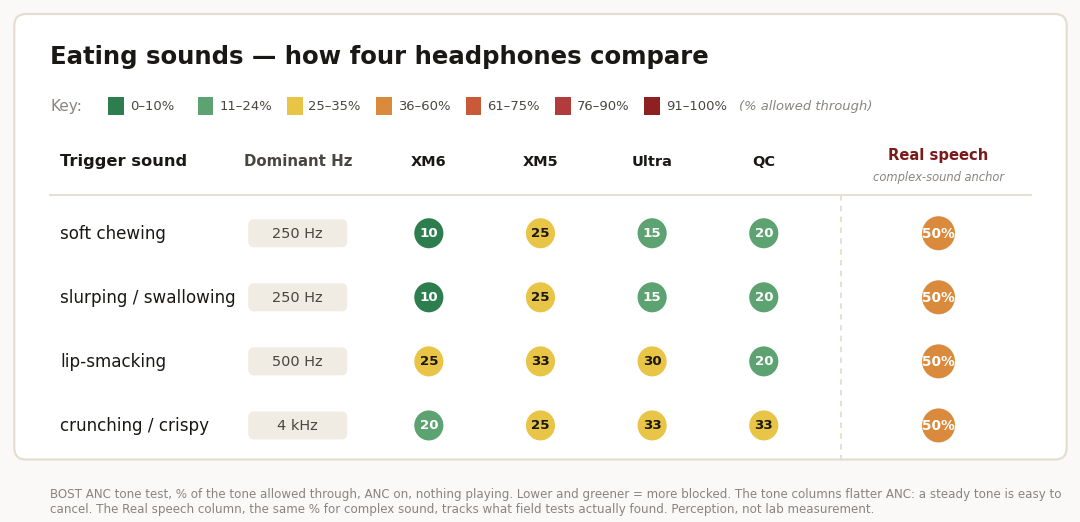
In the test environment nearby chewing was halved on the XM6 and the XM5, two thirds gone on the Bose Ultra 2, halved on the standard Bose QuietComfort. Halved is not gone. Half a chewing sound at the next table is still a chewing sound, and for many trigger-attuned listeners this probably means the whole problem is still present, just at lower volume. Note that a foam earplug, tested in the same café, cut more of the din than any headphone here, so if pure silence at the table is the goal rather than a masked room, the earplug findings are the ones to read.
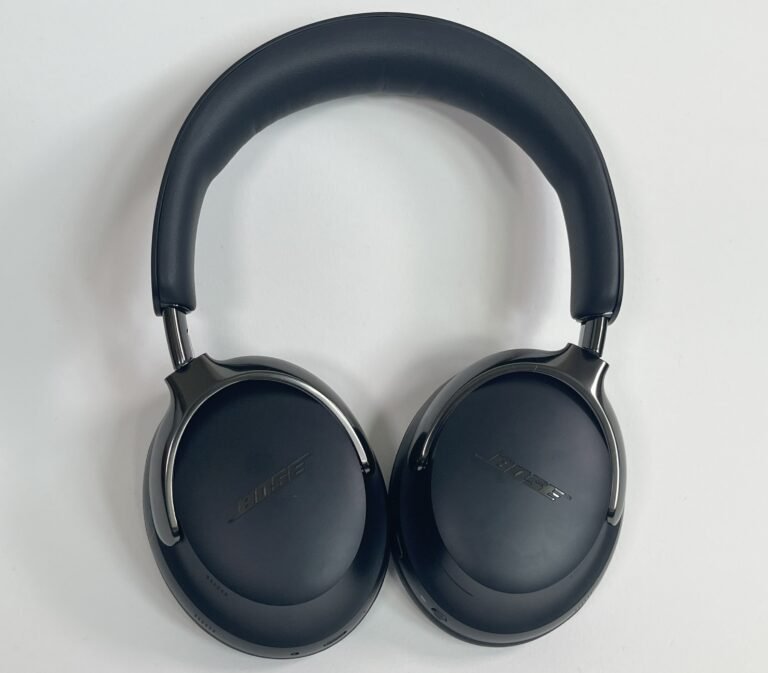
Bose QuietComfort Ultra 2nd Gen
Of the four, the Ultra removed the most eating sounds: 2/3 less crunching. But it’s a Caution here, not a Cleared, because two thirds isn’t silence.
Full case file →Office sounds: keyboards, pens courtesy of the desk next to yours
Office triggers are typically from frequencies which are higher and sharper than eating sounds, and this is where cancellation does its best work. Keyboards especially: a repetitive mid-frequency clatter that the electronics handle well.
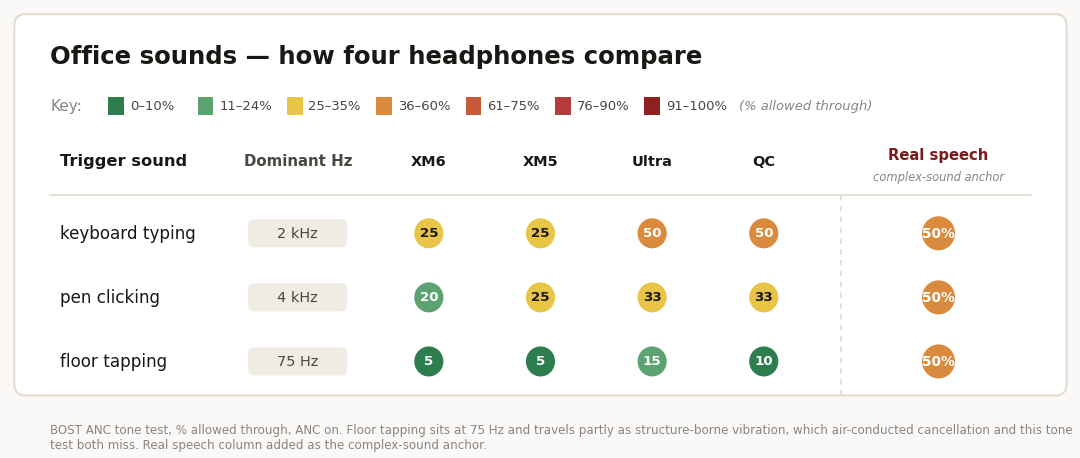
Keyboards came back 80 to 90% gone on the XM6, two thirds on the other three. That’s the best misophonia cut in this investigation. Pen clicking was not filtered as well by any model, halved at best, because a click is a sudden transient and sudden is exactly what cancellation software can’t predict. Floor tapping was barely removed, because at 75 Hz it’s coming up through the floor into your body, not through the air.
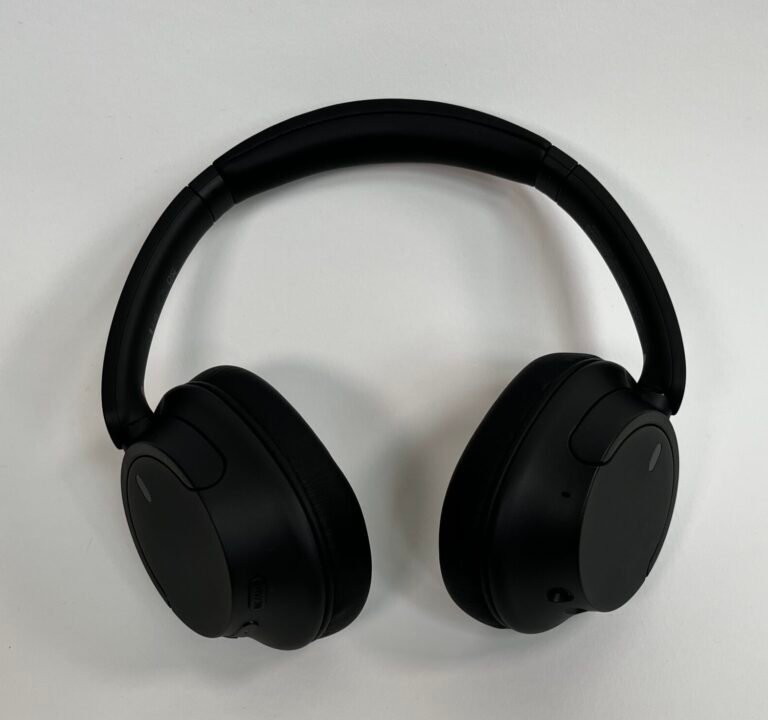
Sony WH-1000XM6
A clear winner. Best on keyboards, best on general office hubbub, and the only pair with no audible hiss in a quiet room, which matters at a silent desk more than anywhere. It charges the eardrums hardest of the four, so if pressure is your issue read that section of the case file, but for cutting the office down while you work, this is the one.
Full case file →Body sounds: sniffing, breathing, throat clearing
The most relational triggers, often a specific person at close range, and acoustically the most stubborn. Sniffing and breathing sit at 125 Hz exactly where a small seal and a bit of cancellation help least.
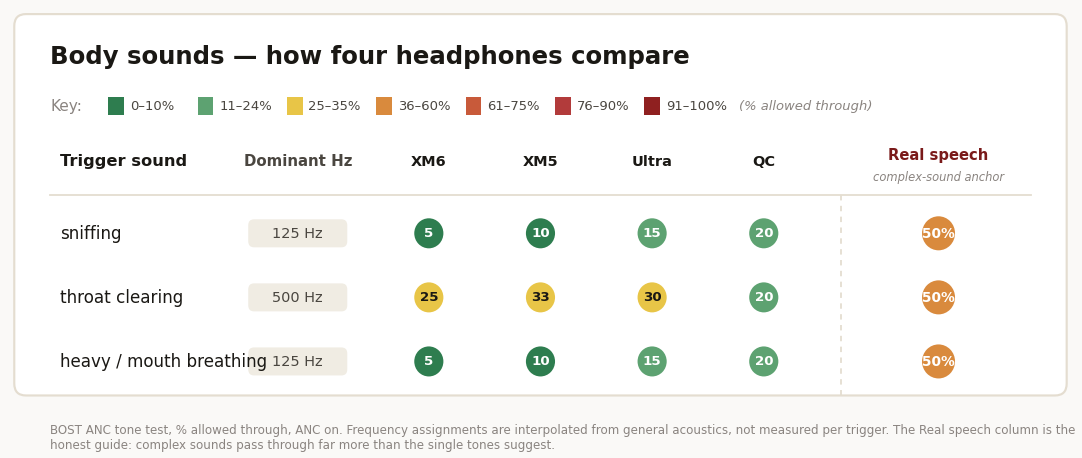
Sniffing and throat clearing came back about a third down on cancellation alone, across all four pairs. Meaningful, not transformative. And there’s a limit no headphone crosses: when the trigger is someone just a metre away, the reaction is known to be partly about who’s making the sound, not just how loud it is. Acoustic attenuation lowers the volume but it doesn’t always change our response. This is why playing a masking noise (music or pink noise) can better work as they replace the sound with something you’ve chosen.
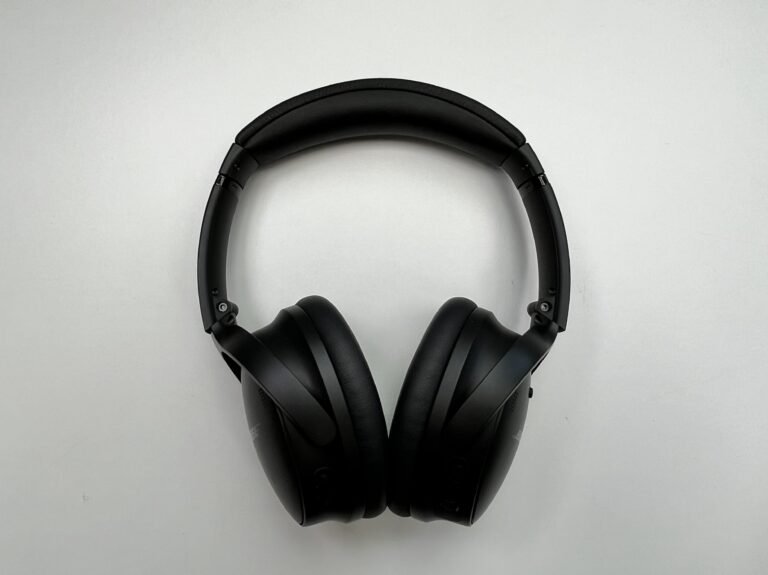
Bose QuietComfort standard
For body sounds the pick isn’t about cancellation, since all four land in the same third-less range. Instead you might consider a model that is good at masking while not introducing other common headphone issues (a high pitched hiss or ear pressure for example). With this considered, this pair offer the faintest self-noise, the least of your own breathing returning under the seal, and it’s the cheapest. Play a soft signal through it and the sniffing next to you is gone.
Full case file →External triggers gone, new ones appear
When a product seales air around your ear, you hear new ‘occlusion’ noises instead. Clamp a cup over the ear and your own chewing, footsteps and voice come back altered, conducted through the skull rather than the air. For anyone triggered by their own sounds as much as other people’s, this decides the purchase, and here the cheapest pair wins outright. The occlusion effect explainer covers the mechanism.
| Own sound | Sony XM6 | Sony XM5 | Bose Ultra | Bose QC |
|---|---|---|---|---|
| Own chewing | Crisp sounds through the skull, amplified | Crisp sounds through the skull, amplified | Soft and crunchy chewing both amplified | Barely louder, very modest |
| Own voice | Muffled, different enough to distract | Muffled, not boomy | Muffled, not boomy | Muffled, not boomy |
| Own footsteps | A dull thud, less boomy than earplugs | A dull thud, less boomy than earplugs | A thud through the body, less than wax or foam | A medium thud, less than the Sonys |
| Knocking a ear cup | A loud tap plus a chime that can unpause a track | A tap tone plays, irritating on a knock | A medium thud, not too jarring | A thud, no repeated tone unlike the Sonys |
The standard QuietComfort seals least firmly, so least of your own body comes back at you: barely-louder chewing where both Sonys amplify it through the skull. And the two Sonys play a touch tone when you knock the cup, a small thing until it happens mid-meal. If your own sounds are part of the picture, this table matters more than every chart above it.
The whole page, in four lines
Sony WH-1000XM6
Only pair to do useful work across all three trigger groups with nothing playing, best on office noise, and the only one with no audible hiss.
Full case file →Bose QuietComfort standard
Masking flattened all four to the same result, so the cheapest wins. Faintest self-noise, least of your own body under the seal, gentlest sustained pressure.
Full case file →Bose QuietComfort Ultra 2nd Gen
Best single trigger result on the page, and two thirds off crunching.
Full case file →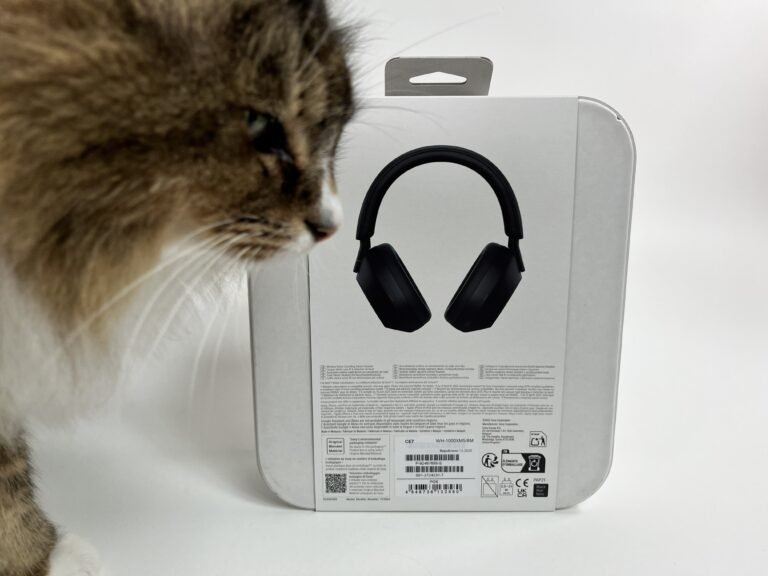
Sony WH-1000XM5
Weakest of the four on trigger sounds. A quarter off soft chewing, a third off most of the rest, and on lip-smacking no change I could detect at all. As a misophonia tool bought on cancellation, this reviewer wouldn’t choose it.
Full case file →Scope. One reviewer, one head, one pair of glasses, single sittings on several tests. Trigger responses are personal. A measured starting point, not a diagnosis. BOST tests consumer products and is not a medical provider.
Eight live trigger sounds played to a real ear at conversational distance, each tested three ways: cancellation alone, cancellation with pink noise at a third volume, cancellation with music. How the investigation tests ANC headphones →