
No sponsorship, no freebies. Links here earn a small commission at no extra cost to you, which keeps the investigations independent. More info
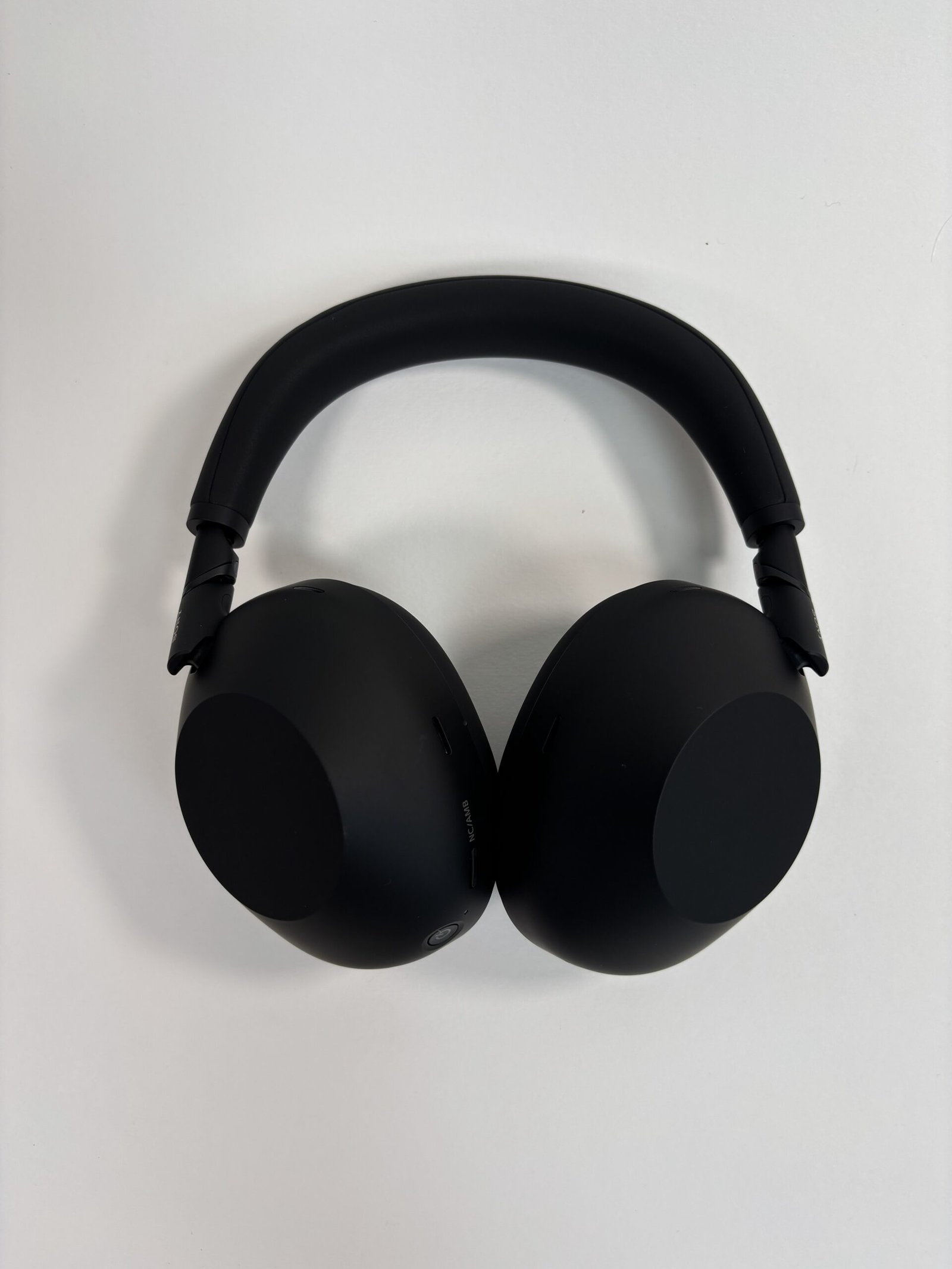
Sony XM6 vs Bose QuietComfort Ultra: The Sensory Test
Two leading headphones head to head and ear to ear. The Sony wins, and not for the reason its marketing gives you
Independent testing · Both units purchased, not gifted · One reviewer, glasses on
Both manufacturers claim best in class noise cancelling, premium build, ultimate comfort. Looking at online reviews in autism and sensory senstive forums, it became clear to this autistic reviewer that the engineers don’t always design for the things that matter to some of us…
Sony XM6 or Bose QuietComfort Ultra?
Buy the Sony WH-1000XM6. It blocked more than the Ultra at every one of nine test tones, held its seal with glasses on where the Ultra’s broke, and produced no glitch at all on the bus route where the Ultra’s cancellation cut out many times a minute.
The Ultra beats it on three things worth naming: the best single misophonia result recorded so far, no chemical smell at all out of the box, and the strongest blocking of anything tested once a masking signal is playing. If you always wear headphones with pink noise or music running, and you never take a bus, that combination is real.
Neither is the pick if eardrum pressure is what ends your sessions. The XM6 runs the steepest pressure curve in batch one and the Ultra turns semi-painful in a loud room. That reader wants the standard Bose QuietComfort, which is cheaper than both and gentler than anything else on the bench.
Sony XM6 vs Bose QuietComfort Ultra 2nd Gen, measured
| SONY XM6 | BOSE QC ULTRA 2G | |
|---|---|---|
| Price at time of testing (July 2026) | $396 US / £289 UK | $377 US / £399 UK |
| BOST verdict | Cleared | Flagged |
| Weight, measured | 255 g | 264 g, heaviest in batch one |
| Sound through at 75 Hz | 5% | 15% |
| Sound through at 2 kHz | 24% | 50% |
| Sound through at 8 kHz | 10% | 33% |
| Eardrum pressure at 15 min | 2 of 5 | 2 of 5 |
| Eardrum pressure at 90 min | 4 of 5, steepest in batch one | 3 of 5 |
| Bus bumps | No glitch at all | Whump, ANC and music fully cut out |
| Glasses, 68 dB cafe | No detectable leak | Seal breaks at commuting volume |
| Clamp, large head balloon | 1.3 cm, 7.4%, firmest in batch one | 1.0 cm, 5.7% |
| Clamp, small head balloon | 0.2 cm | 0.1 cm, gentlest in batch one |
| Lip smacking, ANC only | Three quarters gone | 85% gone, best so far |
| Keyboards | 80 to 90% gone | Two thirds gone |
| Self-noise (hiss) | From minute 5 | From minute 5 |
| Chemical smell at day 7 | Fading but findable | None at all |
| Tap on the cup | Tonk chime, can unpause a track | Medium thud, no tone |
Clamp, on the same two balloons
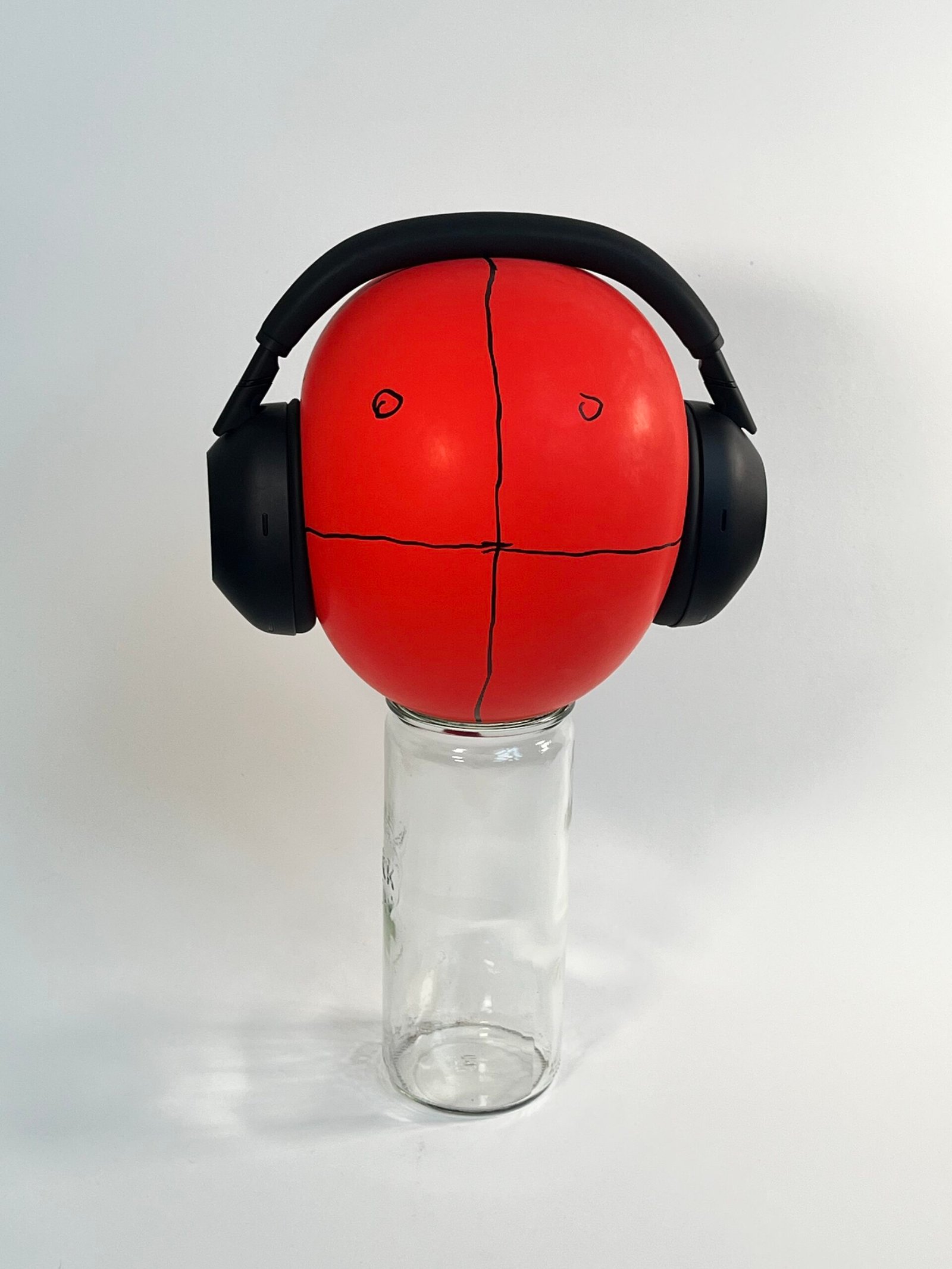
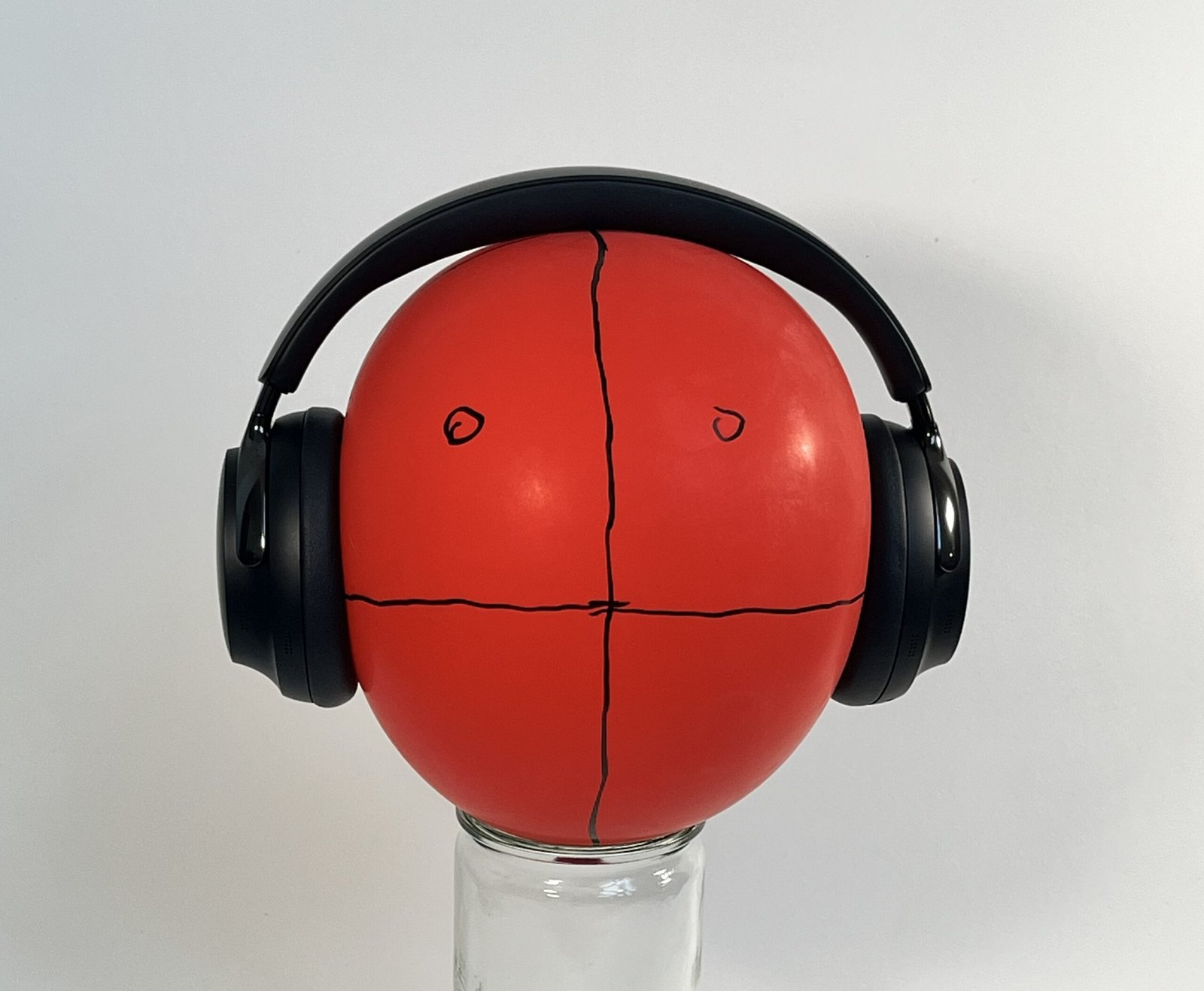
Large-head proxy. Sony left at 1.3 cm compression, Bose right at 1.0 cm. The Sony grips a bigger head harder than anything else in batch one.
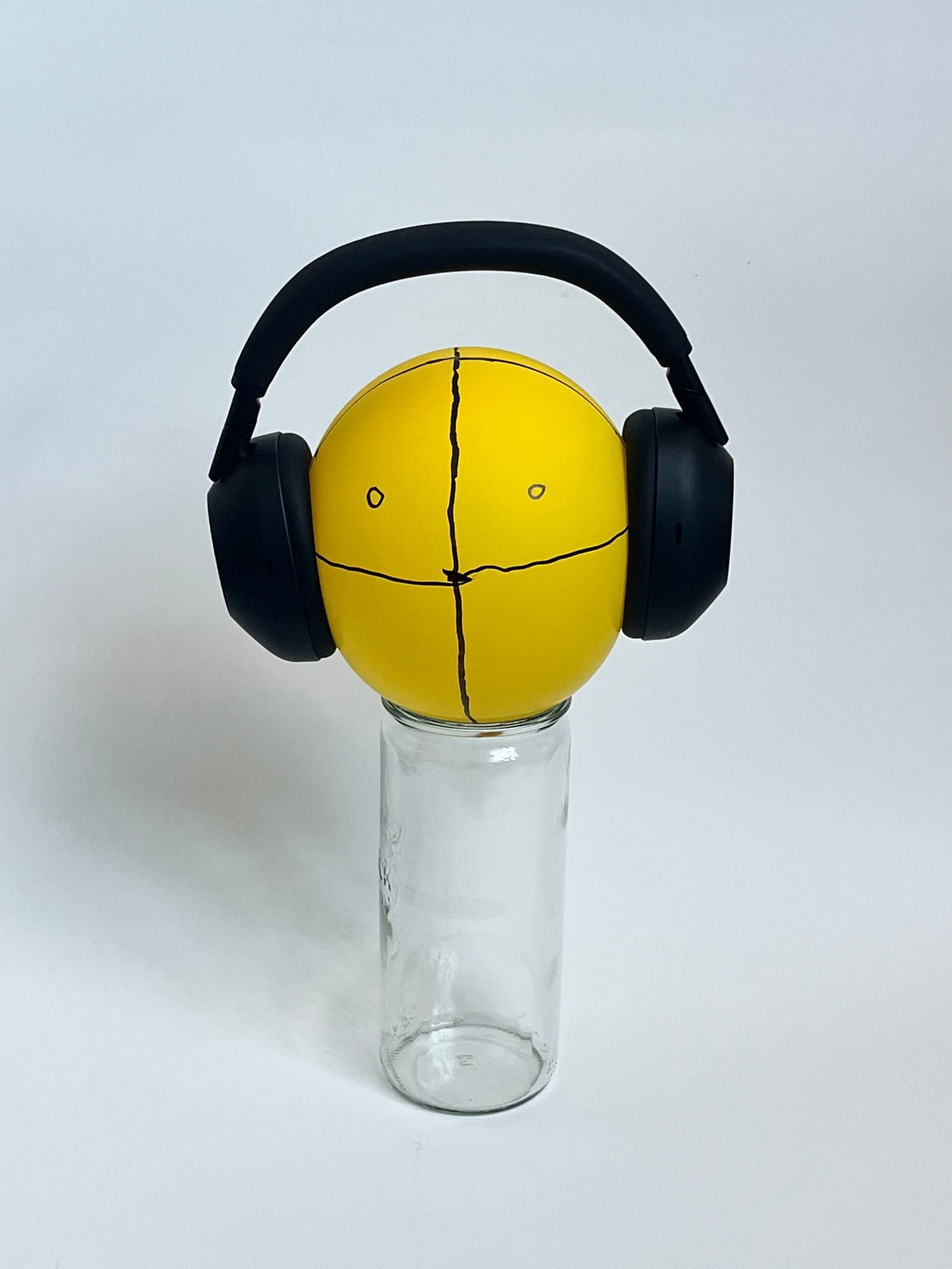
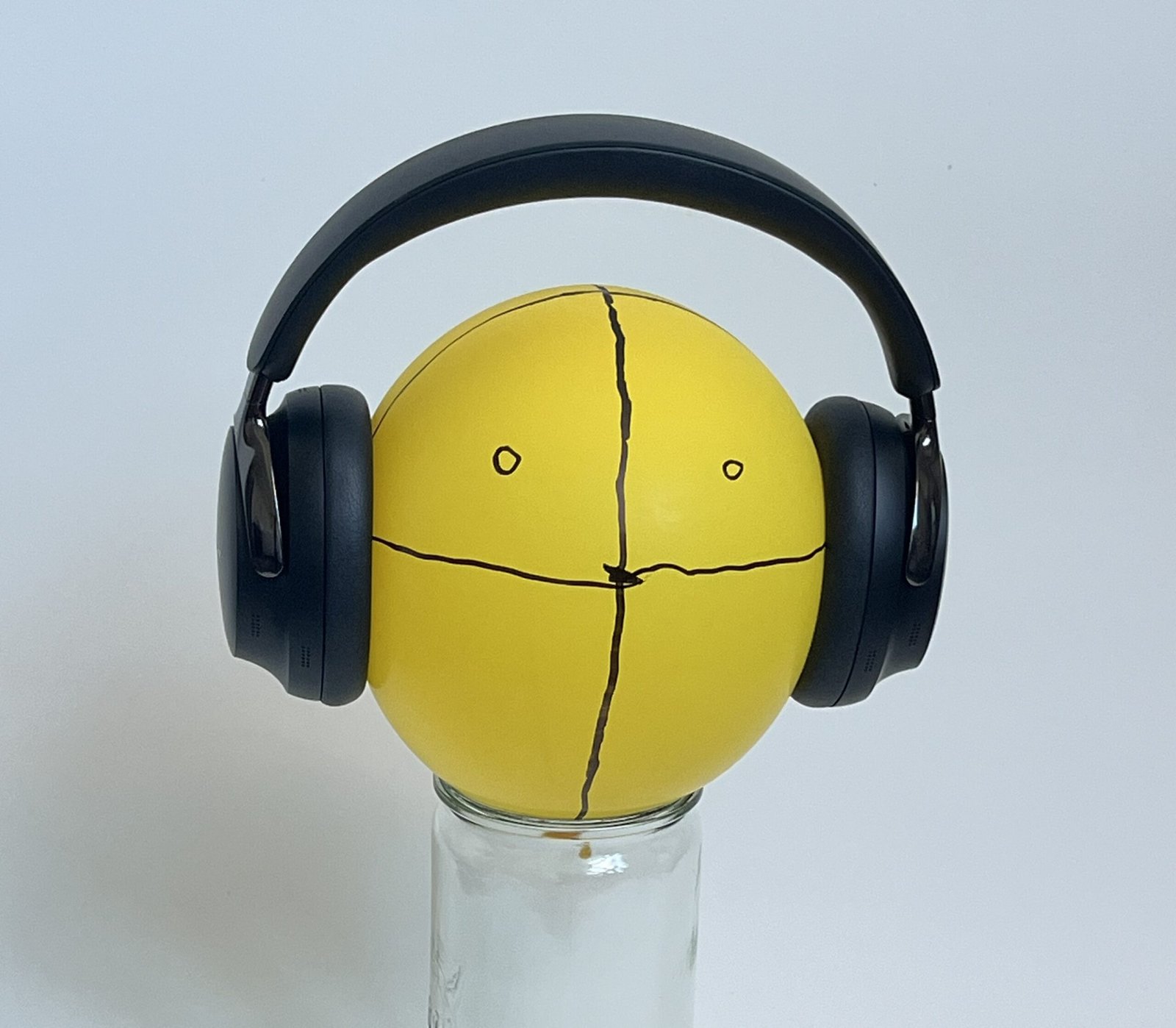
Small-head proxy. Sony 0.2 cm, Bose 0.1 cm. On a smaller head there is almost nothing in it; the difference is entirely a large-head problem.
Pads and controls
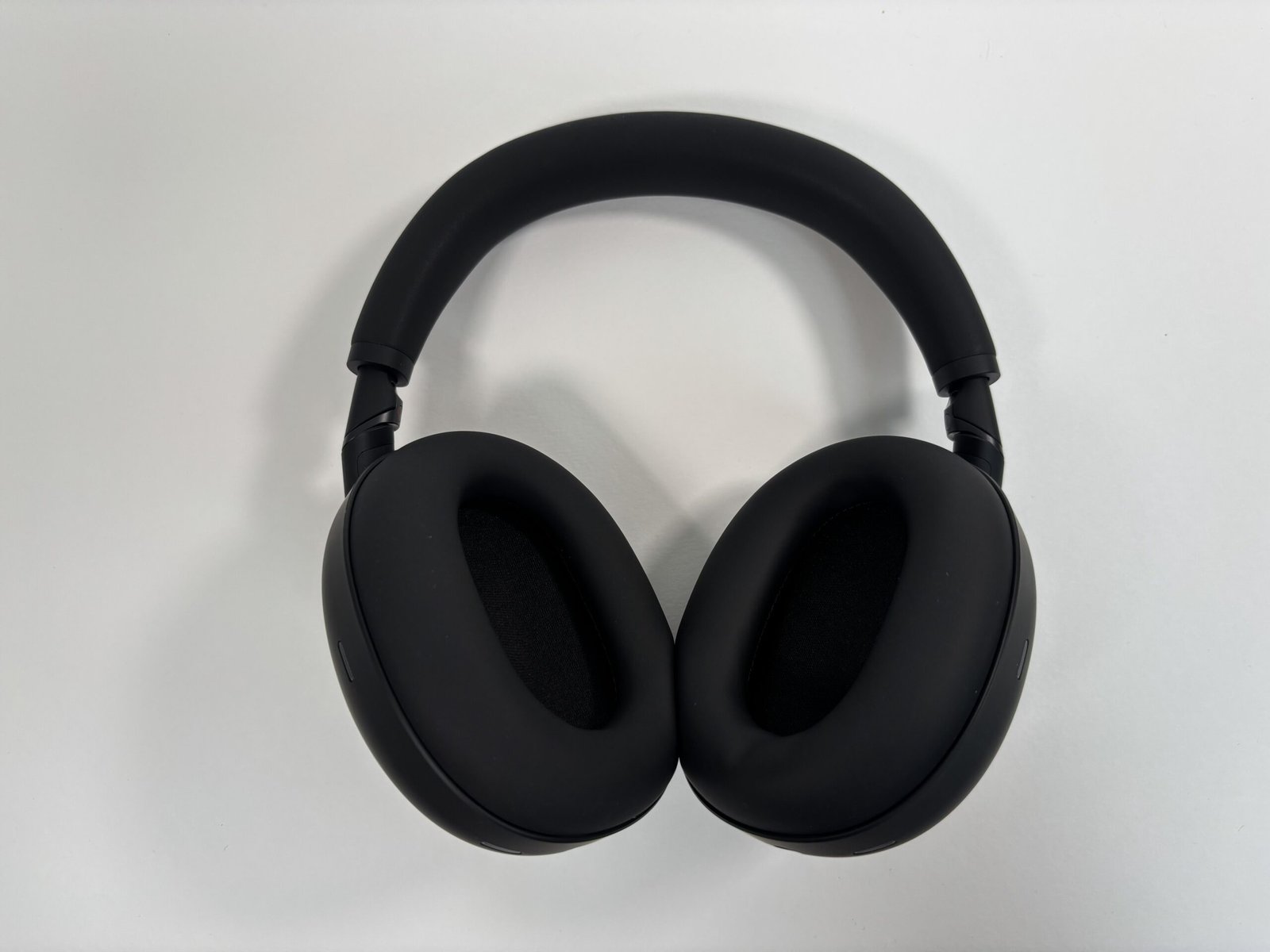
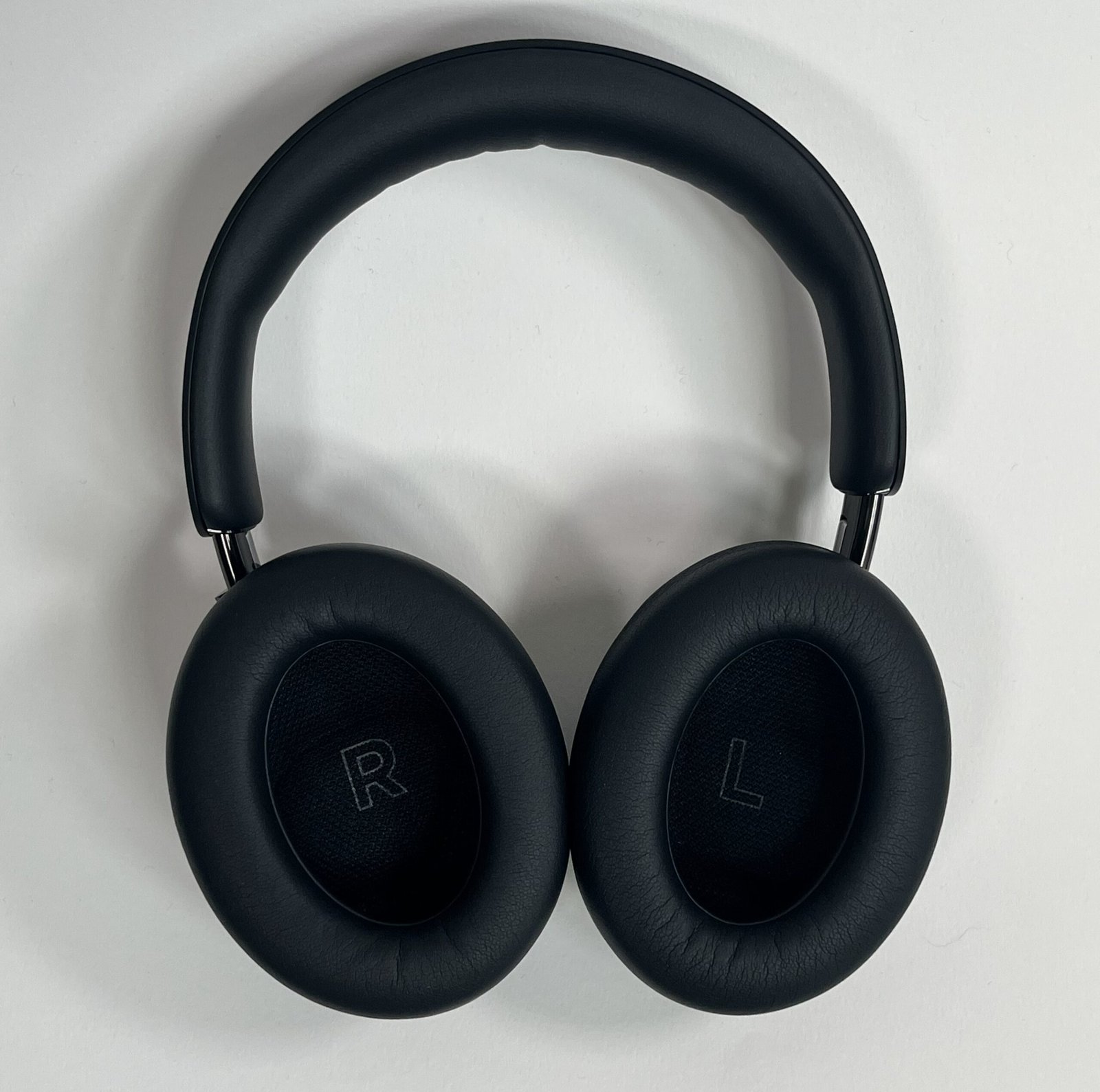
Sony’s synthetic leather over memory foam, firm to the touch, against Bose’s protein leather over a softer foam. Both get hot within the hour.
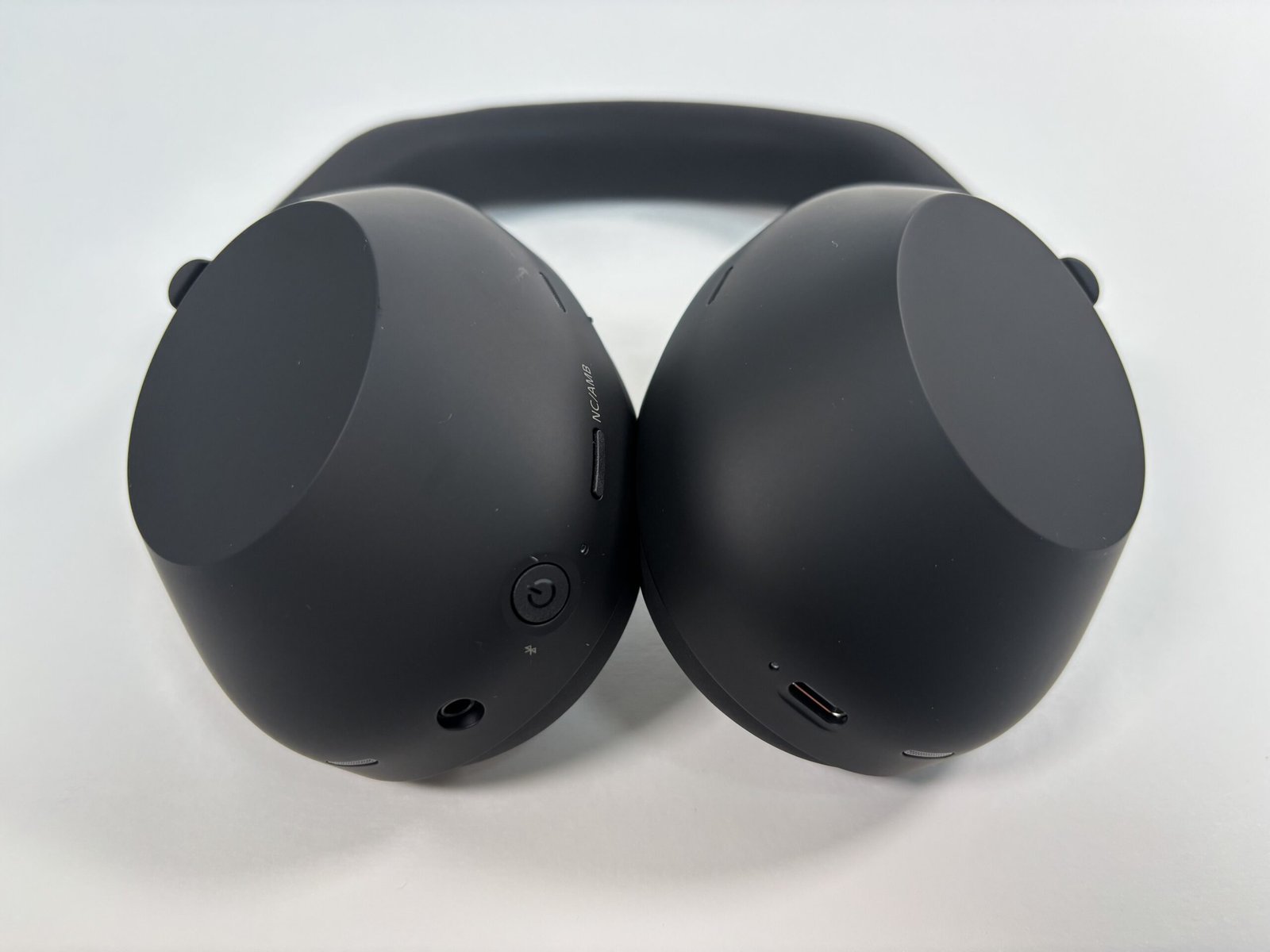
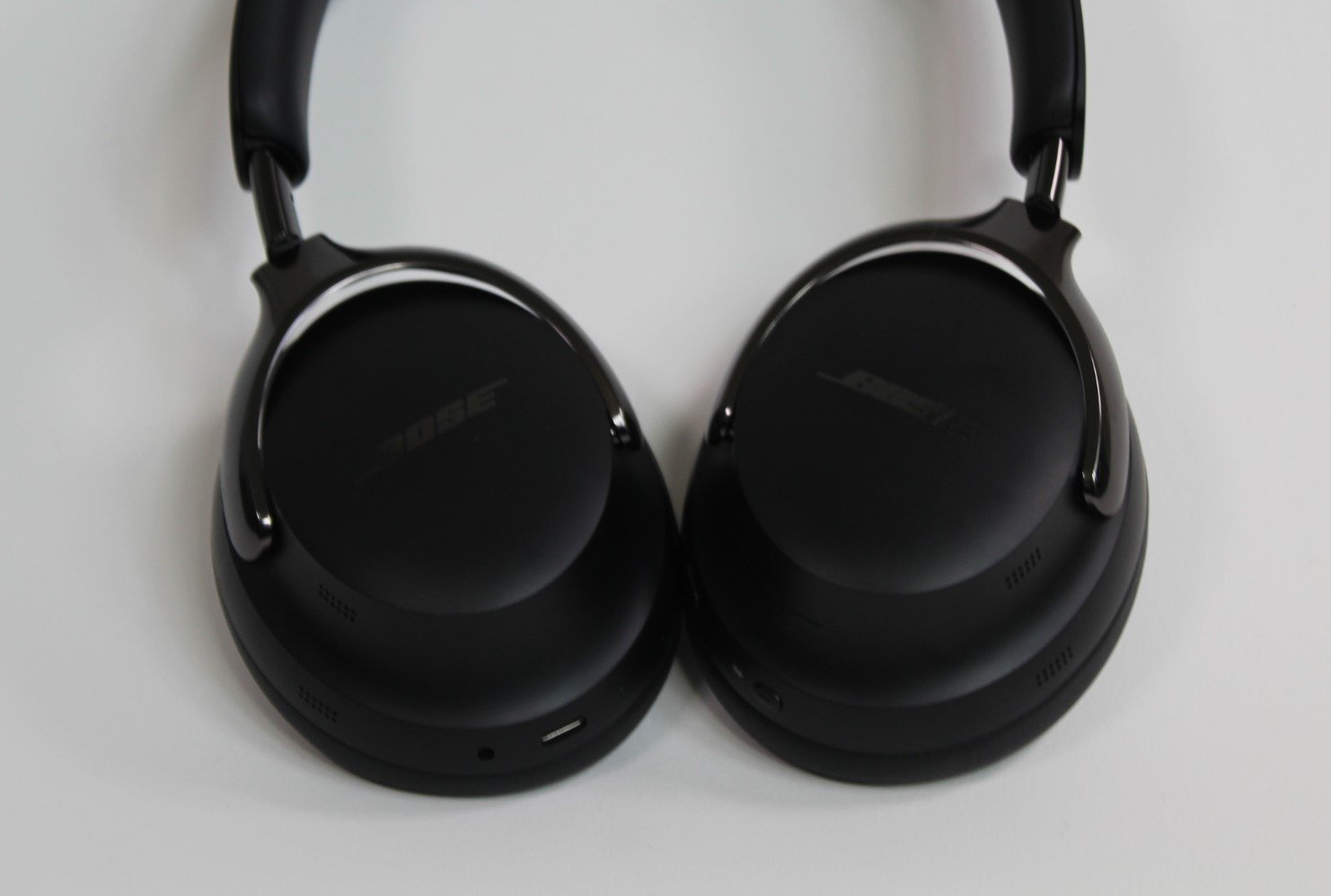
A knock against the Sony cup plays a tonk chime and can unpause your track. The Bose gives a medium thud and nothing else, which is the quieter accident. The Bose power button is very hard to find by feel.
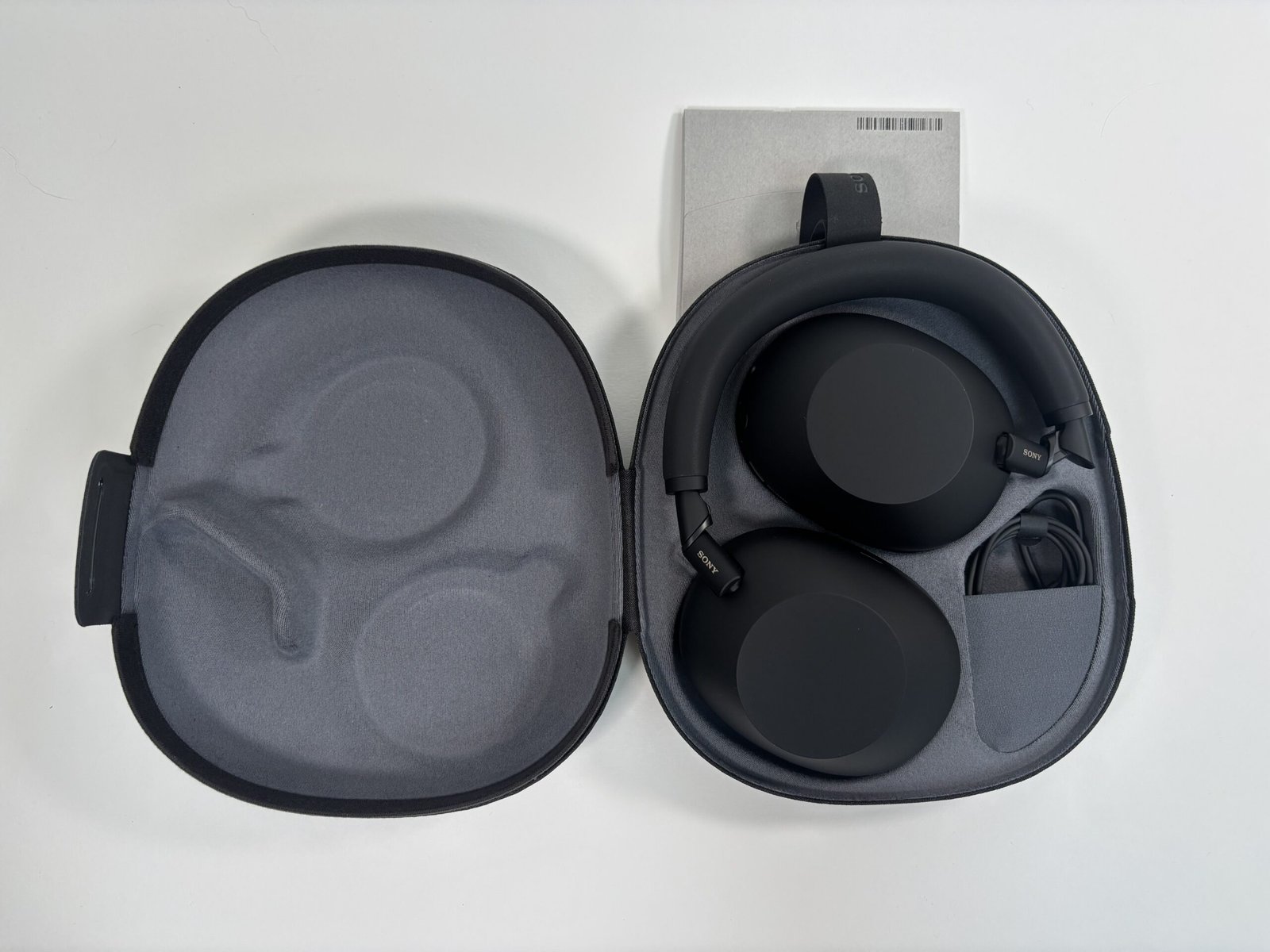
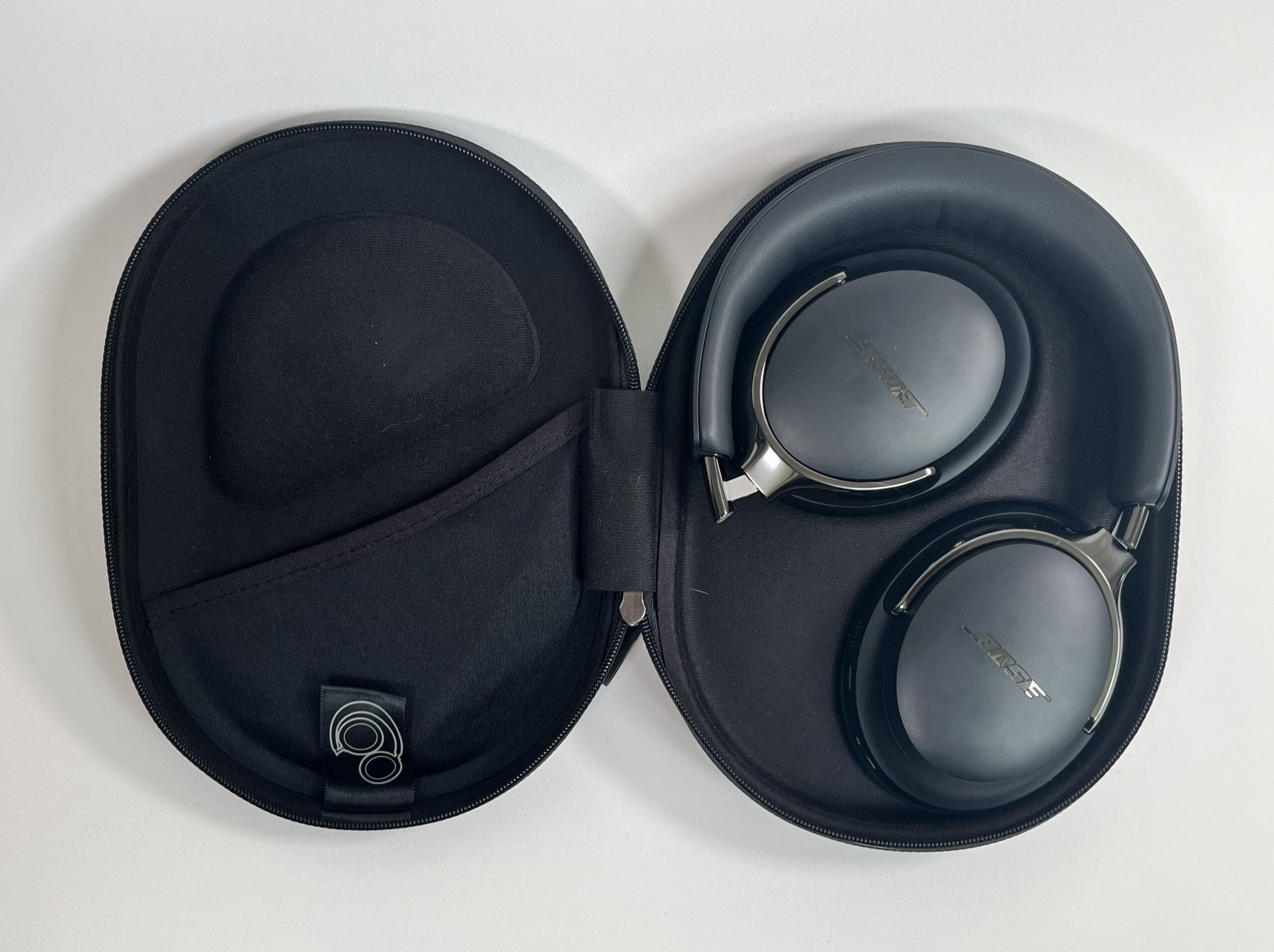
Sony’s clip case is the easiest in batch one to use, though its coating squeaks unpleasantly under the fingers. Bose’s zip case is the nicer object and the heavier one.
Not close, at any frequency
Nine tones, cancellation on, nothing playing, expressed as the percentage of signal that still reached the ear. Lower is stronger. The XM6 matched or beat the Ultra at every single band, and the gaps are not small: three times as much sound survived the Ultra at 75 Hz, twice as much at 2 kHz, three times as much at 8 kHz.
| TONE | SONY XM6 | BOSE ULTRA | STRONGER |
|---|---|---|---|
| 75 Hz, engine rumble | 5% | 15% | Sony |
| 125 Hz, bus engine | 5% | 15% | Sony |
| 250 Hz, fridge hum | 10% | 15% | Sony |
| 500 Hz, chewing | 25% | 30% | Sony |
| 1 kHz, speech centre | 25% | 25% | Level |
| 2 kHz, checkout beeps | 24% | 50% | Sony, by half |
| 4 kHz, kettle and cutlery | 20% | 33% | Sony |
| 8 kHz, sibilance | 10% | 33% | Sony, by three |
| 15 kHz, highest band | 1% | 1% | Level |
The checkout-beep band is where the difference will actually be felt. Half the signal survived the Ultra at 2 kHz, which is why a supermarket till sounds much the same through them, and why the Ultra’s own case file rates its supermarket performance as somewhat helpful rather than transformative. The XM6’s supermarket result is the strongest in batch one.
One condition reverses this completely. With pink noise or music playing at a third volume, the Ultra blocked more than any headphone tested so far. If you never listen in silence, the tone grid above describes a situation you are never in.
Ninety minutes, and the Sony’s honest bill
Here the Ultra wins, and it is the reason this page does not simply say buy the Sony and stop. Both were worn for ninety minutes in the same quiet room, scored every fifteen minutes on a one to five scale.
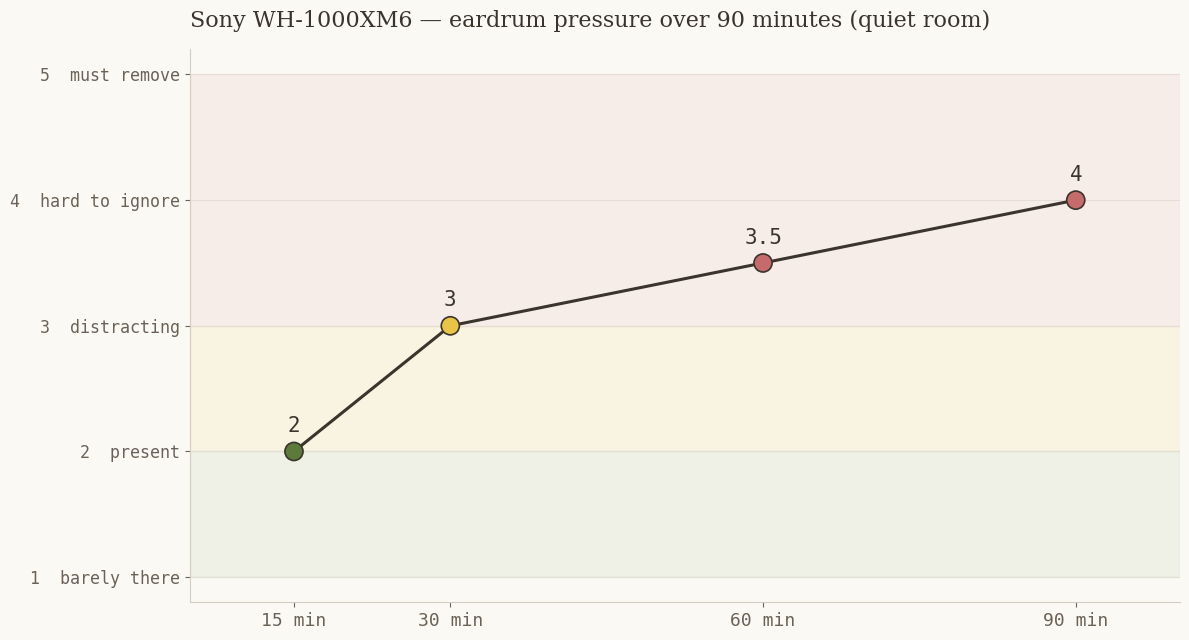
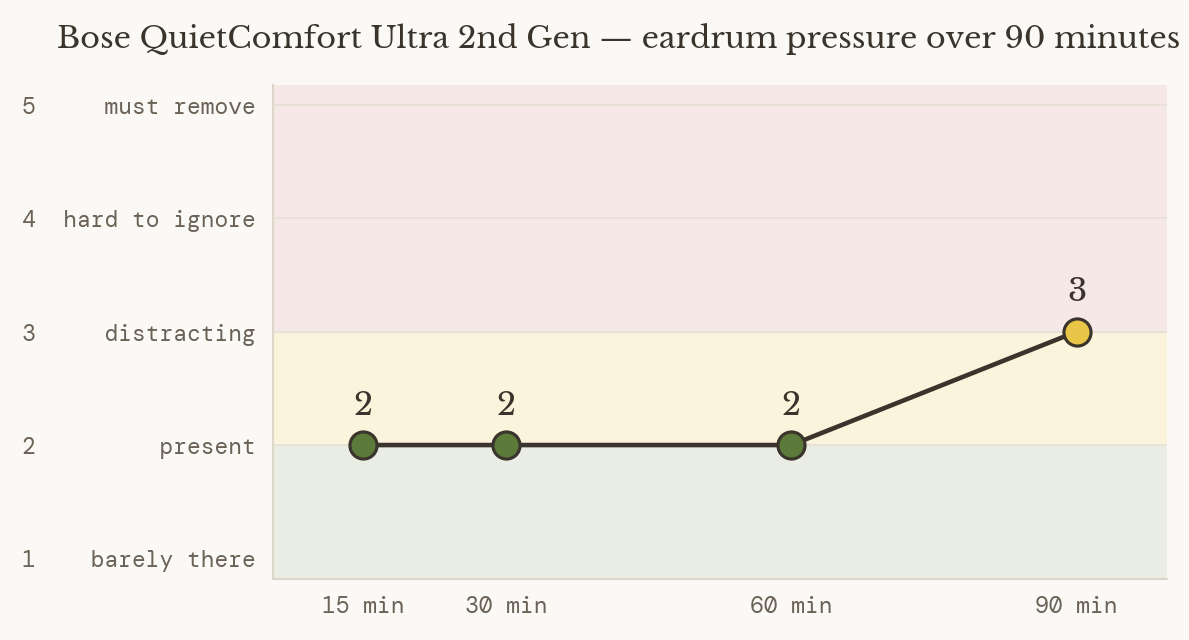
Ninety minutes, same room, same ears. Sony left, Bose Ultra right. [CHARLIE: confirm the XM6 curve filename against the Media Library before publishing.]
Both start at 2 of 5 at fifteen minutes. From there they separate. The Sony climbs steadily to 3 by thirty minutes, 3.5 at the hour and 4 by ninety, the steepest curve in batch one. The Ultra holds at 2 through the whole first hour, rises to 3 just past sixty minutes, then unusually eases back by ninety, the only non-monotonic curve in the batch and one recorded on a single pair of ears.
In a quiet room, then, the Bose is the gentler headphone. Load changes that. In a 67 dB office the Ultra turned semi-painful within ten minutes and forced removal after an hour. The Sony’s pressure also rises faster in loud rooms, reaching 3 of 5 by thirty minutes on a bus, and one forty-five-minute ride ended in a headache around the ears. Neither is comfortable in a loud room for a long time. The Sony’s discomfort is worse at ninety minutes; the Ultra’s arrives sooner when the electronics are working hard.
If this section is the one that matters most to you, neither of these is your headphone. The standard Bose QuietComfort held at 1.5 of 5 through the first half hour and reached only 2.5 at ninety minutes, the lowest curve recorded so far, and costs less than either.
The predictability test
Sony sells the XM6 on cancellation. That is not why it wins here.
Across the whole protocol the XM6 did nothing unexpected. No cutout over road bumps, wind or door slams, on the exact route where the Ultra’s cancellation produced a whump and dropped out many times a minute. No pressure click when a spoon was dropped. No measurable seal loss with glasses on in a 68 dB cafe, where the Ultra’s arms broke the seal and had to be repositioned above the band. Its costs are real and they are all listed on its own case file, but every one of them arrives gradually and can be felt coming.
The Ultra’s failures arrive without warning. A bump in the road, and the sound world drops away and comes back. Glasses that were fine in a quiet room let the hum in once you are on a bus. Pressure that was mild for an hour turns semi-painful in ten minutes because the room got louder.
For most buyers that difference is an annoyance. For a reader who is already spending energy tracking their environment, an unpredictable sensory event costs more than a steady one of the same size, because you cannot habituate to it and you start bracing for the next one. The Ultra’s own case file records exactly that: anticipating the glitch with some trepidation.
That is the case for the Sony, and it is not the case Sony makes.
Triggers: the one table the Bose wins
| TRIGGER, ANC ONLY | SONY XM6 | BOSE ULTRA |
|---|---|---|
| Soft chewing | Halved | Half gone, faintly perceptible |
| Crunching | Halved, sharpest crack survives | Two thirds gone |
| Lip smacking | Three quarters gone | 85% gone, best so far |
| Slurping | Cut by half | Cut by a third |
| Sniffing and throat sounds | Cut by half | Cut by a third |
| Keyboard and pen clicks | Cut 80 to 90 percent | Two thirds gone |
| Your own chewing | Amplified under the seal | Amplified under the seal |
| All of the above, with pink noise | Removed completely | Removed completely |
The split is clean. Wet mouth sounds go to the Bose, which took the best single trigger result recorded so far on lip smacking and clearly beat the Sony on crunching. Dry, sharp and rhythmic sounds go to the Sony: keyboards, pens, sniffing, slurping. If one specific sound is the reason you are shopping, that decides it, and neither product’s marketing will tell you which.
Then the last row erases the argument. Both remove everything once a masking signal plays. And both amplify your own chewing under the seal, which no manufacturer mentions and which matters if your triggers are internal. That mechanism is set out in the occlusion effect explainer.
Anyone shopping primarily for eating sounds should read the earplug misophonia data before spending this much. Foam beat both of these in silence.
Room by room
Quiet room
The Bose takes this one. Its pressure holds at a mild 2 through the hour where the Sony climbs to 3.5, and the Sony’s own case file calls itself overkill here: the pressure, heat and hiss cost more than the little noise there is to remove. Both start hissing at minute five. Edge: Bose Ultra.
Kitchen
The Sony, comfortably. A kettle at one metre dropped to a gentle wooshy whisper, stronger than the Ultra managed, and the extractor lost 95 percent of itself against the Ultra’s 90. More of the washing machine went than with any rival. At the table the Ultra pulls back some ground on chewing sounds. Edge: Sony XM6.
Open plan office
Not close. Keyboards cut 80 to 90 percent on the Sony against two thirds on the Bose, and general hubbub down 80 percent. The Ultra’s problem here is not the cancellation but the pressure: semi-painful within ten minutes in a room with real background noise, forcing removal after an hour. Both suffer the same paradox, that cancelling the air-con makes voices more present rather than less. Edge: Sony XM6, decisively.
Commute
The Ultra is flagged not usable on this route. The Sony produced no bump behaviour at all on the same journey, kept announcements intelligible, and cut three quarters of the engine rumble. Its tax is pressure, 3 of 5 by thirty minutes, and one long ride that ended in a headache. Edge: Sony XM6, decisively.
Supermarket
The Sony’s strongest room and the Ultra’s weakest showing outside the bus. Fridge hum cut 80 percent against the Ultra’s third to two thirds, and the Ultra’s aware mode made the PA announcement louder rather than softer. Both need something playing to be genuinely useful. Edge: Sony XM6.
Restaurant or cafe
Mixed on both. The Sony lifted the hum and echo away and covered more than the Bose did, but past thirty minutes its pressure verged on slightly painful. The Ultra let only about ten percent of the din through yet rates itself as taking the edge off less than others. Neither is a recovery tool, and foam earplugs blocked more of the room without requiring you to play anything. Edge: Sony XM6, narrowly.
Which one, for you
No hedging. Each profile gets one answer.
Buy the Sony WH-1000XM6
Stronger at every one of nine tones, decisively better in four of the six rooms, and the only one of the two that never did anything unexpected: no bump cutout, no pressure click, no seal loss with glasses. Considerably cheaper in the UK, though the two sit close in the US. The costs are real and they are not hidden: the firmest clamp in batch one on a larger head, hot ears within the hour, a chemical smell still findable at day seven, and the steepest eardrum pressure curve recorded so far, reaching 4 of 5 by ninety minutes. Read that curve before buying if pressure is a known problem for you.
Buy the Bose Ultra only in a narrow case
Weighing the Bose QuietComfort Ultra against the Sony XM6 comes down to a single question: is something always playing? If it is, and you never take a bus, and wet mouth sounds are your specific trigger, the Bose is defensible. It took the best misophonia result recorded so far, blocks more than anything tested once a signal is running, arrives with no chemical smell at all, and grips a smaller head more gently than anything in batch one. Outside that narrow case the picture is poor. The cancellation cuts out at every road bump, the pressure turns semi-painful in a loud office, glasses break the seal at commuting volume, and half the signal survives at the checkout-beep band. Flagged on this site.
If eardrum pressure is your real problem: neither
Both of these are expensive answers to a question you are not asking. The standard Bose QuietComfort held at 1.5 of 5 through the first half hour and reached only 2.5 at ninety minutes, the lowest pressure curve recorded so far. It also has the faintest self-noise in batch one and the least self-hearing of your own chewing, and at time of testing it undercut both headphones on this page. It cancels least, which is exactly why it is gentlest. One caution: it produces a semi-painful pressure click on sudden bangs, so if startles are your trigger rather than steady noise, go back to the Sony.
Weighing the wider set, or wondering whether headphones are the right tool at all? The noise cancelling headphones investigation covers every product tested under this protocol, and the earplug investigation covers the in-ear alternatives, which beat both of these in silence.
About this comparison. Both headphones were purchased, not gifted, and tested by one reviewer across the same six environments using the same protocol, the same tones, the same music and speech clips, and the same balloons. Results reflect a specific sensory profile and should be read accordingly. How the investigation tests ANC headphones.
Both headphones tested under the BOST ANC protocol: nine tones at three conditions, timed eardrum pressure across ninety minutes, balloon clamp proxies at two head sizes, live trigger sounds, and six real environments. How the investigation tests ANC headphones →