
No sponsorship, no freebies. Links here earn a small commission at no extra cost to you, which keeps the investigations independent. More info
Best Earplugs for Autistic Shutdown and Meltdown
Earplugs won't normally stop a shutdown or meltdown, but the right pair can aid with pre-emptive everyday wear, or escape and recovery. Ten brands tested in the lab and live in offices, public spaces, cafes, public transportation
Investigated with first hand experience of autistic shutdowns and the odd melt down too
No two shutdowns start the same way. You find yourself on the train platform unable to make sense and read the train times being displayed. Your mouth is no longer working to ask a stranger for help. The world is a complete and total onslaught of bodies, beeps, flickering lights, and your jacket is too hot. Help.
Earplugs won’t stop a shutdown or meltdown.
However, if used correctly they can reduce the risk of one.
Sensory load builds, the system nears its limit, and a shutdown or meltdown is what happens at the top of that climb. Same mechanism, two ways out, and the same lever to pull: lower the auditory load.
A plug right for recovering in a quiet room is wrong for getting through a work day. Environmental awareness matters in one moment and is a liability in the next.
Anyone selling a 33dB plug as a meltdown fix has misread the problem. Every plug here is ranked on what the investigation actually heard in real rooms, not the figure printed on the box.
We sorted ten earplugs by the moment you’d reach for them: pre-emptive everyday wear, or escape and recovery. The aim is to reduce the things bearing down on you when it really counts.
The premise of BOST is about taking back control of your environment. You can’t switch off the world, but you can decide how much of it reaches you.
Are earplugs for autism worth it?
It’s the question some autistic / sensory sensitive people start with, and it usually arrives along side others. Does anyone wear earplugs through a normal day, really? Are earplugs for work a reasonable thing to do at a desk, or just one more thing to explain? Can a pair of plugs really help with autistic sound sensitivity, or prevent sensory overload before it tips into something worse?
Short answer, from one autistic tester who’s worn every plug here through real days. Yes: earplugs for sensory overload are worth it. On one condition: the right plug for the right moment. Worn early they buy you headroom. Worn too strong at the wrong time they isolate you and actually can add to your sensory input state. The rest of this report is about getting that match right.
Worn at work. A discreet filtered plug at a desk is no stranger than a colleague in headphones. The investigation found the comfortable, awareness-preserving plugs are the ones you can actually keep in through a working day.
Three moments, three different plugs
Most earplug roundups hand you one list and call it done. This investigation split the day into three. Read for the context you think you’re most likely to find yourself in.
- Pre-emptive. Worn early, when the body signals it’s heading toward the edge but you’re still in the world, still at the desk, still on the bus. You want the edge taken off and your situational awareness kept. Lower attenuation. All-day comfort. Conversation still possible.
- Escape and during. The load has won, or nearly. You need it cut hard and fast so you can get somewhere safe. Maximum attenuation. Comfort and conversation come second to silence.
- Recovery. You’re out, you’re somewhere quiet, and you’re rebuilding. High attenuation again, for a held, contained quiet while the nervous system settles. Talking to anyone is not the point.
The parts of a typical day. A preemptive plug is one you wear before you think you need it. The escape plug lives in your bag for the moment the preemptive one isn’t enough. Both earn their place.
Tested in real rooms, not read off a packet
Every plug below is ranked on what the investigation actually heard across six environments: a quiet room, a home office near appliances running, a commute, a supermarket, an open-plan office, a noisy café, and the minutes after removal. Not the number on the box. The packet number describes a sealed laboratory; your morning is not a sealed laboratory.
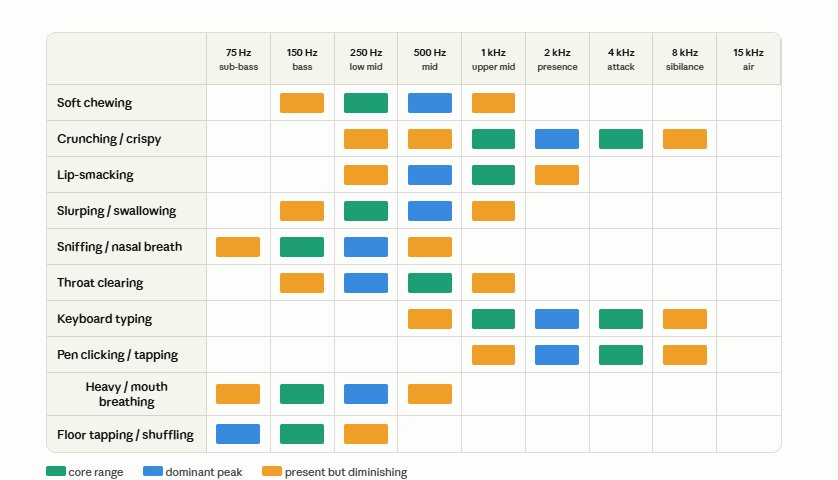
The frequency work sits underneath all of it. Each product was tested in-ear with fixed tones and the share of each that still got through the plugs was logged, from the 75Hz traffic rumble up to a 15kHz squeal. That’s how BOSTLab can say a plug kills mid and high but leaves a low hum, or softens everything evenly. The full curves live on each case file and in the comparison work.
A note on the numbers you’ll see elsewhere. Packaging quotes NRR or SNR figures measured under ideal conditions. Real-world performance sits well below them, which is why a single headline decibel figure can’t tell you whether a plug will hold up when you’re already close to the edge. The investigation ranks on observed behaviour in lived rooms. Where a competitor calls a plug meltdown-grade on a packet number alone, treat it as marketing, not measurement.
When you need it cut hard and fast
These are the strongest performers the investigation tested. They block, they don’t filter. Conversation goes out the window and that’s the point. Reach for one of these when the load has already tipped, or when you’ve reached somewhere quiet and need to stay sealed inside it while the system settles. All three amplify your own chewing and breathing, the occlusion effect, so they suit a recovery space far better than a shared meal.
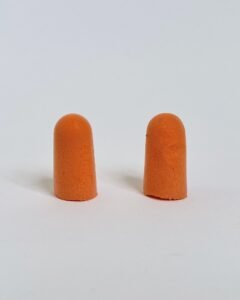
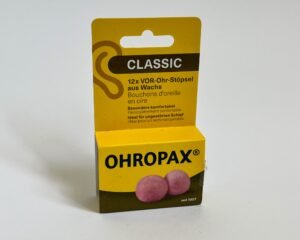
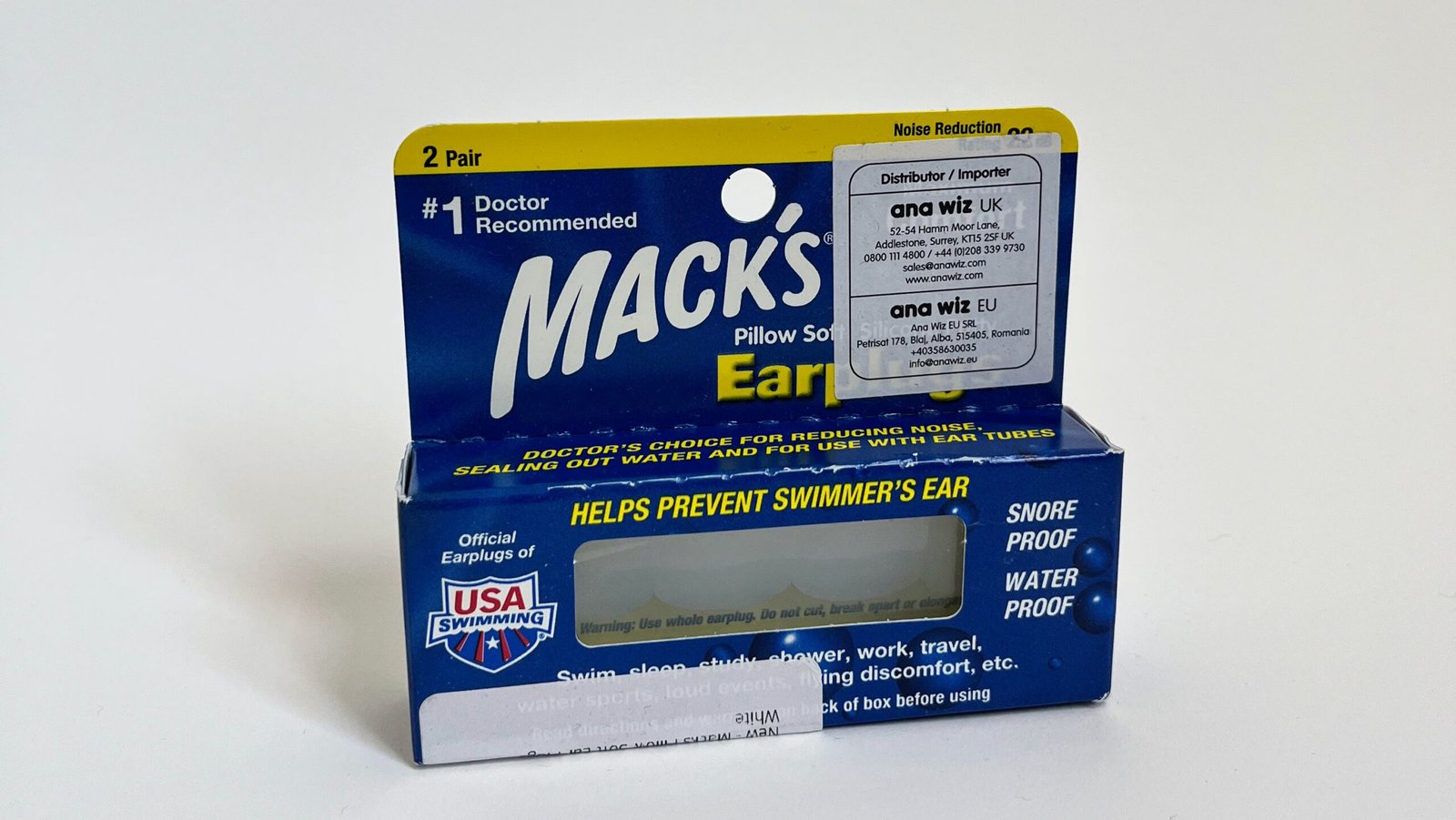
An honest limit. The investigation’s genuinely high-attenuation tier rests on these three: one foam, one wax, one putty. All seal at or near the ear and all carry the occlusion trade-off. If you want maximum quiet, that’s the menu. There is no in-canal filtered plug that both blocks like foam and stays comfortable for hours; the physics doesn’t allow it yet.
For the part of the day you can still feel coming
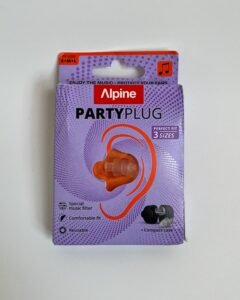
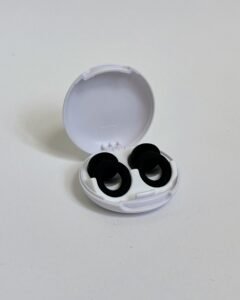
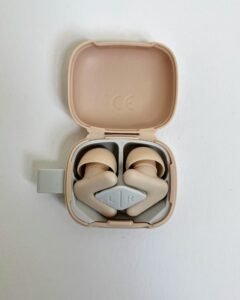
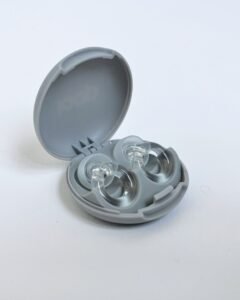
These are the plugs to reach for early, before the load wins, when you still need to function in the world. Lower attenuation by design. They take the edge off the stack so a sensitive nervous system has fewer variables to manage, while leaving enough through that you can hear your name, an announcement, a colleague. Worn preemptively across a day, they help keep you below the threshold a trigger would otherwise push you over.
Three the investigation can’t recommend for this
Honesty is the whole point of the site, so here’s what didn’t make either list and why. In one reviewer’s tested opinion, across the six-environment method, the Flare Calmer and Flare Calmer Pro delivered no meaningful attenuation in any environment; the tone work showed only a marginal softening of the very highest frequencies, and several packaging claims, including the no-occlusion claim, didn’t hold up in use. The filters’ stated decibel figures weren’t independently lab-verified either. EarPlanes, a flight pressure-regulation product tested laterally for daily noise, produced very little reduction and built uncomfortable canal pressure; its flight use was not tested. None of the three belongs in a shutdown toolkit.
If you’ve seen any of these recommended as meltdown-grade elsewhere, that’s the packaging-number trap again. Read the full case files for the disclosed method behind each verdict: Flare Calmer, Flare Calmer Pro, EarPlanes.
Control, not cure
A shutdown and a meltdown sit at the top of the same curve. You can’t always stop the climb, but you can take inputs off it, and auditory load is one of the most reliable to remove. The investigation’s clearest result: match the plug to the moment. A filtered, comfortable, air-permeable plug like the PartyPlug for the long preemptive stretch of a day; a foam, wax, or putty plug like the 3M 1100, Ohropax, or Mack’s in the bag for the moment you need to cut the world out and get somewhere safe; the same strong plug again for the quiet of recovery.
Same nervous system, different needs at different points of the day. That’s not a compromise. That’s how you take back control of your environment.
You can’t switch off the supermarket. You can decide how much of it reaches you, and you can change your mind about that on the way round.
The investigationIf noise is where your hardest days break down, the mechanism behind the occlusion you’ll feel in the stronger plugs is explained in why sealed ears amplify your own body. For specific trigger sounds, the misophonia data ranks the same products on chewing and cutlery. To see how every plug was put through its paces, read the investigative method. And if you’re still mapping out which environments cost you most, start with the environments themselves.
Where to go next

Every plug ranked on observed performance across six real environments and a frequency tone test, never on packaging NRR or SNR alone. Earplugs testing method →