
Bose QuietComfort Ultra Headphones Review: Does the ANC Hurt?
Best for: quiet rooms, kitchens
Mixed findings in: open plan offices, noisy supermarkets, noisy restaurants
Fell short in: commuting
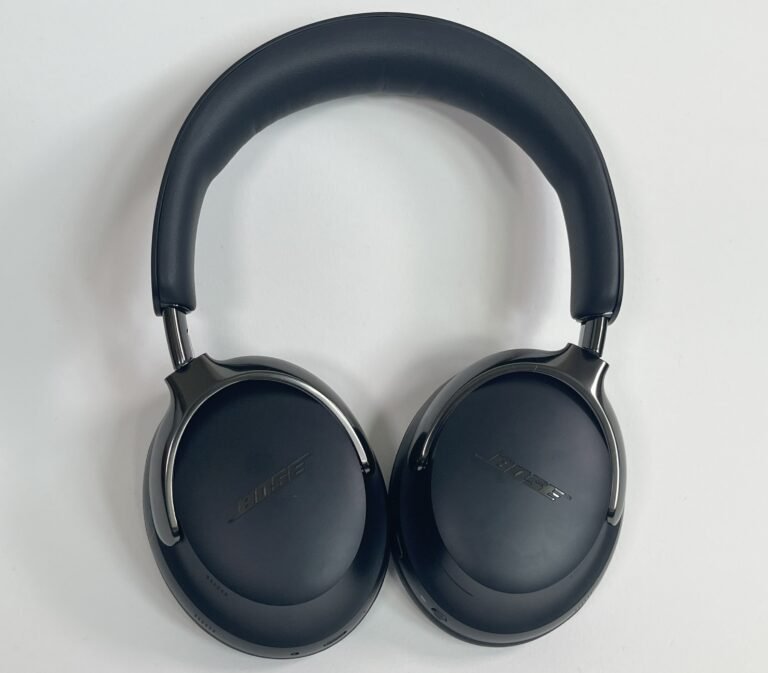
Exhibit C. The premium benchmark of the set, observe the polished metal headband bling
My teenager borrowed these for one bus ride to college and handed them back with a verdict: “Dad, these really glitch out on the bus. Low key fail.” A sceptical father assumed teenage exaggeration, the kind that’s been known to struggle opening a banana. Then came my own commute, and the first pressure glitch arrived like someone had lightly tapped the side of my head with a cricket bat. The seed of doubt he’d planted began to root and grow.
Mainstream review sites have overlooked crucial issue with these: physical pressure is not the same as eardrum pressure
Sensory Scorecard
What these eight axes mean
- Noise
- External sound, unpredictable or unfiltered, including misophonia triggers.
- Scent
- Smell that registers as invasive; unboxing odour and how long it lingers.
- Tactile
- Surface contact: pad materials, heat, sweat, textures under the fingers.
- Proprioceptive
- Clamp force, stability, and the sense of the headband’s grip.
- Interoception
- Internal signals the seal and ANC amplify: eardrum pressure, heartbeat, breathing.
- Visual
- Lights, app screens, and appearance factors.
- Hygiene
- Pad wear, residue, and cleaning over repeated use.
- Social
- How wearing them reads to other people, and conversation viability.
–NoiseMid-pack on raw cancellation, beaten by the XM6 low down and matched higher up; transformed into the strongest blocker tested once a masking signal plays.open +close −
In practice this cancels less than the Sony WH-1000XM6 through the lower end frequencies and only matches it higher up, and cancellation cuts both ways: cancel the air-con hum in an office and a colleague’s phone call becomes fully intelligible. The misophonia grid splits the same way, best of the four on lip smacking and crunching, weaker on slurping and sniffing, and every trigger tested disappears once a masking signal plays, the one condition where this pair actually leads the batch. If raw cancellation with nothing playing is what matters most, the XM6 is the stronger buy.
✓ScentThe only headphone tested with no chemical smell at all, at unboxing or at day 7open +close −
The only unboxing in the batch with no smell at all, and still true at day seven, against a chemical note on both Sonys that lingers into week two. A small thing, but for a scent-sensitive reader it’s a real point of difference and one none of the marketing mentions.
–TactileParadoxically heavy but softopen +close −
The softest, most plush pads of the four to the touch, protein leather over a foam that gives more readily than the firmer synthetic on the Sonys. That plushness doesn’t stop heat building: warm by 30 minutes, properly hot by 90, with the pads slightly damp and the ears feeling compressed by the end of a long session, no better than the other three on that count. Pleasant against the skin, less pleasant after an hour.
✓HygieneLittle to reportopen +close −
Pads look slightly wrinkled but stay clean at ten uses, wipe down easily, and show no flaking or visible wear. Nothing here to complicate the buying decision either way; this is the one axis where the pair simply performs as expected.
–ProprioceptiveGentle clamp / no ache at ninety minutesopen +close −
Findings split by head size. On a small-head fit this measured the gentlest clamp of the four headphones; on a larger head it measured third of four, ahead of only the Sony WH-1000XM6. What holds steady regardless is that no ache developed across ninety minutes on either fit, because the cup sits around the ears rather than pressing them. The real proprioceptive cost is elsewhere: at 264 grams this is the heaviest pair tested, and the weight makes it slip when the head tilts up or down, wanting a hand to catch it despite a firm grip. A band that grips gently and a headphone that stays put turn out to be different things.
–Interoceptionlow in ear pressure in a quiet room but not so in noisy placesopen +close −
Lower levels of ICP overall but very strong internal sensation of pressure in loud environments. As detailed below, this is the axis which contributes to a Flagged verdict.
✓VisualPremium looking design of another classopen +close −
A pin-sized light that can flash blue but stays out of the corner of the eye in normal use, sitting on a polished metal band that reads as a genuine step up from cased plastic.
✓SocialNormal headphones, unremarkableopen +close −
The one social cost is leaving them on mid-conversation, which registers as rude regardless of the reason (universarlly true for every other pair in the investigation).
Case Summary
Besides the pressure glitch produced on the bus journey, these high end headphones produced some other oddities when reviewed in the lab and the field. “The best ANC ever” didnt’ actually survive: they were often found to perform middle of the pack, often beaten by the Sony XM6, all while having the highest price of the four tested.
A key thing to observe below: if noise cancelling headphones have ever hurt your ears, the pressure tests below reveal that these are a pretty mixed bag.
BOSTLab Results
Controlled tests, reported in two halves: what the seal blocks physically, and what the electronics cancel on top. Environment trials follow further down.
Two kinds of quiet
Every result below comes from one of two mechanisms, and separating them explains most of what these products do. The first is physical isolation: the cups seal against the head and simply block sound, the way an earplug does. The clamp measurement below is the cost side of that seal, and the passive rows of the tone testing are its benefit side, no electronics involved.
The second is the active layer: microphones sample the noise, the software inverts it, and the speakers cancel it inside the sealed cup. The tone measurements show how much that layer removes beyond the seal alone, and the field trials confirm where it holds up in real rooms. The active layer also has a cost, and the investigation names it ICP: in-canal pressure, the eardrum-suck sensation the cancellation itself produces. It is measured over time below.
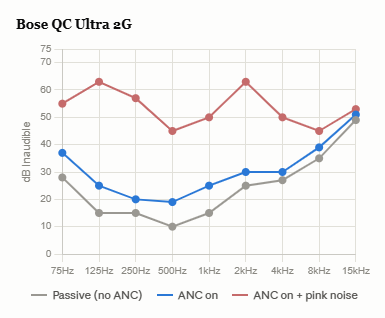
Nine test tones from 75 Hz to 15 kHz, three listening conditions. Higher on the chart means the tone stayed inaudible until played louder: more of it was blocked.
Reading the table: with cancellation on and nothing playing, the Ultra blocked most strongly at 15 kHz and let the most through at 2 kHz, the checkout-beep band, where half the signal survived. Through the low engine and fridge band it trailed the Sony XM6, which is the gap that puts it mid-pack on raw quiet.
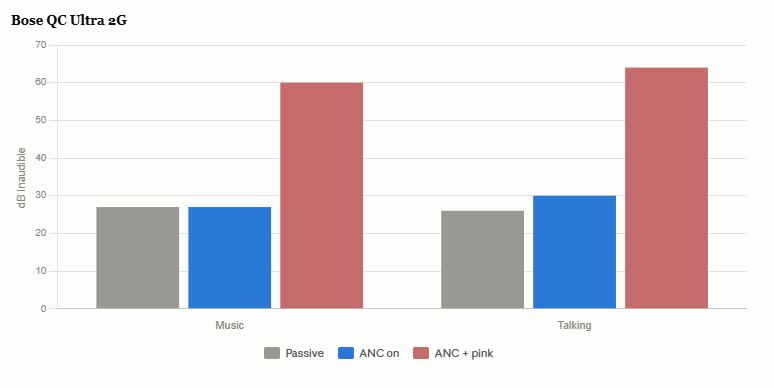
Continuous music and speech under the same three conditions. Taller bars mean the sound had to be played louder before it reached the ear: more blocking.
Music and speech follow the tones: cancellation alone adds a modest step over the seal, and the pink-noise signal cuts out far more than either mechanism on its own. This is the Ultra's real strength. With a signal playing it blocked more than any headphone tested, so the instruction the whole investigation repeats holds hardest here: for trigger sounds, play something.
How much noise gets past the ANC?
% = signal allowed through with ANC on and nothing playing. Lower = stronger attenuation. Same tone method as the earplug investigation. Subjective perception, not laboratory measurement.
Reading the table: blocking runs strongest at 15 kHz, the highest audible band, and weakest around 2 kHz, so checkout beeps range is where sound most survives the cancellation.
ICP (in-canal pressure): ANC pressure over time
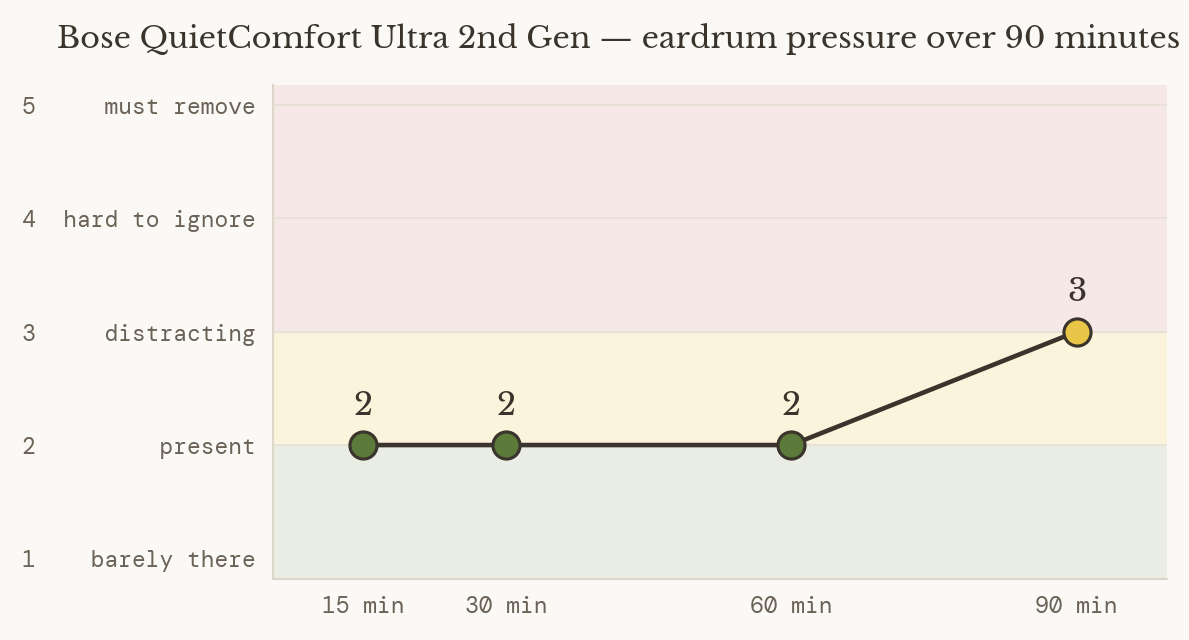
ICP over a 90-minute quiet-room wearing, scored 1 (barely there) to 5 (must remove). ICP rises faster in loud environments as the ANC works harder.
In a quiet room the Ultra produced the lower eardrum pressure: a mild 2 of 5 held from fifteen minutes through the hour, rising to a distracting 3 just past sixty minutes as the hiss, warmth, and mild ear pressure compounded, and then, unusually, easing back by ninety minutes to a level that allowed focused work. That downward turn was seen across two sittings and is the only non-monotonic curve in the batch (admittedly with a test population of 1). The pressure becomes intense when the ANC starts working. Under a controlled 75dB noise test the pressure climbed to moderate within ten minutes, in a 67 dB office it turned semi-painful by minute ten and forced removal after an hour, and on a noisy bus it reached 4 of 5 and borderline painful on one journey. Pressure here tracks how hard the cancellation is working, so the gentler the room, the gentler these are, and the louder the room, the faster the discomfort will appear. If anything, the more ‘advanced’ ANC is not an asset and so if ear pressure is your sensitivity look elsewhere – to the earlier Bose QC model.
Clamp: physical pressure from the band
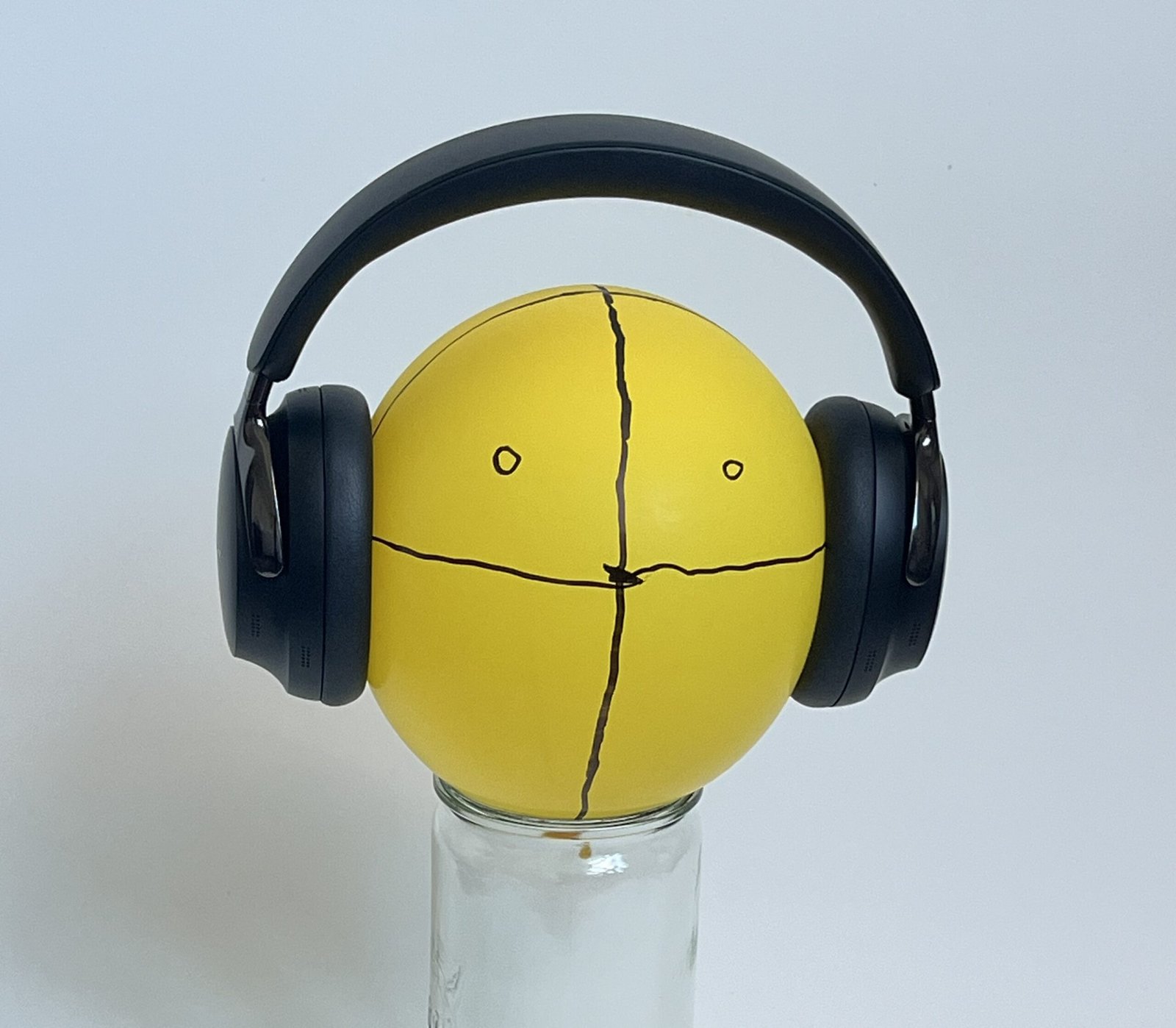
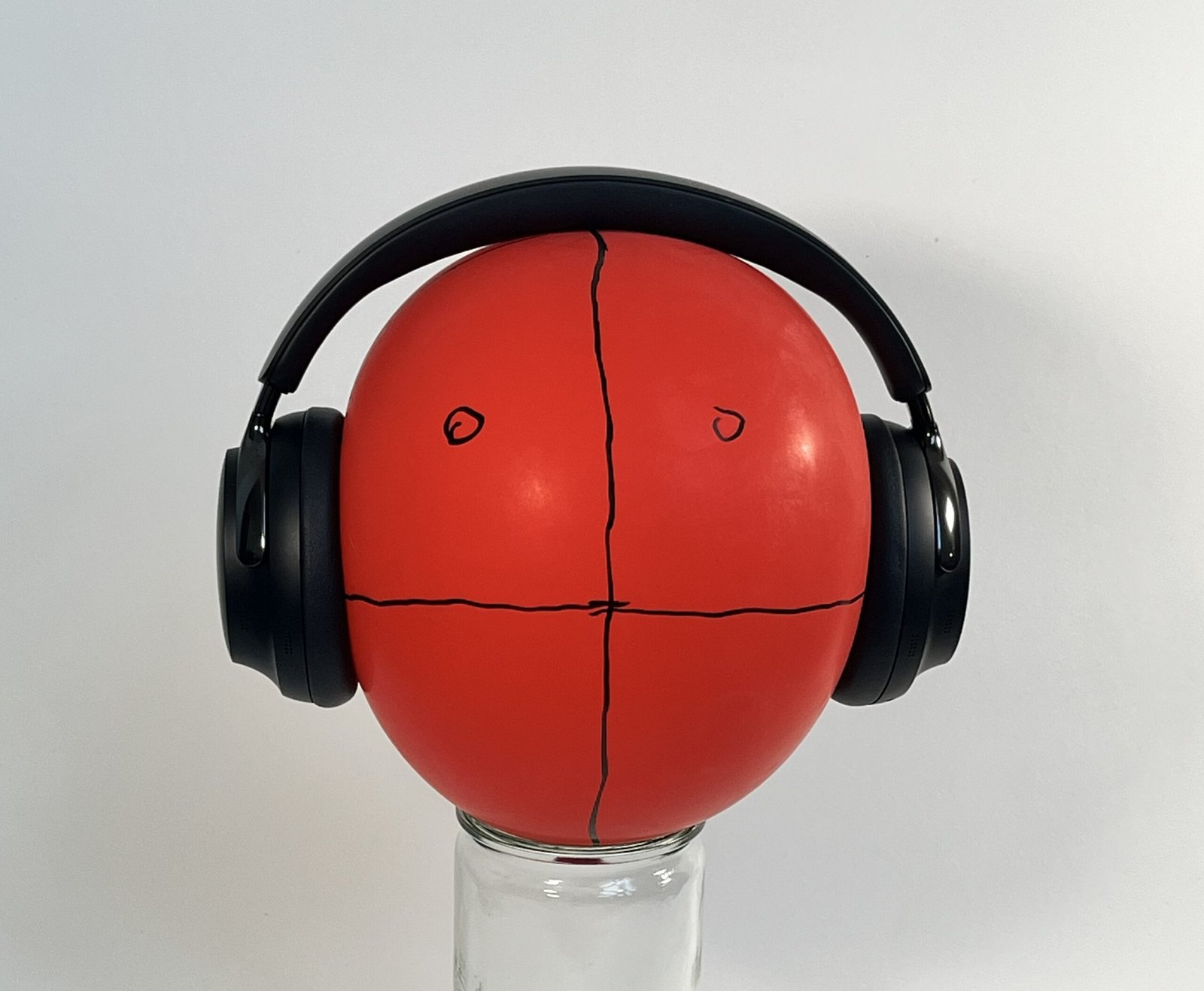
On the balloon proxy the U2 compressed the large-head dummy by 5.7 percent and the small-head form by under 1 percent, so it grips a larger head noticeably more than a smaller one, YET in live testing, it registered the gentlest felt squeeze (on this reviewer’s larger head) of the four models. My theory is pressure distribution between headband and ear cup contact. So the band tension the balloon reads does not translate into ache. The issue of the weight shows elsewhere. At 264 grams this is the heaviest of the four, and it slips when you tilt your head up or down, wanting a hand to catch it despite the firm clamp.
A comparative proxy across the tested set, not a force measurement. Method: how the investigation tests ANC headphones.
Misophonia triggers, tested live
ANC alone took lip smacking 85 percent down, the best result of the four, and cut crunching by two thirds; pink noise at a third volume removed every trigger tested.
Other tests
Specifications of Note
The physical facts that matter to sensory-sensitive wearers.
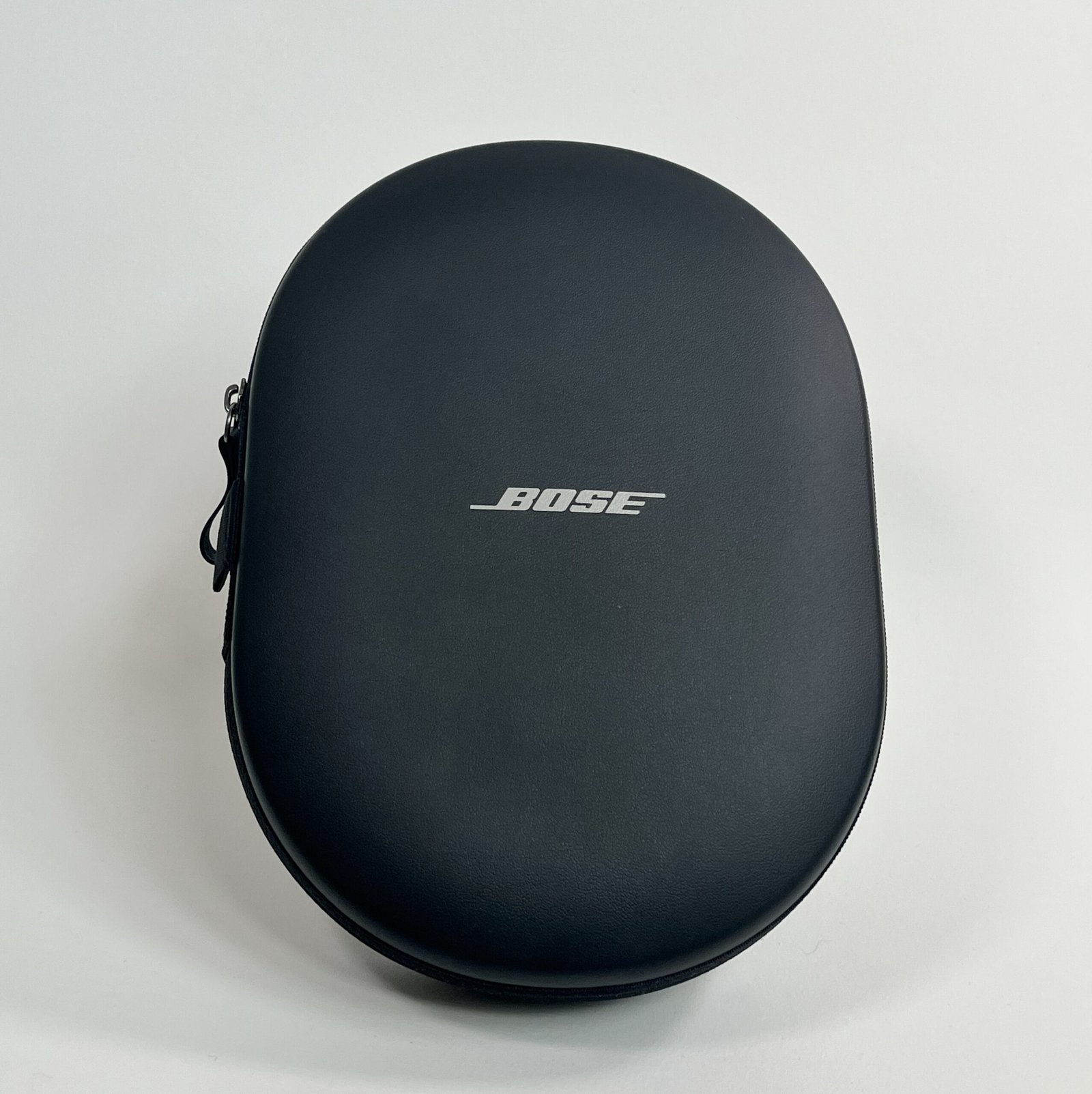
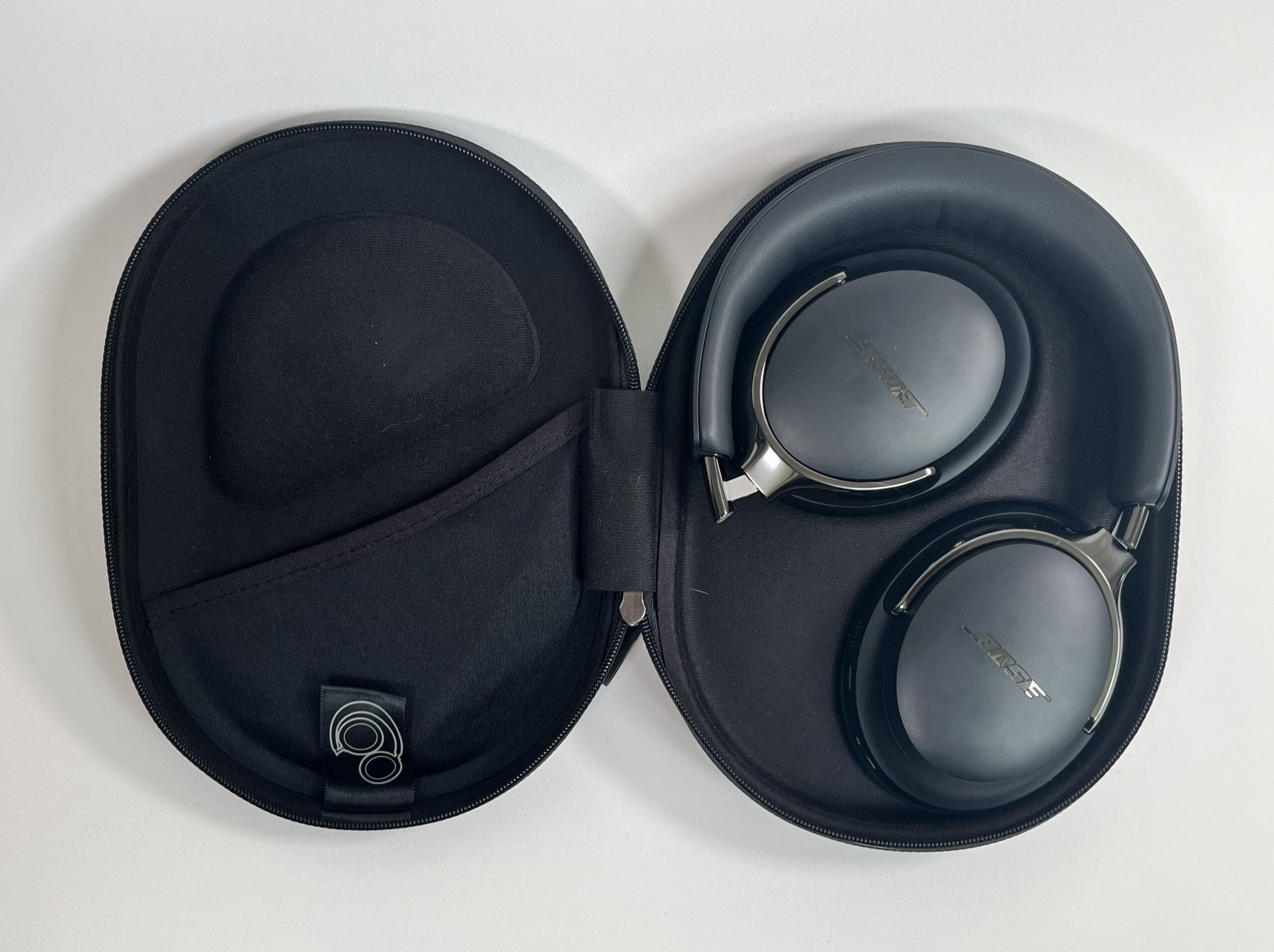
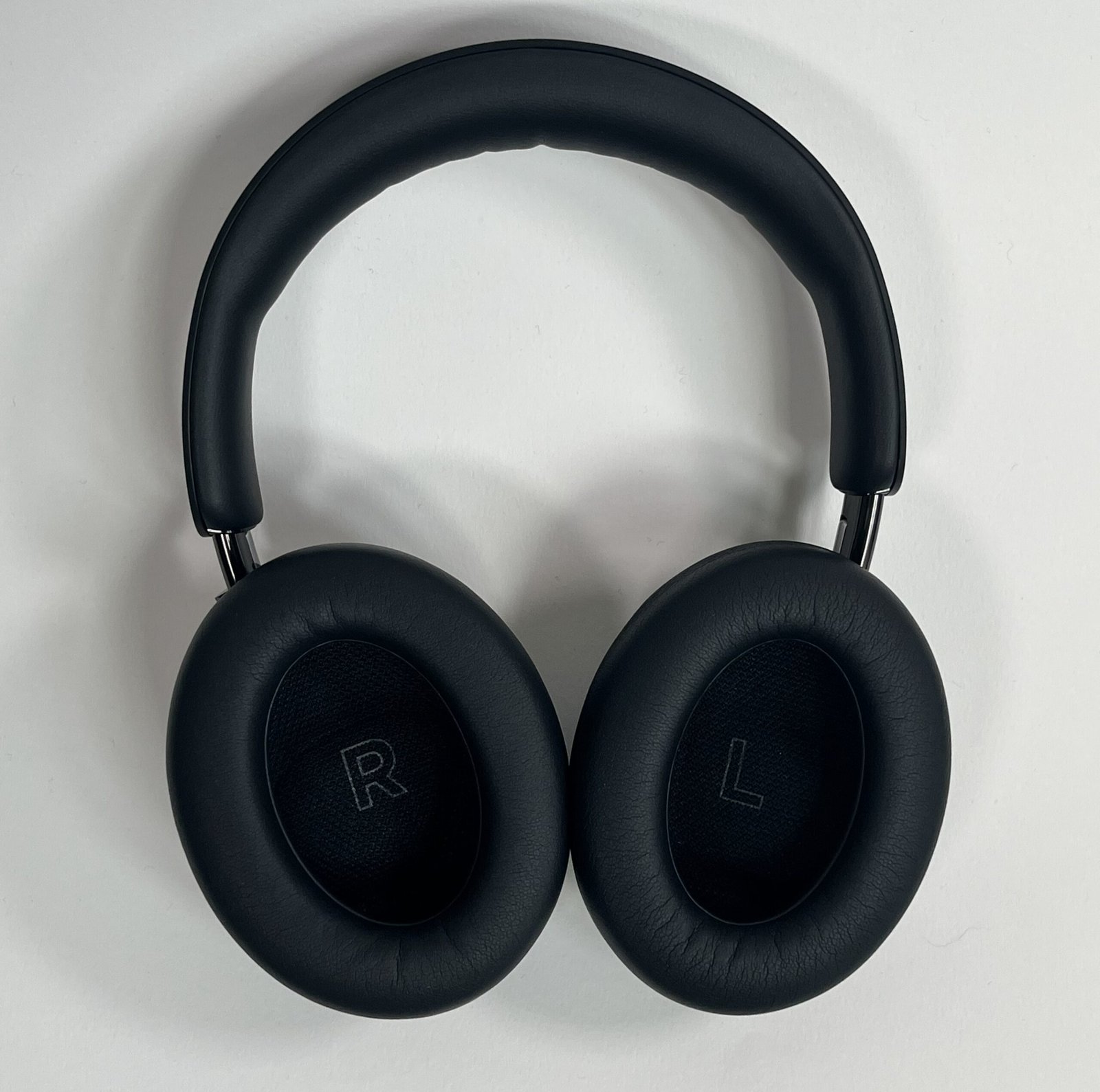
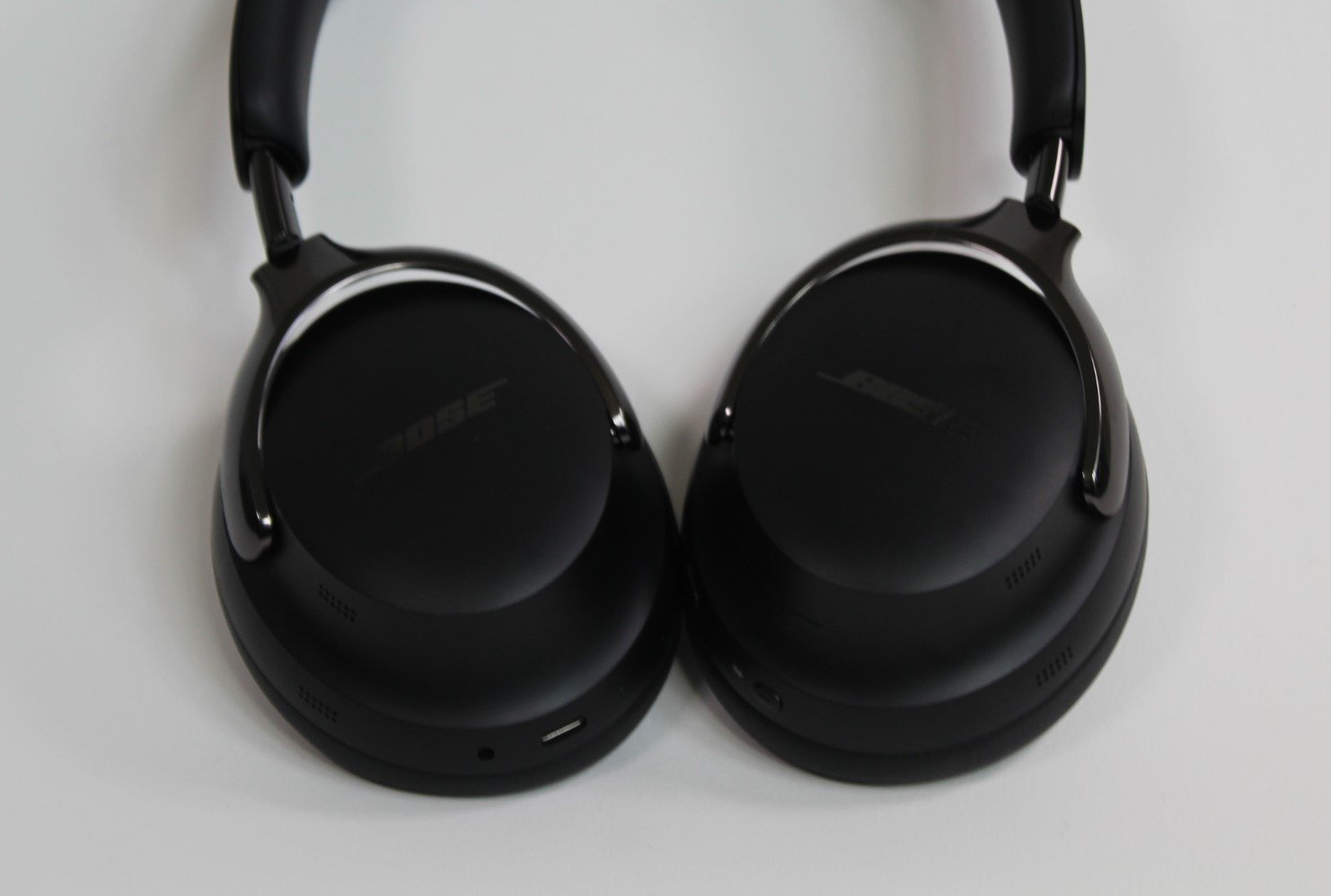
The unboxing
Field Trials
Real environments, real durations. The controlled results above are the evidence; this is how each product behaved in the rooms readers actually live in.
✓Quiet RoomThe calmest pressure of the four and comfy enough to keep on when a quiet room isn't quite quiet enough; the hiss from minute 5 is the only issue.open +close −
If you are sensitive to high pitched noises, note that a hissing tone in ANC Mode appears at minute 5 and stays. You can cover this easily by playing music or pink noise, but it is a deal breaker for some of us. Other than that, these are the headphones comfortable enough to leave for longer periods when a quieter room is still too distracting and you seek that deep focus. The clamp is the gentlest feeling of the four, the internal ear pressure holds at a mild 2 of 5 through the hour, and a little birdsong through an open window still comes in, so the world is quieted without being sealed off.
✓KitchenKettle three quarters gone and the fan 90 percent down, close to the Sonys; a comfortable, useful performer in a louder home-office kitchen.open +close −
–Open Plan OfficeVoices become very present once the air-con is cancelled, and the pressure turned semi-painful by minute ten, forcing removal after an hour in a room with real background noise.open +close −
A paradox in this environment. Like the Loop Engage earplugs when the mahcine noises were cut back, the even more irritating sound of people speaking became louder. For the U2s this meant that voices stayed intelligible at half volume, with ANC switched on. Worse, in a room with loud background noise the ANC worked harder, meaning that eardrum pressure turned semi-painful within ten minutes and forced removal after an hour, like airplane pressure building. In a loud office they become the problem they were meant to remedy.
✗CommuteFlagged not usable: the cancellation cut out at every road bump, the pressure reached borderline-painful 4 of 5 on one ride, and glasses broke the seal.open +close −
Flagged. Not usable. As first flagged by the teenage user, the cancellation cut out with an audible blip at every bump in the road, many times a minute, in silent mode and with a signal playing. Furthermore, the in ear pressure the ANC produces is intense. It got scored a borderline-painful 4 of 5 and had to come off. Glasses broke the seal unless the arms sat above the band in this type of environment. All this considered they are a poor performer, despite a marketing claim for being ‘great’ on commute.
–SupermarketSomewhat helpful, not transformative: needs music or pink noise to reach real quiet, aware mode made the tannoy louder, and the glasses seal leaked here.open +close −
Somewhat helpful, not a transformation. The fridge noises and trolley clatter dropped by a third to two thirds, but the tannoy PA announcement comes through nearly untouched, and aware mode made it louder rather than softer. The glasses seal leaked here, arms needing to move above the band. With music playing the overwhelming sounds of your weekly shop mostly recede; without music, an overwhelming store becomes only slightly less so.
–Restaurant / CafeTakes the edge off a tricky room with little of the din breaking through, but killing the low hum made the music more present; not a recovery tool.open +close −
Bose Ultra 2 took the edge off it but less than others. Only about 10 percent of the din came through as hum or woosh. But the same scenario as the open plan office: cancel the low hum and the background music gains presence, unhelpful when you are trying to relax and enjoy your beverage. The Ultra’s advantage arrives only once you play a music or pink noise, at which point it blocked more than any headphone tested. However who says when you are overloaded you actually want to listen to music or a pink sound? Not a recovery tool here. Foam earplugs blocked more of the cafe out, placing you in stillness without needing to play your own music.
Claims Checker
What the packaging says vs. what was found.
| The claim | Finding | Note |
|---|---|---|
| “The world's best noise cancellation” | – PARTIAL | Mid-pack of the four tested: beaten by the Sony XM6 through the engine and appliance band, matched higher up, at the highest price of the set |
| “Immersive, spatialised sound” | – OUT OF SCOPE | Audio and spatial-audio quality sit outside this investigation's sensory scope; what was tested is what the cancellation does to the wearer |
| “All-day comfort” | – PARTIAL | The gentlest clamp and no ache at ninety minutes, but the heaviest body tested, hot compressed ears by ninety minutes, and pressure that turns semi-painful in loud rooms |
| “CustomTune adapts the sound to your ears” | – NOT TESTED | Adaptive tuning behaviour was not isolated as a sensory variable; testing was locked to Quiet mode throughout |
How the Investigation Tests
Nine tones at three listening conditions, timed eardrum pressure scores, live trigger sounds, a balloon clamp proxy, and six real environments with logged noise levels. One tested unit, one pair of ears, methods disclosed in full: the ANC testing methodology.
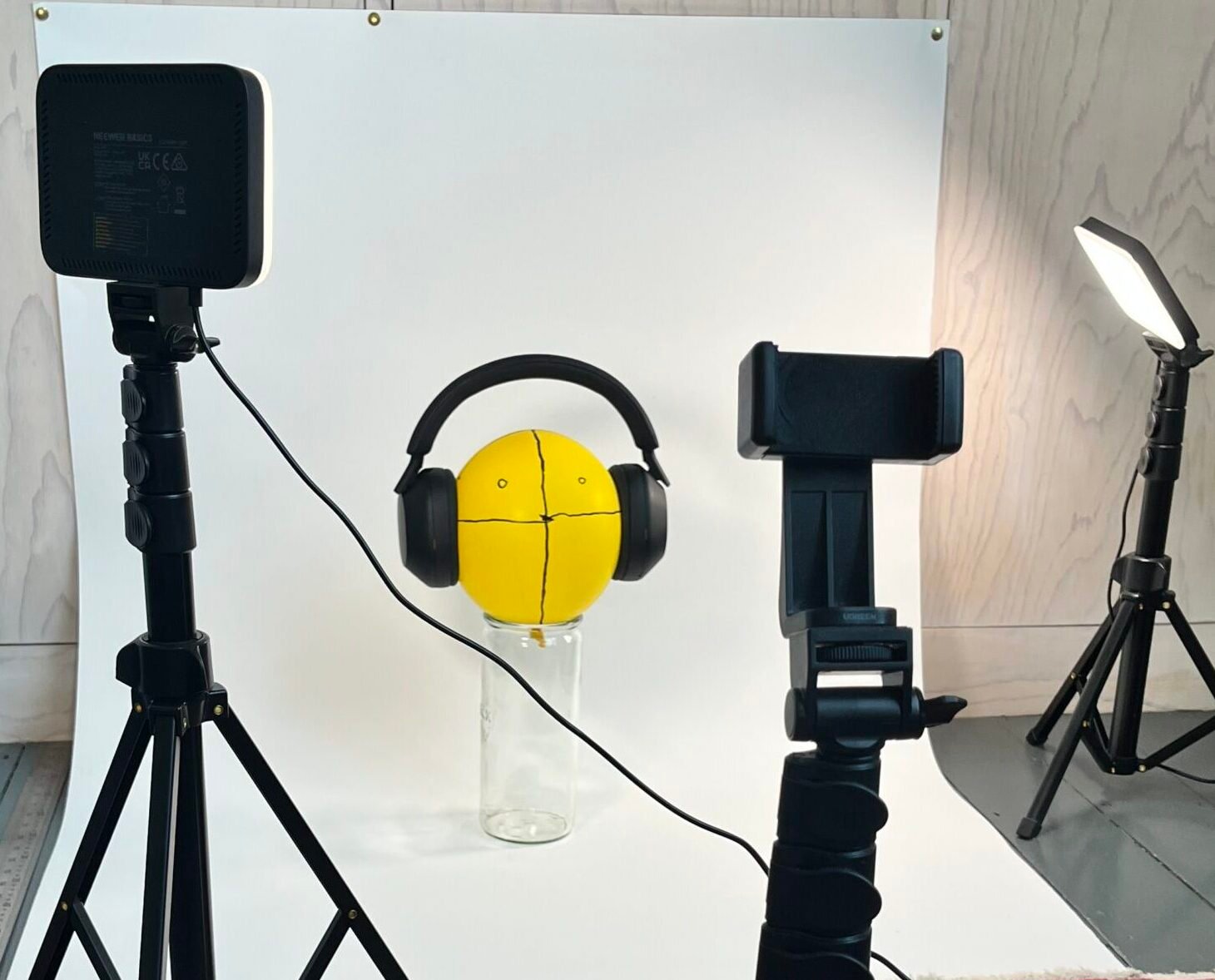
balloon test rig
Tested on firmware 8.2.20. Behavioural claims are version-stamped.
Case Conclusion
Who this suits, and who it doesn’t.
- In quiet locations, cause low eardrum pressure
- Good if your head/jaw is sensitive to clamp pressure and you have a smaller head
- Best noise control when playing pink noise or music
- A high quality, heavy build
- The best misophonia reduction with ANC mode only- lip smacking down by 85 percent
- The only headphone tested with no chemical smell
- Painful pressure once the ANC works hard: offices, cafés, buses
- Middling cancellation, beaten by the Sony XM6 in low and middle frequencies
- ANC cuts out with an audible blip at every road bump – not usable on a bus
- Not great if you are bothered by high pitched noises – these produce a high hissing tone
- The heaviest of the four at 264 g, and it slips when you tilt your head up or down
- Glasses break the seal at commuting volumes: arms must sit above the band or low hum leaks in
- The highest price of the four
Flagged, on balance. Due to opposing and contrasting experiences. The Ultra (U2 for short) provided a gentle feeling but strong measured clamp on larger heads. There was a lower amount of In Canal Pressure (ICP) for pressure sensitive ears in quiet places but it became very painful in noisy environments when the electronics were working hard. It was strong at cancelling out misophonia with the best result recorded on lip smacking. Other real world results were often middling. However, the commute undid everything: the cancellation cut out with an audible blip at every road bump, many times a minute, which no rival did and which a second user confirmed ‘unusable’. Add eardrum pressure that turned semi-painful in a loud office and a seal that glasses break at commuting volumes, and the premium price stops looking like value.