
Flare Calmer Pro (Mini) Sensory Review
A premium-priced upgrade whose aluminium core, on this investigation's tone test, produced no measurable gain over the standard Calmer it costs about twice as much to replace, and a harder body that was less comfortable to wear.
Case report within Investigation No. 2. Six test environments. One reviewer with a smaller-than-average ear canal. Compared directly against the standard Flare Calmer Mini. Flare publishes no independent attenuation certification for either. Subjective sensory impressions, not laboratory measurement.
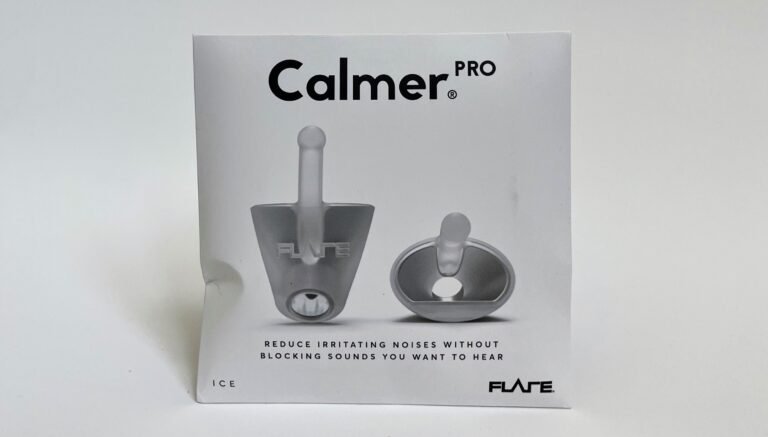
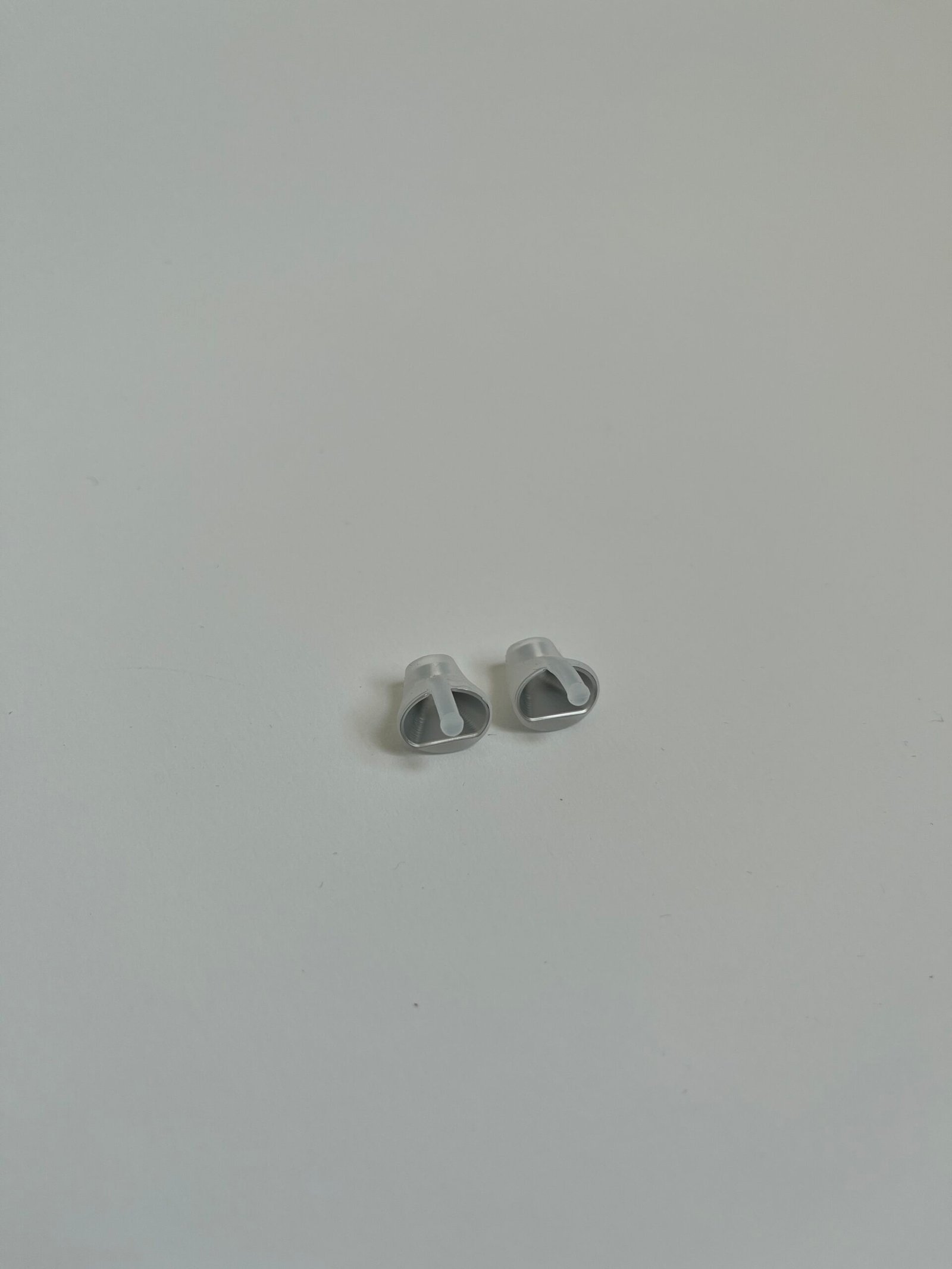
Fig. 1 – Exhibit A. The aluminium-core Pro, in black. Visually and, on test, functionally near-identical to the standard Calmer at half the price.
They look the part, unboxed: the premium version, the aluminium core, the promise of a subtler and stronger version of an effect you were already hoping to feel. You put them in and wait for the upgrade to announce itself. Half an hour later you’re still waiting, and the quiet test that follows, the same one the cheaper pair faces, asks whether the metal inside is doing anything your ears can actually detect. On test, the honest answer was no.
Sensory Scorecard

What these eight axes mean
- Noise
- External sound, unpredictable or unfiltered. Includes misophonia triggers.
- Scent
- Smell that registers as invasive. Lingers and transfers.
- Tactile
- Surface contact on skin and in the ear: texture, friction, residue.
- Proprioceptive
- Physical pressure and the sense of something seated in the ear.
- Interoception
- Internal body signals the seal amplifies: heartbeat, breathing, pulse.
- Visual
- How the product looks; light, pattern, or appearance factors.
- Hygiene
- Contamination sensitivity: cleanliness, residue, the look of the product.
- Social
- Other people as a sensory source, plus the social cost of wearing it.
✗ Noise
The least effective noise result of the ten products tested, and no measurable gain over the cheaper standard Calmer.
The aluminium core is Flare’s stated reason for the Pro to exist, with the gain pinned to the 2 to 8kHz band, and because that claim carries a number it can be put on the test bench. On the nine-tone test the result was one finding: about 25% blocked at 4kHz, and essentially everything else, from 75Hz through the whole claimed range to 15kHz, passing through, which is the same figure the standard Calmer produced. At 8kHz the Pro measured marginally worse. For scale, on the same test Loop Quiet 2 blocked about 80% at 4kHz and Ohropax Classic Wax about 90% below 1kHz, so the Pro sits at the bottom of the set. The method behind these figures is set out in how these earplugs were tested for sensory sensitivity, and the own-voice effect is explained in the occlusion effect explained.
✓ Scent
A faint plastic smell on the device; packaging unscented.
– Tactile
The aluminium core makes a harder body that resists the canal, building pressure faster and staying, with a recurring entrapment concern.
The aluminium core changes the feel in a way the marketing doesn’t acknowledge. Where the standard Calmer Mini’s soft silicone adapts to the canal over time, the Pro sits against the canal wall with the resistance of a harder material: noticeable at five minutes, a persistent need to pop the ears by thirty, uncomfortable by sixty, with a headache noted after longer wear. The entrapment concern is the other flag. The standard size couldn’t be safely seated and was set aside, and while the Mini went in adequately, the sense that it sat too deep recurred throughout rather than settling after first use, which matters for anyone with a smaller canal who already finds insertion anxiety a problem. On test, this is a worse product to wear for a long stretch than the cheaper version, for no measured acoustic gain.
✓ Hygiene
Clean after repeated use, and the black finish hides wax well.
No discolouration or degradation after multiple sessions, and the silicone wipes clean with a tissue. The black colourway is a genuine practical advantage here: earwax doesn’t show, which removes one hygiene-related anxiety present with translucent products. Wouldn’t be shared without sterilising. On balance a strong hygiene performer, the same as the standard Calmer.
– Proprioceptive
A noticed presence rather than a seal, made more pronounced over time by the harder core, with some jaw-movement dislodging.
The proprioceptive experience is the same kind as the standard Calmer Mini, a permanent noticed presence in the canal rather than a settled fit, but the harder aluminium-cored body makes it more pronounced as the time passes. There’s no seal to habituate to, and the recurring urge to pop the ears is the dominant sensation over a longer wear. For anyone whose proprioceptive sensitivity is already heightened, the stiffer Flare body is a point against rather than for.
✓ Interoception
Low internal-body intrusion: heartbeat absent, breathing only slightly raised.
Because nothing seals, the inward amplification that troubles sealed plugs is gentle. The heartbeat stays absent, breathing is only slightly raised, footsteps absent, own chewing a little louder than normal. The profile is the same as the standard Calmer, so the aluminium core makes no difference here either. Context is on the occlusion effect explained.
✓ Social
Socially invisible and fully conversational, reading as an ordinary black earbud.
On appearance and on talking, the Pro is socially easy: it passes as an ordinary earbud, draws no attention on the bus, in a shop, or at a desk, and keeps speech clear so you stay in the conversation. The black colourway also quietly removes the wax-on-show worry of the translucent versions. As with the standard Calmer, the only real social cost is logistical, the fiddly carry case rather than anything about how it looks or sounds. The open question is the same one the noise axis raises: whether it’s doing anything for you while you wear it.
Frequency Perception

% = signal allowed through. Lower = stronger attenuation. Tone generator (NAD C320 / B&W S601, 33% volume, 50cm). 15kHz via iPhone at 6 inches. Subjective perception, not laboratory measurement.
What the Testing Showed

Flare gives the Pro a single job over the standard Calmer: an aluminium core said to improve stress reduction through better sound reflection in the 2 to 8kHz range. That is a testable claim, so it went on the bench. The nine-tone test returned one measurable effect, about 25% blocked at 4kHz, with all other sounds from 75Hz to 15kHz passing straight through unhindered, which is the same result the standard Calmer produced. At 8kHz, the top of the claimed band, the Pro measured a touch worse than the cheaper version. Placed against all ten products in the investigation, this is the least effective noise result of the tone test set: for context, Loop Quiet 2 blocked about 80% at 4kHz on the same test.
The aluminium core did make a difference to the feel, in the wrong direction. Where the standard Calmer’s soft silicone adapts to the canal, the Pro’s stiffer body resists it, so surface pressure was noticeable within five minutes, a persistent urge to pop the ears set in by thirty, and a headache followed longer sessions. The entrapment concern recurred across the whole testing period rather than settling, and, as with the standard version, there was mild own-voice and breathing amplification against the no-occlusion claim. Across the six live environments nothing became more manageable and no sound category was reduced, for this reviewer, with or without the upgrade.
So, on the terms tested, the verdict is flagged, and the precise finding is the comparison: the Pro produced no measurable attenuation gain over the standard Calmer, was less comfortable to wear because of the harder core, and costs roughly twice as much. This isn’t a claim that the device can do nothing for anyone, only that the premium upgrade didn’t justify itself on this investigation’s test. If the calming high-band effect is what you’re after, the standard Flare Calmer reaches the same result for less, since the core is the only thing that changes; if you want daily noise actually reduced, which isn’t what either Calmer sets out to do, the Alpine PartyPlug is the one to read next.
What this product is
- Hollow body with aluminium core — a silicone outer over an aluminium inner, all one piece; the hollow construction removes the piston effect, while the metal stiffens the body so it resists the canal rather than adapting to it
- The mechanism — the same resonance-modification idea as the standard Calmer, with Flare attributing extra 2-8kHz stress reduction to the metal core's sound reflection; on this investigation's tone test that produced no measurable gain over the standard version
- No separate tip or filter — a single moulded unit, nothing to assemble or replace
- Carry case — small fabric bags (insecure) or the hard filter-pack case (more secure but fiddly to rummage), the same weak point as the standard Calmer and less convenient than the Loop or Alpine cases
The Investigation

First Impressions
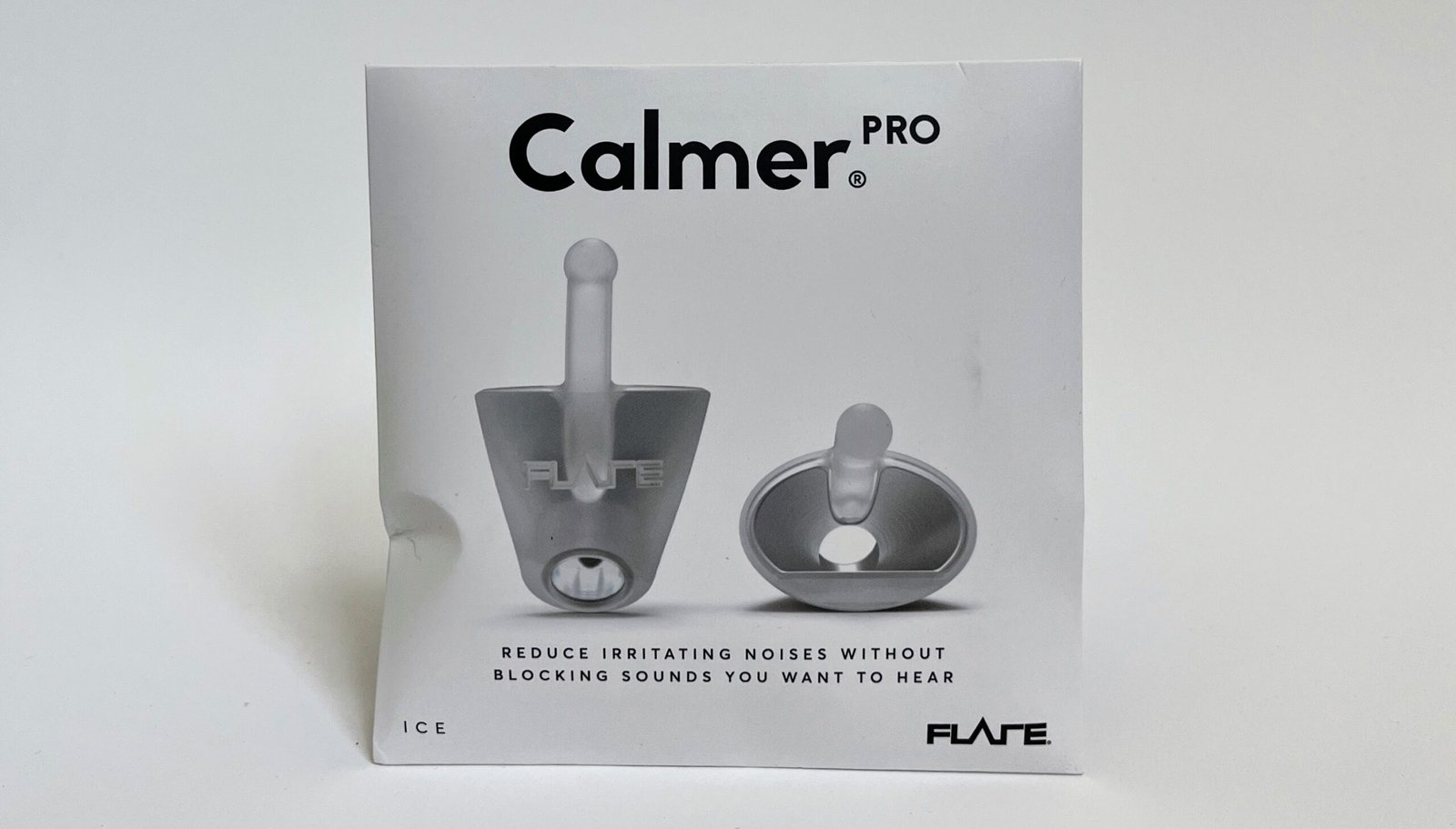
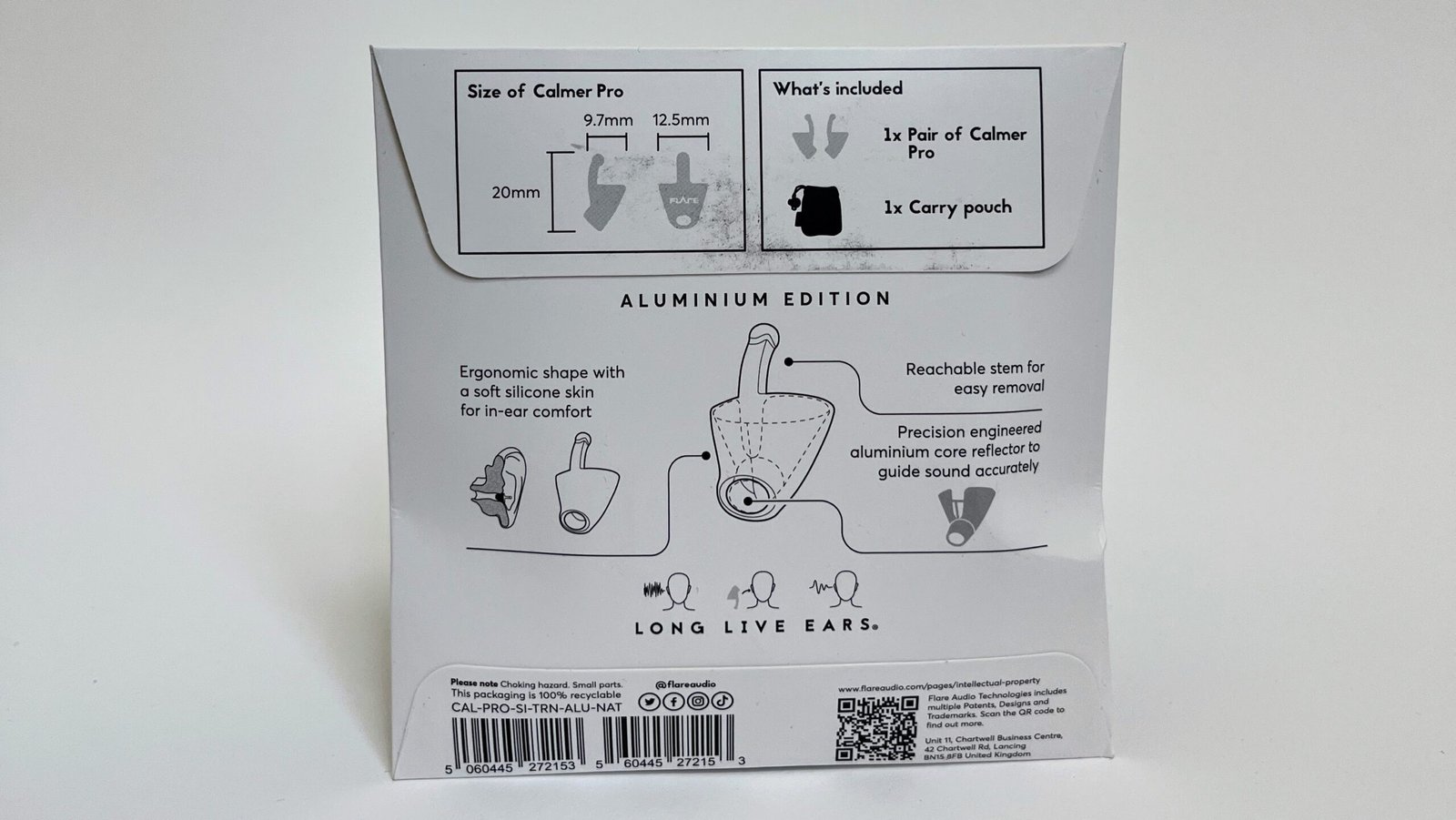
The packaging matches the standard Calmer: a plain white envelope, a bit crumpled in transit, no-frills but very well sealed, with a fiddly glued flap. The pieces are small and easy to drop, matte silicone with the metal hidden inside, the little tail jiggling oddly, a bit like a small animal. A faint plastic smell on the earpieces, none on the pouch. The carry arrangement is the weak point again: the bags don’t cinch shut well, and the filter-pack’s hard case became the default but means rummaging to find the bits.

✗ Quiet Room All presence and pressure, no benefit, plus a recurring entrapment worry
The Mini size was needed and went in feeling deep, with a real entrapment concern on first use, a genuine flash of panic that they’d lodge, that eased only once removal proved easy, and recurred each session. No piston effect. Own voice came back about 10% boomier, breathing slightly raised, heartbeat absent, footsteps absent. The room stayed fully present. Pressure built within five minutes and by thirty there was a persistent urge to pop the ears, more than with the standard Calmer’s softer body. Removal was effortless.
– Home Office The only flicker of use: a sliver of high appliance hiss trimmed
No real benefit, and nothing the standard Calmer didn’t also do. The kettle was a touch softer at the very top of its hiss, the extractor’s upper woosh trimmed by perhaps 10%, while the low hum, the washing machine, and the body of the noise were unchanged. Speech at a metre stayed fully clear, a shade less sibilant. There was nothing here to distinguish the Pro from the cheaper version, and nothing that made the room meaningfully quieter.
✗ Commute Engine and voices unchanged; the canal pressure made the trade poor
Little effect, and the canal pressure made the trade a poor one. Engine and road noise came through as normal, passenger voices fully audible at normal volume, a PA announcement entirely clear, sudden events as startling as ever; only one higher band of the bus fan seemed slightly reduced. Conversation was easy, own voice up about a quarter. The noticeable skin-contact pressure from the body, without any matching drop in noise, was the main thing the bus journey added.
✗ Supermarket Essentially no help in a high-input shop
Essentially no help. The PA, the checkout beeps, the refrigeration hum, the trolley impacts, the music, and other shoppers’ voices all came through at normal volume, with some pressure noticeable when speaking. Talking to staff was no problem. No improvement over the standard Calmer, and nothing that made a high-input environment easier to be in, for this reviewer.
✗ Open Plan Office For an open plan office, did not address any noise issues
Not useful. Keyboard noise softened only into a gentle tapping, a neighbour’s phone call stayed clear, the full range of HVAC was audible as normal bar a sliver of upper fan sound, and desk-eating sounds were unchanged and just as distracting. A colleague speaking directly was clear. The one band the design touches isn’t the office’s real problem, so the Pro, like the standard Calmer, didn’t earn its place at the desk.
✗ Restaurant / Cafe No purpose found; mouth noises came through unfiltered
No purpose found in this setting. The problem sounds, especially mouth noises, came through unfiltered, cutlery and chewing as present as without, the hubbub intact. A companion was intelligible. There was no version of this environment the Pro improved, and the canal pressure made a longer sitting less comfortable rather than more. Not a setting it helped with, on test.
What the packaging says — what was found

What the packaging says — what was found

| The claim | Finding | Note |
|---|---|---|
| "No muffling: does not block or muffle sound" Holds | ✓ | True on test: there was no muffling. |
| "Improved stress reduction versus the standard Calmer, via the aluminium core" Partial | – | No improvement over the standard Calmer was noted, and the tone test showed no extra attenuation; neither version reduced this reviewer's stress response in testing. |
| "Does not cause the occlusion effect" Partial | – | There was a mild occlusion effect for breathing and speaking, on test. |
| "Does not increase sensitivity over time" Partial | – | After longer sessions this reviewer felt more sensitive to noise on removal, with a headache noted. |
| "Reduces ear resonance at 2 to 8kHz" Partial | – | The nine-tone test showed a modest reduction only at 4kHz, not across the full claimed band, and not at a level that helped in live environments. |
| "Worn in noisy places where you still need to hear and communicate" Partial | – | Communication held, but on test almost all the noisy environmental sound was present as normal. |
| "Wear for long periods without discomfort" Partial | – | The harder aluminium-cored body was very present, with pressure building and a headache after longer wear. |
Who this suits — and who it doesn’t

- No piston effect, since the hollow design traps no air against the eardrum, shared with the standard Calmer
- Clear speech intelligibility in every environment, the one consistent positive
- No isolating over-attenuation, since the full soundscape stays present by design
- Strong hygiene, and the black colourway hides any wax so it stays looking clean
- Effectively invisible worn, reading as an ordinary earbud
- Blocks only about 25% at 4kHz and lets essentially everything else through: by design it isn't built to reduce noise, so for anyone wanting that, it's the wrong tool and the tone test confirms it
- The aluminium core makes a harder body that resists the canal, with pressure building within five minutes and a headache after longer sessions
- A persistent entrapment concern on insertion that recurred throughout, not just on first use
- Mild own-voice and breathing amplification, against the no-occlusion claim
- No daily-noise relief this reviewer could rely on in any of the six environments
- Roughly twice the price of the standard Calmer for no tested benefit
The Calmer Pro takes the standard Flare Calmer, a hollow resonance modifier rather than an earplug, and adds an aluminium core, with Flare attributing improved stress reduction to better sound reflection in the 2 to 8kHz band. That’s a claim with a number behind it, which means it can be tested. On this investigation’s nine-tone test, the Pro blocked about 25% of the signal at 4kHz and let essentially everything else through, from 75Hz to 15kHz, which is the same result the standard Calmer produced, for roughly twice the price. At 8kHz it measured a touch worse than the standard version. So the upgrade, on test, added no extra attenuation.
What the aluminium core did change was the feel, and not for the better. Where the standard Calmer’s soft silicone adapts to the canal, the Pro’s stiffer body resists it, so surface pressure was noticeable within five minutes and a persistent urge to pop the ears set in by thirty, with a headache after longer sessions. The entrapment concern on insertion, common to this small hollow design, recurred throughout rather than settling. As with the standard version there was mild own-voice and breathing amplification, against the no-occlusion claim.
So the verdict is flagged, on the terms tested, and the finding is narrower than a blanket dismissal: the Pro delivered no advantage over the cheaper Calmer it’s built from, the calming effect both are designed to produce was no stronger for the metal core, and across six environments neither version gave this reviewer relief it could rely on, while the Pro costs about twice as much and was less comfortable to wear. If the narrow high-band effect is what you’re after, the standard Flare Calmer delivers the same measured result for less. For products that did reduce daily noise on test, see Loop Quiet 2 or the comfort-led Alpine PartyPlug. For all ten, see Earplugs for Sensory-Sensitive Adults.