
Loop Engage Earplugs – Sensory Review for Sensory-Sensitive Adults
A gentle, proportional filter with one quietly brilliant trick: it's hollow, so there's no piston pressure on insertion. The catch is the occlusion, which makes your own voice the thing you can't filter out.
Case report within Investigation No. 2. Six test environments. One reviewer with a smaller-than-average ear canal. Subjective sensory impressions, not laboratory measurement.
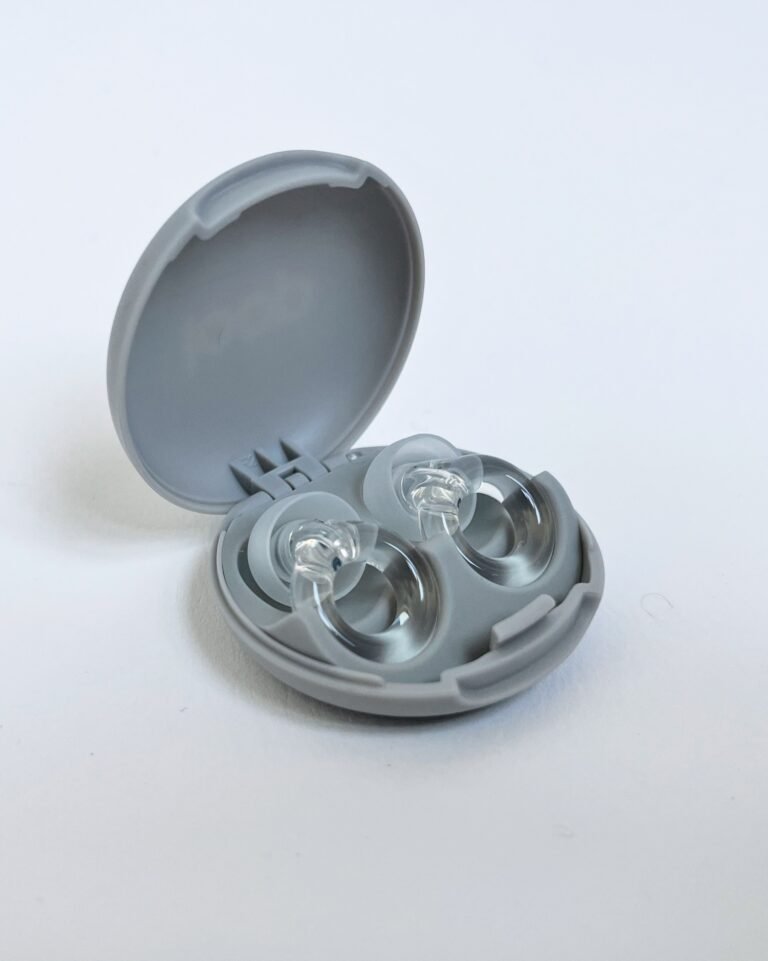
Fig 1. Exhibit A. Loop Engage. Under investigation.
The product is called Engage, and you can see why you’d want it to be true. The plug you can leave in while you talk to the cashier, keep up with the table, stay in the room instead of stepping out of it. The first time you answer a question with these in, your own voice arrives back at you booming and strange, and you understand the quiet joke in the name. You can hear everyone perfectly. It’s being heard, by yourself, that’s the problem.
Sensory Scorecard

What these eight axes mean
- Noise
- External sound, unpredictable or unfiltered. Includes misophonia triggers.
- Scent
- Smell that registers as invasive. Lingers and transfers.
- Tactile
- Surface contact on skin and in the ear: texture, friction, residue.
- Proprioceptive
- Physical pressure and the sense of something seated in the ear.
- Interoception
- Internal body signals the seal amplifies: heartbeat, breathing, pulse.
- Visual
- How the product looks; light, pattern, or appearance factors.
- Hygiene
- Contamination sensitivity: cleanliness, residue, the look of the product.
- Social
- Other people as a sensory source, plus the social cost of wearing it.
– Noise
Moderate, proportional filtering that softens a room without silencing it, with occlusion as the cost.
This is reduction by proportion, not by surgery. Loop Engage turns the whole room down by roughly half without removing any one band, which is the deliberate design and, for the right person, the point. Low-frequency rumble stays largely present (it won’t quiet a bus engine), while the upper-mid and high sounds, the checkout beeps, the cutlery, the sharpness, come down enough to take the edge off. Compared with the Quiet 2 it lets noticeably more through across the range. The cost is the occlusion effect: the more you try to participate, by speaking or eating, the more you notice what it’s doing to you rather than to the room. The mechanism behind that boom is set out in the occlusion effect explained. For stronger reduction at the entrance seal without canal insertion, Ohropax Classic Wax cuts the low end to a fraction of the Engage’s level.
✓ Scent
Effectively unscented in use.
✓ Tactile
Clean, low-friction, and quietly clever: the hollow design means no piston effect on insertion.
Insertion and removal are quick, clean, and repeatable, with no residue and nothing to prepare. The headline is what Loop doesn’t tell you anywhere on the box: the Engage is hollow. An internal mesh filter and an open channel mean air passes through on the way in, so there’s none of the trapped-air column that presses on the eardrum with the Quiet 2 or with wax. For a smaller canal, or for anyone who’s found flanged silicone sharp to insert, that absence is the whole difference. The limit is the fit pressure, which builds from about 30 minutes and decides how long you’ll keep them in.
✓ Hygiene
The strongest hygiene performer in the investigation: wipes clean in seconds and looks new after repeated use.
This is the lowest-maintenance product in the whole set. The silicone tip wipes clean in seconds, keeps its appearance after five or more uses, and leaves no residue on hands or ear. After removal it looked clean and reinsertable every time. The one first-use oddity is cosmetic: the black core visible through the clear stem looks like lodged dirt on a brand-new plug, which is disconcerting until you realise it’s structural. If that look bothers you, the black-bodied Quiet 2 avoids it. For anyone with hygiene-related disgust sensitivity, this is a clear advantage over wax or foam.
– Proprioceptive
A reassuring, consistent seal, with a deep-seat awareness and a soft-thunder amplification when you move.
The deep insertion the Engage needs, loop flush against the outer ear, leaves a low-level ongoing awareness of something seated in the canal: not painful, but present. Walking and moving the body produce a soft-thunder amplification of footsteps and body vibration, distinct from the fit pressure. The reassurance is that the seal is steady and never feels precarious, even if the depth takes getting used to.
– Interoception
Occlusion brings breathing forward; the heartbeat stays quiet and footsteps are softer than the Quiet 2.
The seal turns the attention inward, as the sealing plugs tend to. Breathing through mouth and nose comes forward and is intrusive in a quiet room, easing once a room is busy. Footsteps are faint, noticeably less than the Quiet 2. Own chewing doubles. The heartbeat stays absent, which is a mercy. For some this inward turn is grounding; for others it’s the part that makes a sealed plug hard to tolerate. The mechanism has its own page: the occlusion effect explained.
– Social
Invisible enough socially, but the occlusion makes the "engage" promise narrower than the name suggests.
On looks there’s nothing to manage: the clear loop passes as an ordinary earbud everywhere it was tested. The social catch is acoustic and it’s the heart of the verdict. The name promises participation, but the occlusion effect means speaking at length means taking them out, and eating with them in amplifies your own chewing. The honest use case is the conference, the lecture, the family dinner where you’re mostly there to listen: turn the room down, stay in your seat, leave the talking light. For staying genuinely in the conversation, the trade-offs differ across the range; the Quiet 2 vs Engage comparison lays out which suits which moment.
Frequency Perception
% = signal allowed through. Lower = stronger attenuation. Tone generator (NAD C320 / B&W S601, 33% volume, 50cm). 15kHz via iPhone at 6 inches. Subjective perception, not laboratory measurement.
What the Testing Showed

The headline finding isn’t in the marketing, and it’s worth stating plainly: Loop Engage is hollow. An internal mesh filter and an open air channel let air pass through the plug on insertion rather than trapping a column of it ahead of the tip. The practical result is no piston effect, no eardrum compression going in, no pop coming out. For a smaller canal, or for anyone who’s found the Quiet 2 or wax sharp and sore to press in, that single design choice changes the physical experience entirely. It’s the most useful thing about the product and Loop says it nowhere.
On sound, the Engage filters gently and proportionally. The tone test shows roughly half the signal passing at 1kHz and above, with the low end (around 90% through at 75 to 125Hz) deliberately left alone, so it softens a room rather than sealing it. That’s about half as attenuating as the 3M 1100 across the range. It shines in low-to-moderate noise: domestic appliances knocked back about 70%, a sleepy bus made pleasant, an evening supermarket made calmer. It runs out of road in genuinely loud rooms and isn’t enough for active sensory recovery.
Then there’s the name. “Engage” implies you can join in, and the occlusion effect quietly disagrees. Your own voice booms, so conversation is fine for a short exchange and tiring beyond it. Worse, in a chatty open-plan office the filtering points the wrong way: it cuts the steady HVAC hum you’d habituate to and leaves the voice frequencies you can’t, so focus gets harder rather than easier. And for misophonia it’s double-edged, reducing other people’s chewing while amplifying your own. So the honest fit is narrow and real: a listening tool for a moderately noisy room, not a talking tool and not a recovery tool. Its closest comparators are the Loop Quiet 2 (stronger, but with the piston pressure the Engage avoids) and the Alpine PartyPlug (also speech-permitting, with very soft tips). The Quiet 2 vs Engage comparison sets the two Loops side by side across seven environments.v
What this product is
- Silicone tip — matte, low-friction, four sizes (XS, S, M, L); small used here, XS too deep for a smaller canal. No expansion pressure.
- Hard plastic stem — houses the internal mesh filter and the hollow air channel; this is the part that lets air pass through and removes the piston effect by design
- The mesh filter and hollow channel — the unmarketed mechanism: frequency filtering by resonance rather than simple blocking, tuned to pass voice frequencies preferentially
- The clear loop — the rounded transparent body with a lens look; the visible black core inside is structural, not dirt
- Reusable, with a carry case — compact round case, pleasing snap; wipe the tip clean, no specialist cleaning
The Investigation

First Impressions
The packaging is modern and clean: a cardboard box with a peel-back seal that reassures you you’re the first user, and an origami fold-out that turns fiddly once you’re in it. The case has a pleasing snap. The plugs are the clear variant, chosen for contrast with the black Quiet 2, and the rounded transparent loops have a lens effect that’s genuinely nice to look at. One thing gives pause: a small black core sits inside the clear stem and reads, on a brand-new plug, like a piece of trapped dirt. It isn’t, it’s structural, but if that look would bother you, the black version sidesteps it. A faint solvent smell on a close sniff, gone in use.
– Quiet Room Gentle and pressure-free, but all occlusion and no noise to soften
The matte tip goes in with a little force and a twist. The extra-small sat too deep; the small gave a better seal at slightly more pressure. Then the discovery: no piston effect on the way in. Where the Quiet 2 and wax press air against the eardrum, the Engage simply doesn’t, and once you notice the absence you can’t unnotice it. Breathing was intrusive from the first minute. Own voice came back boomy and resonant, enough that speaking aloud made sustained conversation feel off the table. Own chewing was strongly amplified; the heartbeat absent. Over-attenuation was mild, a slight disconnect only. Pressure was noticeable at 15 minutes and building uncomfortably in one ear by 30. Removal was effortless and clean.
✓ Home Office Softens mechanical background nicely for focus, if you're not talking or eating
A fine performer in a low-sensory domestic space. The kettle dropped about 70%, both the rumble and the upper hiss, leaving a muffled spread across the frequencies. The extractor fan came down about 70%, with a little of the soft woosh still audible, more than the Quiet 2 leaves. The washing machine spin was cut by a third to a half and softened. A teaspoon into a porcelain sink gave a slightly muffled clink, a touch harsher than with the Quiet 2. Speech at a metre stayed clear and intelligible, though breathing remained perceptible under the noise. Excellent for reducing mechanical background to concentrate or recover, as long as you’re not eating or planning to talk.
– Commute A pleasant softener for an easy ride; not enough when you're already overloaded
A reasonable bus companion as an environmental softener. The low engine rumble dropped but was partly felt in the head through occlusion, with mid and high engine and fan noise still coming through. Passenger voices stayed word-clear, more sibilant speech than the Quiet 2 lets in. A PA announcement was clear, the low end of it felt as well as heard. Another passenger’s phone audio was slightly muffled but still present and irritating. Sudden events, a door slam, a brake, lost their startle. Conversation was easy to hear but distracting to hold because of the resonance, so short exchanges only. The plugs stayed put through the ride. For more protection on a heightened-sensory day, the Quiet 2 or a wax option does more.
✓ Supermarket Voices, beeps and hum all softened: a calmer evening shop
More effective sensory reduction than the Flare Calmer, and a calmer shop overall. The PA stayed clear but softened, not startling. Checkout beeps came down with some character change. The refrigeration hum was noticeably reduced. Trolley impacts and shelf-stacking softened into a general background. Background music vanished in a quiet store and pushed through in a loud one. Other customers’ voices softened and became easier to tune out. A short exchange with a staff member was possible. Occlusion was there if you attended to it but took a back seat to the environment. No self-consciousness, no awkwardness adjusting. For a pre-existing state of sound stress, a stronger option would serve better.
✗ Open Plan Office Cuts the hum and leaves the voices, so focus gets harder, not easier
The stage where the name overpromises most. Keyboard volume dropped by about half but the clicking stayed very audible. A neighbour’s one-sided phone call came through with words clear, and here’s the trap: with the HVAC hum cut, the voices became more prominent and more distracting, not less. Desk-eating sounds nearby stayed audible and unpleasant. A colleague speaking directly was clear with no need to remove them, but conversing meant taking them out, with nowhere comfortable to hold them meanwhile. The removal-reinsertion cycle is clean and practical. Over-attenuation wasn’t a problem; the floor stayed present. Not a useful tool for an office where people are talking and the goal is to focus on work: the filtering keeps voice frequencies prominent while removing the hum, the opposite of what you want.
– Restaurant / Cafe Good for listening and socialising; your own chewing is amplified, so not for a meal
Helpful for socialising, counterproductive for eating. Cutlery clatter and scraping stayed fairly present, softened in volume and character. Background music dropped by about half but remained. The general hubbub softened across all frequencies, voices, kitchen, music, beeps, all reduced but present. A dining companion was intelligible, which is a genuine advantage here. Sudden sounds, dropped crockery, bursts of laughter, were much improved and no longer jarring. The limiting factor is own chewing: the occlusion amplifies it to a strongly intrusive level, so the product reduces other people’s eating sounds while making yours worse, which is exactly wrong for a misophonia user who’s also eating. A good analogue is a conference: present to listen, not to speak, turning the volume down for a stretch.
What the packaging says — what was found

What the packaging says — what was found
| The claim | Finding | Note |
|---|---|---|
| "Lets you engage with the world while filtering noise" Partial | – | You can hear most of the world, voices and music pass through, but "engage" by speaking or eating is constrained by the occlusion effect. Hearing is retained; participation isn't. |
| "Crystal clear conversation without the head-underwater effect" Partial | – | Listening to others is surprisingly clear. Your own voice stays boomy and occluded: the head-underwater feeling is reduced versus the Quiet 2 but not gone. Short conversations work; longer ones need removal. |
| "16dB SNR / 10dB NRR noise reduction" Holds | ✓ | The tone test shows proportional reduction consistent with the rating, about 50% of signal at 1kHz and above, roughly half as attenuating as the 3M 1100. |
| "Designed for social situations" Partial | – | Viable where you're listening rather than speaking. Speaking at length needs removal; eating amplifies your own chewing. The social use case is narrower than the marketing implies. |
Who this suits — and who it doesn’t

- No piston effect on insertion: the hollow design lets air pass through, so no eardrum compression going in and no pop coming out
- A real advantage for smaller canals and anyone whose ears hurt pressing a plug in
- Gentle, proportional reduction that softens a room without sealing you off, so little over-attenuation anxiety
- You can still hear others clearly: speech stays intelligible without removing them
- The strongest hygiene performer in the investigation: wipes clean in seconds, looks new after repeated use
- Reads as an ordinary clear earbud in public, no medical-device look
- Removal is clean and the on-off cycle is practical for short exchanges
- The occlusion effect makes your own voice boom, so a full conversation isn't practical
- Your own chewing is strongly amplified, so it works against you for misophonia while eating
- In a chatty office it cuts the steady hum and leaves the voices, making focus harder, not easier
- Canal pressure builds to a real level by 30 minutes, worse in one ear, and is the main wear limit
- Deep insertion is needed (loop flush to the ear) and carries an ongoing entrapment worry
- Not enough reduction for a genuinely loud room or active sensory recovery
- The black core inside the clear stem looks like trapped dirt, which is off-putting at first
Loop Engage is the social-use sibling to the Quiet 2: same shape, lower attenuation, built to soften the world rather than seal it out. It reduces overall volume proportionally, roughly half across the range, taking the edge off the sharp sounds without stripping the room. For a mildly noisy place you want a little quieter, a home kitchen, a sleepy bus, an evening supermarket, a conference where you’re there to listen, it does exactly what it should.
There’s one finding the packaging never mentions, and it’s the best thing about the product. The Engage is hollow. An internal mesh filter and an open air channel let air pass through on insertion instead of trapping a column ahead of the plug, so there’s no piston effect, no eardrum compression going in, no pop coming out. For anyone with a smaller canal, or anyone whose ears hurt when they press a plug in, this is a genuine, unmarketed advantage over the Quiet 2 and the wax options.
Where it falls down is the name. “Engage” promises participation, and the occlusion effect quietly takes it back. Your own voice booms, your own chewing doubles, and a real conversation becomes too distracting to sustain. In a chatty office the filtering works against you: it cuts the steady hum you’d tune out and leaves the voices you can’t. So it’s a listening tool, not a talking one. For stronger reduction when you’re already overloaded, see Loop Quiet 2 or Ohropax Classic Wax. To decide between the two Loops directly, the Loop Quiet 2 vs Loop Engage comparison tracks both across seven environments. If you think you might wish to consider a totally different noise altering technology we compared Flare Calmer vs Loop earplugs. For all ten products, see Earplugs for Sensory-Sensitive Adults.