
Fragrance-Free
Shampoos That
Don’t Smell.
Eight products tested in hot water and steam. Not all fragrance-free shampoos are low-scent. Some release strong chemical or botanical odours when heated — even without added perfume. Results as found.
A Field Report — cross-product comparison within the Fragrance-Free Shampoo Investigation. Ranked findings, not recommendations.
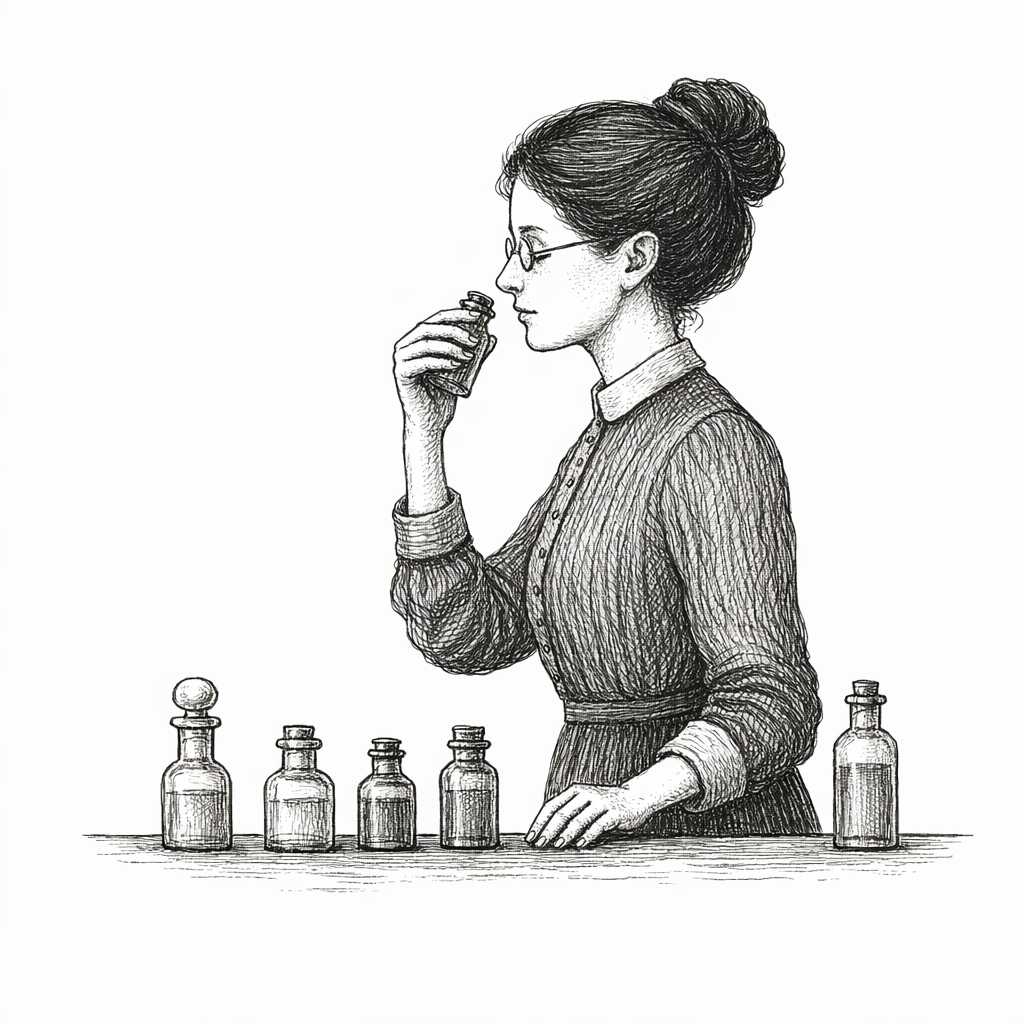
The label says fragrance-free.
The shower disagrees.
Fragrance-free means no added parfum compounds. It says nothing about the smell of surfactants, preservatives, or botanicals — all of which are detectable in hot water. The label describes an absence of one ingredient.
Many raw materials that smell faint or neutral at room temperature bloom significantly under steam. The product smelled fine in the shop. The shower is a different environment.
Sensory distress is usually caused by mismatch. A product that should be neutral but isn’t is harder to manage than one that is known to have a scent. Expectation is part of the load.
Tests eight fragrance-free shampoos at cold, lathered, and in-shower steam stages. Ranked by scent intrusion — not pleasantness. The aim is predictability.
This report covers intensity, unpredictability, and persistence of smell — not allergens. It is for people reacting to sensory overload, not diagnosis.

Why fragrance-free shampoos still smell — and what causes it
The smell is in the formula, not the perfume. Surfactants, fatty alcohols, preservatives, and botanical extracts all carry detectable odour compounds. At room temperature these may be faint or unnoticeable. At 40°C in a steam-filled bathroom, the same compounds can bloom significantly. The fragrance-free claim is accurate on its own terms. It is just a very narrow claim.
| Source of smell | What it smells like and when |
|---|---|
| Raw surfactants | A faint soap or detergent note — present in most shampoos regardless of fragrance status. Usually mild at cold, more detectable under steam. Sodium laureth sulfate and sodium lauryl sulfate both carry it; sulfate-free alternatives often less so. |
| Botanical extracts | The most unpredictable source. Plant-derived ingredients — aloe, chamomile, tea tree, nettle, wheat protein — can release strong warm, vegetal, or earthy notes under heat. Often the primary cause of overwhelm in products labelled “natural” and “fragrance-free”. |
| Preservatives | Phenoxyethanol, sodium benzoate, and similar preservatives contribute a mild chemical or antiseptic note. More detectable in products with higher water content. Usually a background note rather than the dominant smell. |
| Fatty components | PEG compounds and fatty alcohols can produce a faint waxy or glue-like odour under heat — noticeable in some formulas but absent in others depending on concentration and combination with other ingredients. |
 Scent intrusion — all tested products, hot water and steam conditions
Cleared
Tested cold, lathered, and in hot steam. Scent intrusion remained below threshold at all three stages.
Caution
Detectable under heat or steam. Whether this crosses a threshold depends on your particular sensitivity. Notes are on each card.
Flagged
Listed so they can be avoided without having to find out during a shower. There is no version of this result that qualifies as low-scent.

US availability
Most products in this batch are UK and European brands. Abena is not widely available in the USA. The closest US-available equivalent for smell-sensitive users is Vanicream Free & Clear — cleared on the scent investigation for most users, though it carries a mild chemical base note under heat. Faith in Nature ships internationally and is available on Amazon US. Both are linked on the relevant case file pages.