
Why some environments are hard, and what you can do about it
A guide to sensory stacking, the control hypothesis, and where to start.
Box of Small Things is here to help you take back control of your environment.
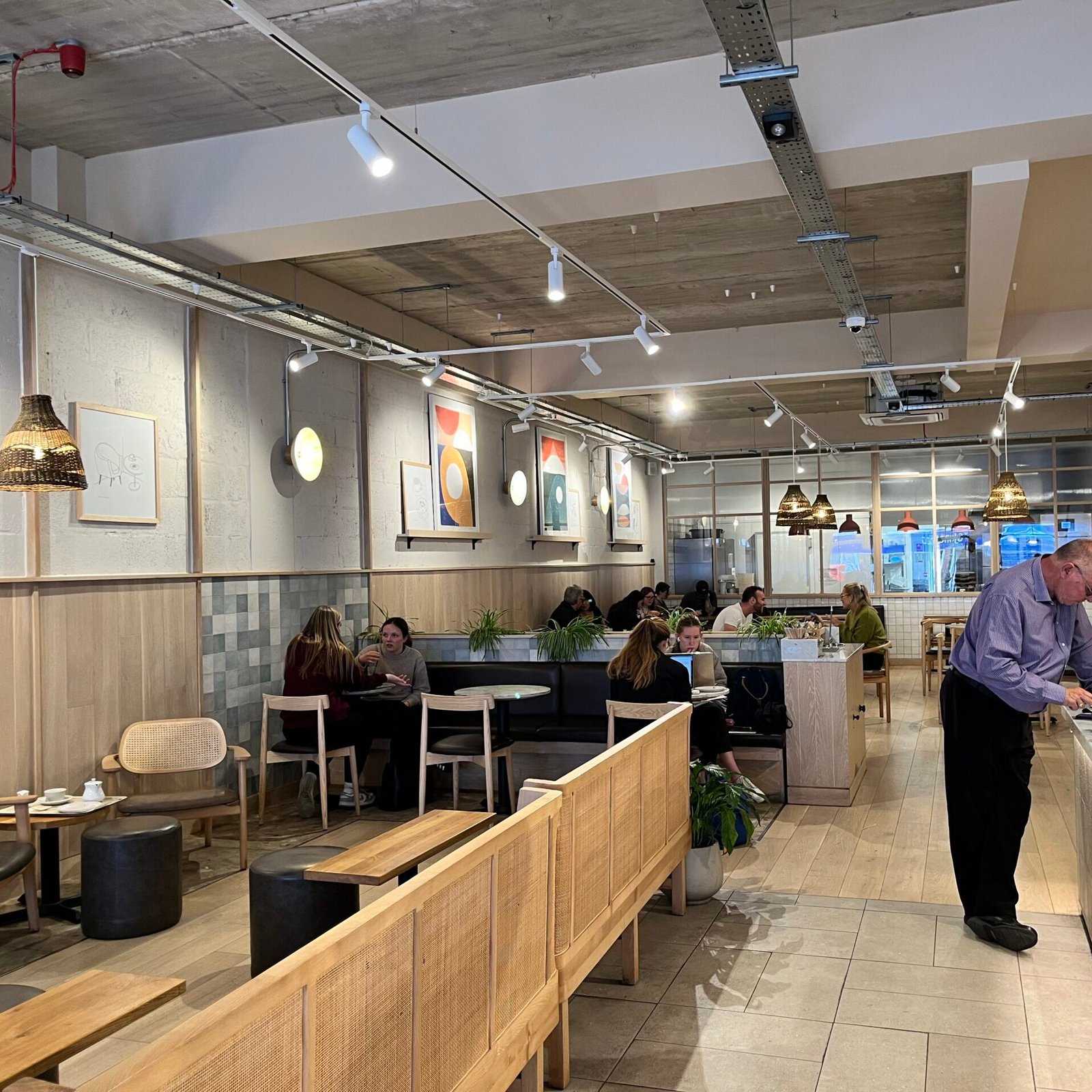
Most environments that are hard to be in aren't hard for one reason. Several things are happening at once, none of which you chose, and none of which you can turn off.
Researchers call this stacking. A supermarket isn’t just loud. It’s loud and bright and full of people and smells, all of which interact unpredictably as you move through it. Each one of these sensory inputs has a cost. When they stack, the stimuli compounds in a sensitive nervous system.
The question isn’t how to make difficult environments easy. It’s how to gain control by reducing the variables. If you can fix some sensory factors, the ones you can’t control become more manageable. Product selection is part of this. So is knowing which environments are the toughest for you to navigate and why.
Investigation
Stacked environments
These are some commonly challenging environments. Each is hard for a different combination of reasons. The tags show which sensory axes are in play.
Fluorescent lighting with flicker. Horribly persistent music. Irrelevant announcements at unpredictable intervals. Refrigerator hum. Scent zones shifting from bakery to cleaning products to fish counter as you move through. Proximity to strangers.
Perfume, food, wet coats in an enclosed space. Unavoidable physical proximity and contact. Filthy surfaces. Engine and brake noises. No control over stops, delays, or who sits next to you. The duration is uncertain at the point of boarding.
Duty-free fragrance counters that can’t be avoided and all-pervasive kerosene. Security queues with physical contact and removal of clothing. Fluorescent lighting throughout. Extended waiting in an enclosed space with no predictable end point. A sustained interoceptive load from anxiety that compounds every other input.
Multiple simultaneous conversations. HVAC hum. Colleagues’ food and perfume. Nowhere to look that doesn’t have movement in it. Colleagues staring and interrupting. Professionally difficult to use coping tools without drawing comment.
Unexpected physical contact and social performance requirement simultaneously. No clear signal that leaving is acceptable. Unpredictable people, foods, smells, noises.
High number of executive functioning tasks to work through. Dramatic body state changes: clothed to naked, dry to wet, hot to cold. Steam, squeaky clean hair, and product scent all together in an enclosed space.
A shampoo that passes at room temperature may fail entirely in a hot shower. This is the reason BOST tests fragrance-free shampoos in real heat and steam, not at ambient temperature.
Texture, temperature, scent, and the character of food in the mouth. Internal body signals about readiness and tolerance that don’t always arrive clearly or on time. Harder when already in sensory debt from earlier in the day.
Sound sensitivity heightens in the dark. Smells and textures can be intense when stuck in one place.
Reference
What the tags mean

Eight sensory axes. Each maps to a dimension used across BOST reviews. Knowing which axes affect you most is where product selection starts.
Sound that can’t be filtered or predicted. Background hum, sudden loud noises, specific frequencies, other people’s voices. The problem isn’t always volume, can be character too. It’s unpredictability and the inability to tune out. Includes misophonia: specific sounds triggering a strong aversive response beyond ordinary discomfort.
Smell that registers as invasive, often described as inside the head in a way other inputs aren’t. Synthetic fragrances are the most common trigger. Scent lingers and transfers: a product that seems fine in cold air may fail in a hot shower, and residue from hair can sit on a pillow for days.
The feel of something on skin or tongue: texture, friction, temperature, residue. Includes the anticipatory response to the sight of an unpleasant texture. Distinct from proprioception: tactile is surface contact with the external world. The squeak of a product rinsing. The specific friction of a fabric seam. The wrong temperature of water.
Fluorescent lighting, flicker, pattern overload, sudden changes in brightness, crowded visual fields. One of the most-reported difficulties in public spaces.
Physical pressure, the sense of where the body is in space, and the feeling of being unable to move freely. Disorientation. Entrapment, real or anticipated. Distinct from tactile (surface contact) and interoception (internal signals): proprioception is about the body’s position and the forces acting on it from outside. Relevant to earplug fit, canal pressure, and the sustained awareness of a foreign object in the ear.
Internally generated sensations of your own body: heartbeat, nausea, hunger, temperature regulation, bladder, pain. Distinct from both tactile (external surface) and proprioceptive (body position): interoception is the nervous system reading its own state. A product that builds pressure quietly for forty minutes and then becomes intolerable is an interoceptive failure mode.
The sensory experience of other people: being looked at, unpredictable behaviour, unexpected contact, and the fact that other people are compound sensory sources. A stranger in a lift produces noise, scent, tactile risk, and visual unpredictability simultaneously. People can initiate. They don’t follow a pattern.
Contamination sensitivity: the heightened response to shared surfaces, bodily contact residue, visible dirt or wear, and objects that have been inside or against someone else’s body. Distinct from general disgust and from tactile sensitivity. Hygiene responses are specifically about pathogen risk, real or perceived.
Start here
Current investigations
Start with the environment that costs you most. Not the most dramatic. The most frequent.
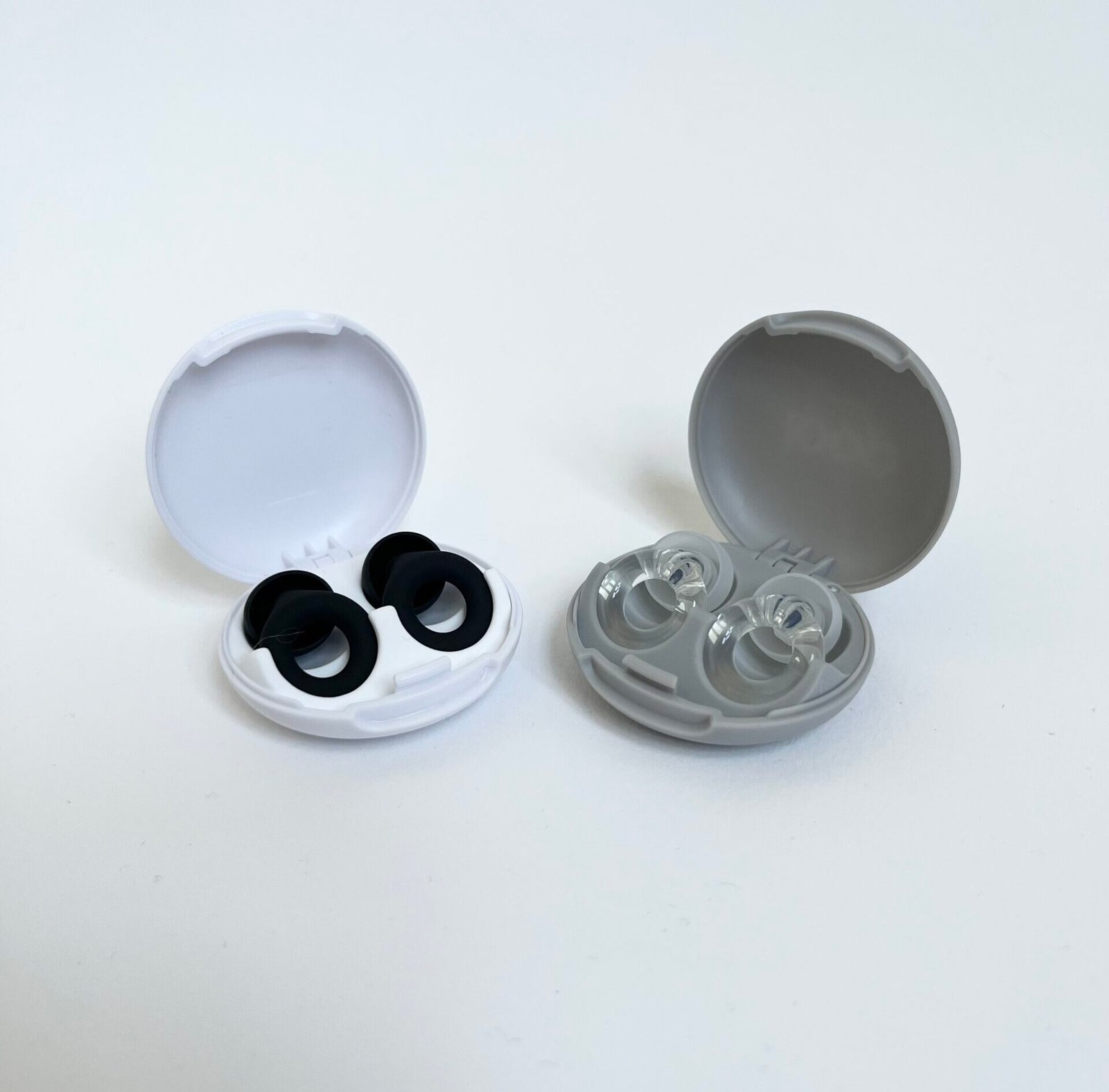
Investigation No. 2
Earplugs
Ten products tested across seven environments. Not just attenuation figures: pressure, occlusion, own-voice effect, and what they’re like to live with over time. If noise or crowd unpredictability is where your day breaks down, start here.
Earplug investigation →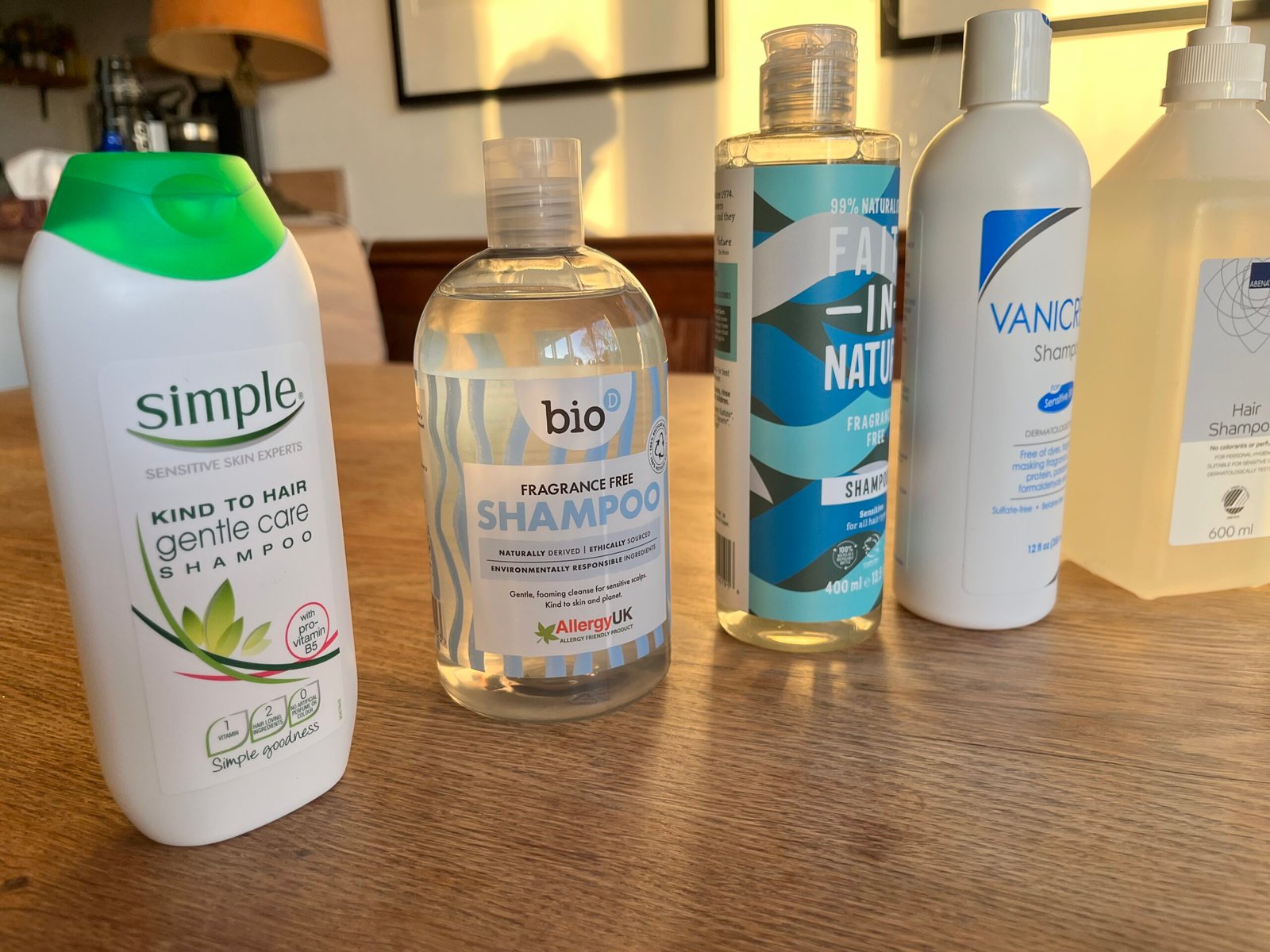
Investigation No. 1
Fragrance-free shampoos
Eight products tested in real heat and steam. If the bathroom is already a stacked environment, an unpredictable product scent makes it harder. This investigation tests what mainstream reviews don’t: smell at shower temperature, lingering on pillows, squeak on rinse.
Shampoo investigation →Findings
Field reports
Where a pattern appeared across multiple products, it gets its own report. These are findings, not recommendations.
Occlusion, pressure, and comfort in earplugs
Why sealing the ear canal amplifies bone-conducted sound. What this means for autistic adults. Why the effect builds rather than arriving all at once.
Squeak on rinse: which shampoos produce it and why
The friction sound and sensation that appears when hair is fully clean. Which products avoid it, and what avoiding it actually signals about the formula.
Low-foam shampoos: why lather volume changes the experience
High-foam products change how a shower sounds and feels. For some users this is the difference between a manageable wash and one that isn’t.
Fragrance-free shampoos tested in hot water
Products that pass the room-temperature smell test but release a chemical note under heat. Tested at shower temperature, not at the ambient.