
Testing Methodology: Fragrance‑Free Shampoo Reviews
A very specific question deserved some very specific tests
Methodology set out below
The Investigative Method
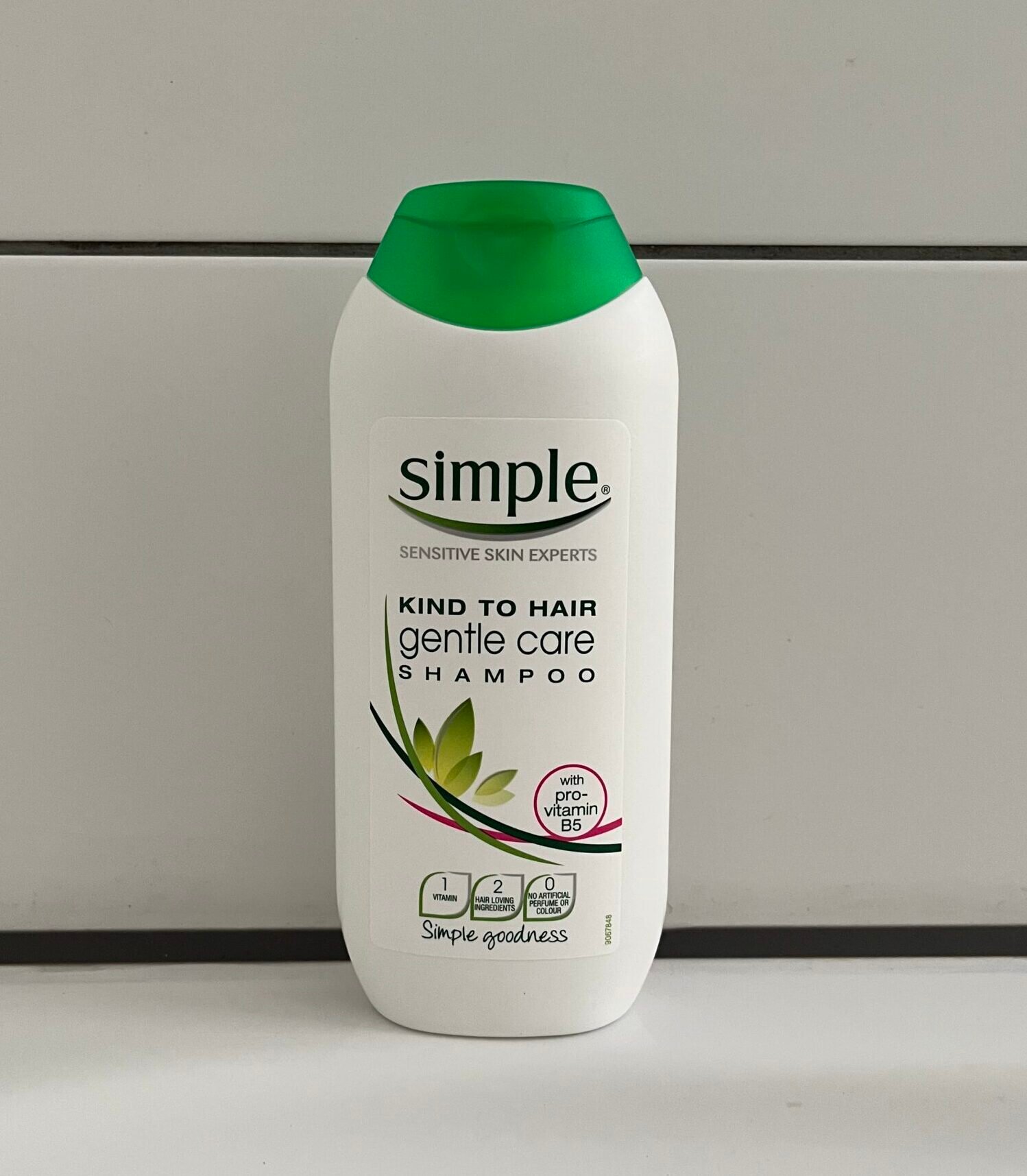
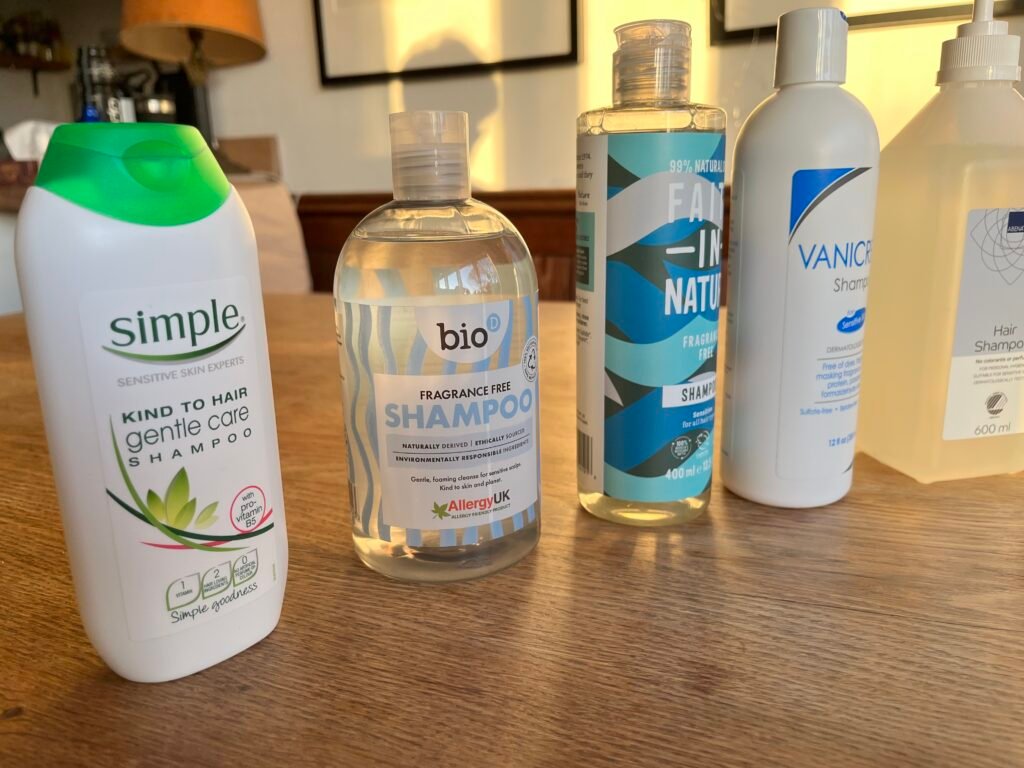
This page sets out how fragrance-free shampoos are tested on Box of Small Things.
All products are assessed against the same controls under the same conditions.
Testing prioritises the dimensions that matter to autistic and sensory-sensitive
adults: scent behaviour under heat, texture on contact, rinse characteristics,
and how products behave differently across conditions.
The methodology is designed for people who are sensitive to smell, texture, sound, and tactile feedback, including autistic and otherwise neurodivergent users, as well as people with sensitive skin or scalp conditions.
Controls & Conditions
Hair type
- Medium‑length men’s hair
- Straight
- Generally normal, occasionally tending towards dry
Water conditions
- Hard water: approximately 99 mg/L calcium (CaCO₃)
- pH tested 7 neutral
- Supplied from the chalk aquifer of the South Downs National Park, Sussex, England
Hard water significantly affects lather, residue, and rinse‑out behaviour. Because many people with sensory sensitivities find changes in texture, drag, and squeak particularly noticeable, all products are tested under the same hard‑water conditions. If you live in a soft water area you might encounter different results.
A note for US readers
All testing was conducted using hard water (approximately 99 mg/L calcium, sourced from the chalk aquifer of the South Downs, Sussex, England). Hard water affects lather volume, rinse feel, and the likelihood of squeaky-hair sensation after washing.
US water hardness varies significantly by region — from very soft (Pacific Northwest) to very hard (Texas, Arizona, Florida). If you are in a soft-water area, you may find lather performance and suds production is higher and rinse behaviour is smoother than reported here. The scent findings are not affected by water hardness and should transfer directly.
Jar Suds Test
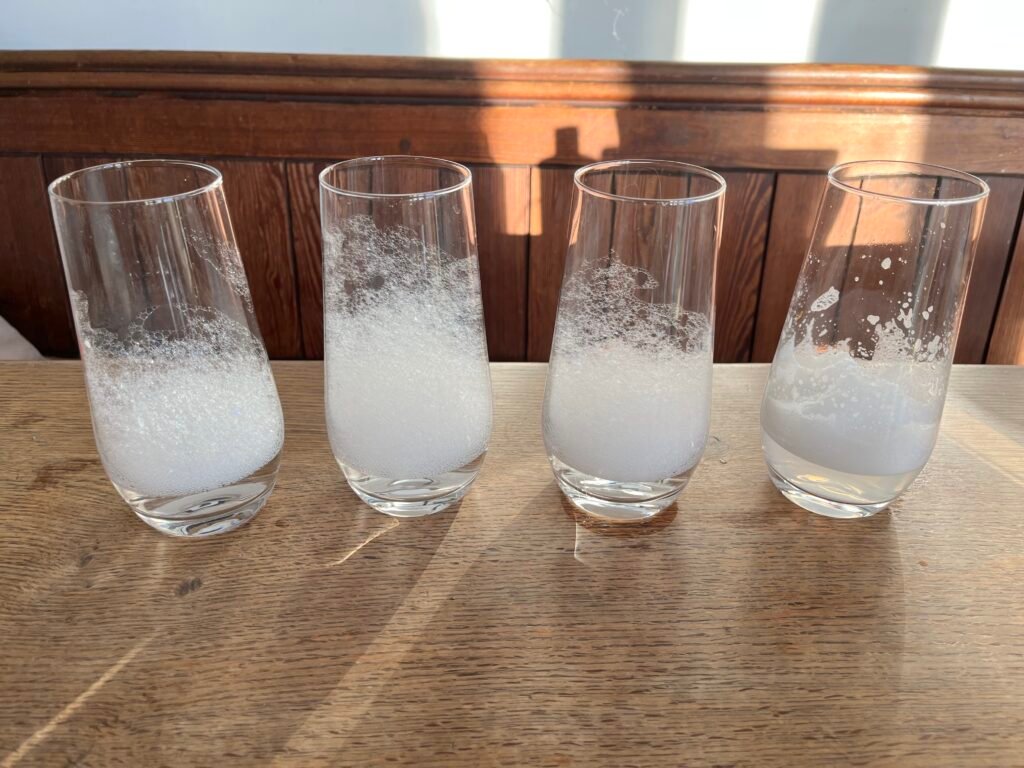
This test assesses how readily a shampoo produces foam and how stable that foam is, which can be important for people who are sensitive to excessive suds or different types of foaming lather.
- Shampoo diluted 1:10 in cold tap water
- Mixed in a clear glass jar
- Shaken vigorously for 15 seconds
- Foam level rated on a scale of 1 (very low suds) to 5 (high suds)
- Suds observed at 1 minute and again at 8 minutes
This helps distinguish between fast‑forming foam, dense foam, and quickly collapsing foam, all of which affect use.
Cold Scent Test
This test checks the baseline odour of the product before heat is applied.
- Bottle opened and smelled directly
- Bottle gently pressed to release air (or cap unscrewed fully)
This step is particularly relevant for autistic and sensory-sensitive users —
some products marketed as fragrance-free still carry detectable raw-ingredient odours
at room temperature.
Hot Bowl Scent Test
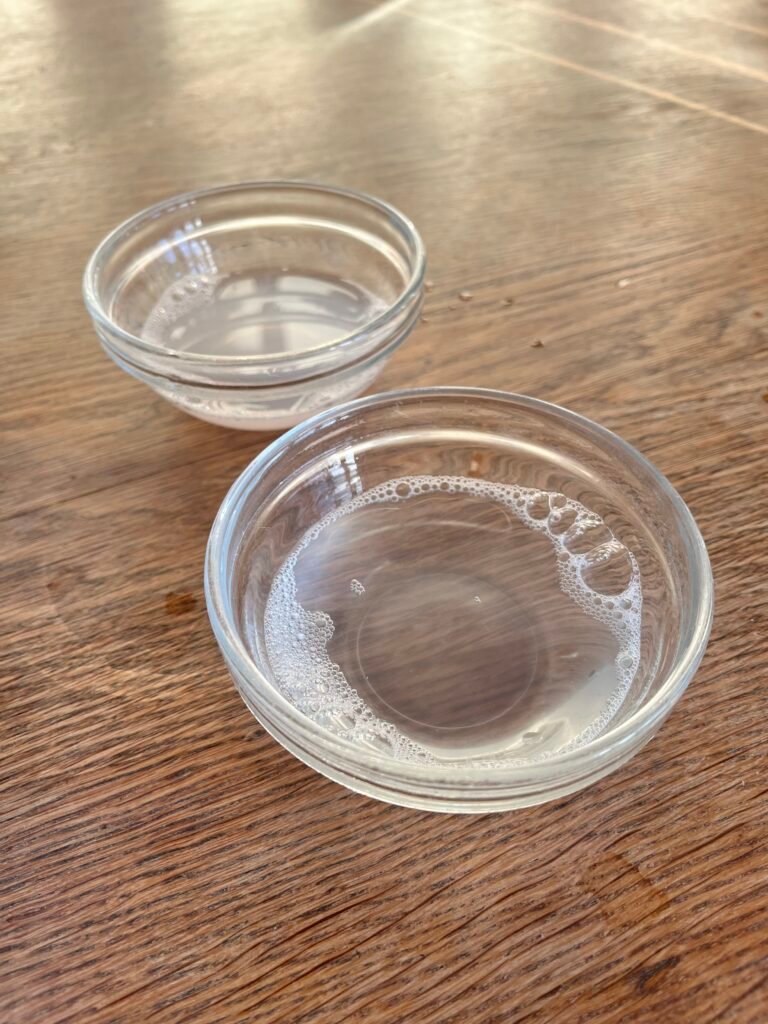
This test evaluates how scent changes when exposed to heat and steam, which often amplifies odour.
- Shampoo mixed in a bowl with hot tap water
- Water temperature: approximately 3 minutes off the boil
- Aroma released in steam vapour observed
Some ingredients release stronger scent under heat and steam — a product that
smells faint from the bottle may become significantly more noticeable in a hot shower.
pH Test
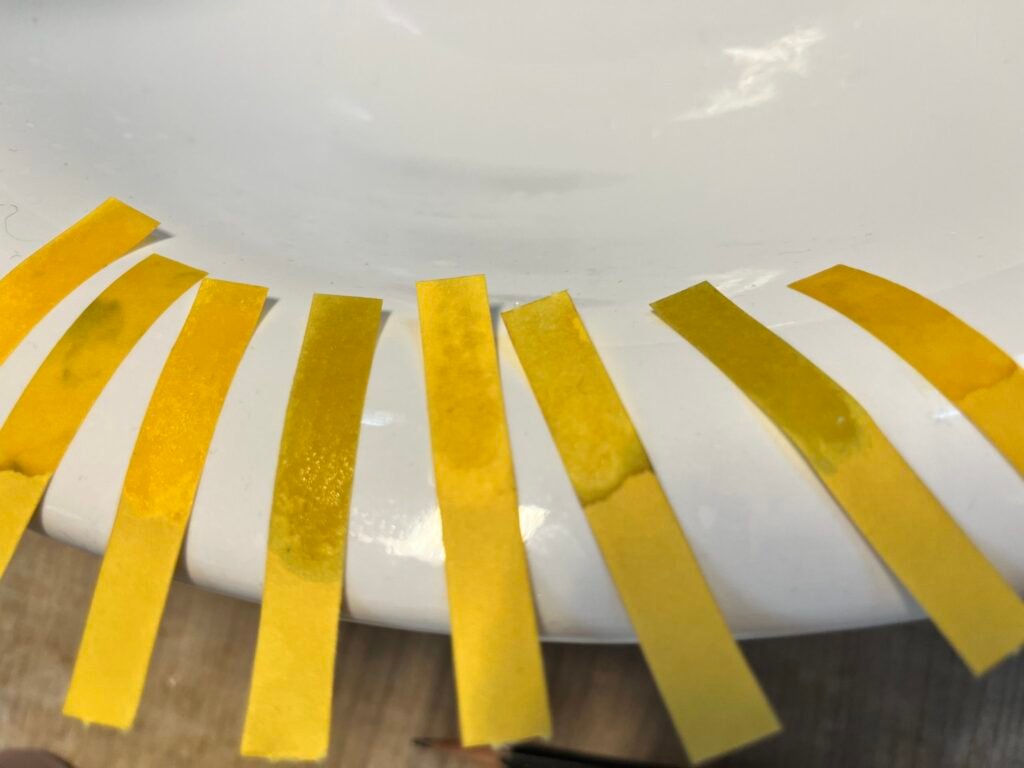
pH provides context for scalp compatibility. Lower-pH shampoos (around 5–6) sit closer to the scalp’s natural acidity and tend to produce less squeak and fewer harsh sensations on rinse. Higher-pH formulas (approaching 7) can cause the cuticle to lift, increasing friction and drag — particularly noticeable for sensory-sensitive users.
pH is measured here using litmus paper on diluted shampoo. Results are approximate and consistent across products — useful for comparison, not clinical diagnosis.
Shampoos marketed as “pH balanced” or “pH neutral” do not automatically mean scalp-friendly: neutral pH (7) is chemically neutral but not skin-neutral. The scalp sits around pH 4.5–5.5.
Hand Lather Test
This test assesses how the shampoo behaves when worked manually.
- One normal portion applied to the palm
- Rubbed until a lather forms
- Rinsed and observed
Notes are taken on texture, stickiness, creaminess, foam density, and ease of rinse. These factors are particularly relevant for users who are sensitive to sticky, slimy, or squeaky sensations on the skin.
Shower Test
The main real‑world performance test.
- Shampoo used over three consecutive days
- Applied to fully wet hair under hot shower water
- Observations recorded for:
- Lather development
- Scalp sensation
- Ease of rinsing
- Hair feel during and immediately after washing
Special attention is paid to squeaky‑clean sensations, which many sensory‑sensitive and ND users find uncomfortable or distressing.
Conditioner control
A consistent conditioner is used across all shower tests: TRESemmé Moisture Rich. This product is widely available in both the UK and US. Its scent and texture profile are well-established, providing a stable baseline when assessing shampoo performance without introducing unfamiliar sensory variables.
Method Rationale
This methodology is designed to prioritise:
- Sensory experience (smell, texture, sound, tactile feedback)
- Neurodivergent and sensory‑sensitive needs
- Repeatability
- Transparency
- Real‑world relevance
Products are not tested under idealised laboratory conditions, but under the same everyday constraints many people experience at home.
Scope & Limitations
- Results reflect personal sensory response under hard‑water conditions
- Individual experiences may vary depending on hair type, scalp condition, water softness, frequency of use, and sensory profile
- This testing does not replace medical or dermatological advice
All fragrance-free shampoo reviews→
Investigation No. 2 uses a similar but expanded methodology. See how earplugs are tested →